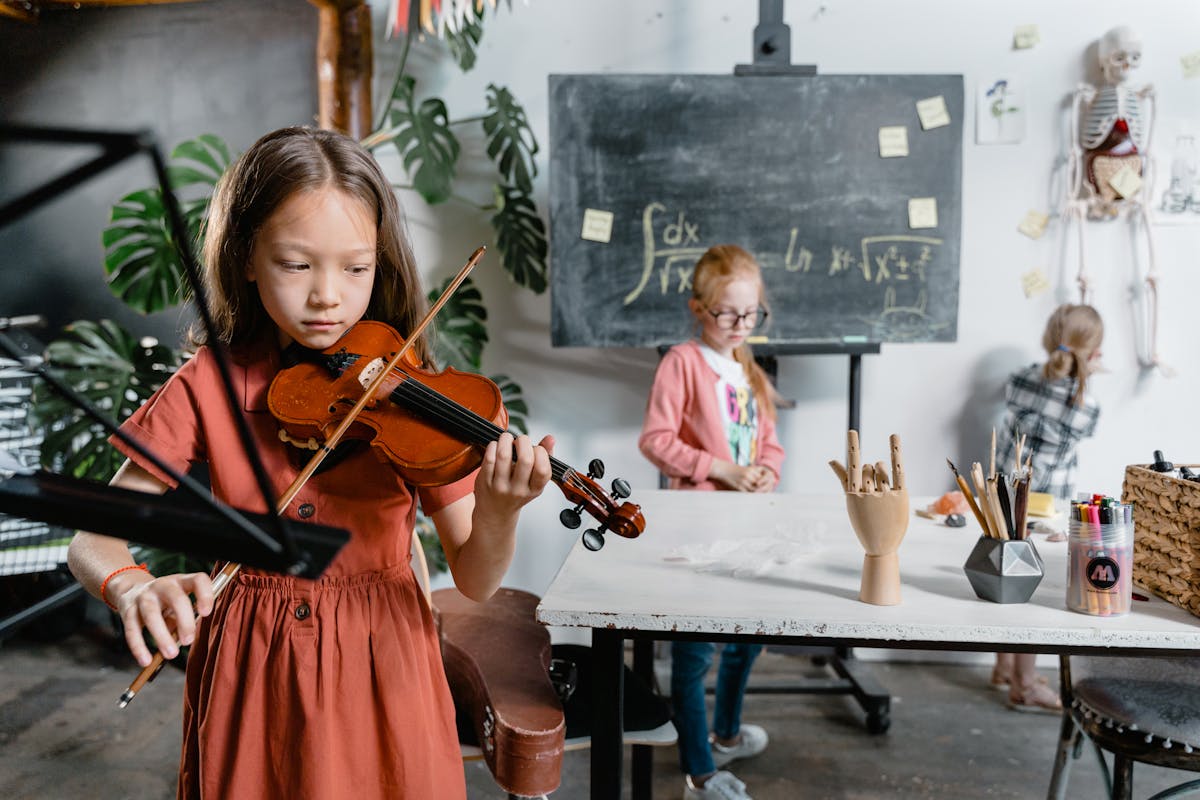
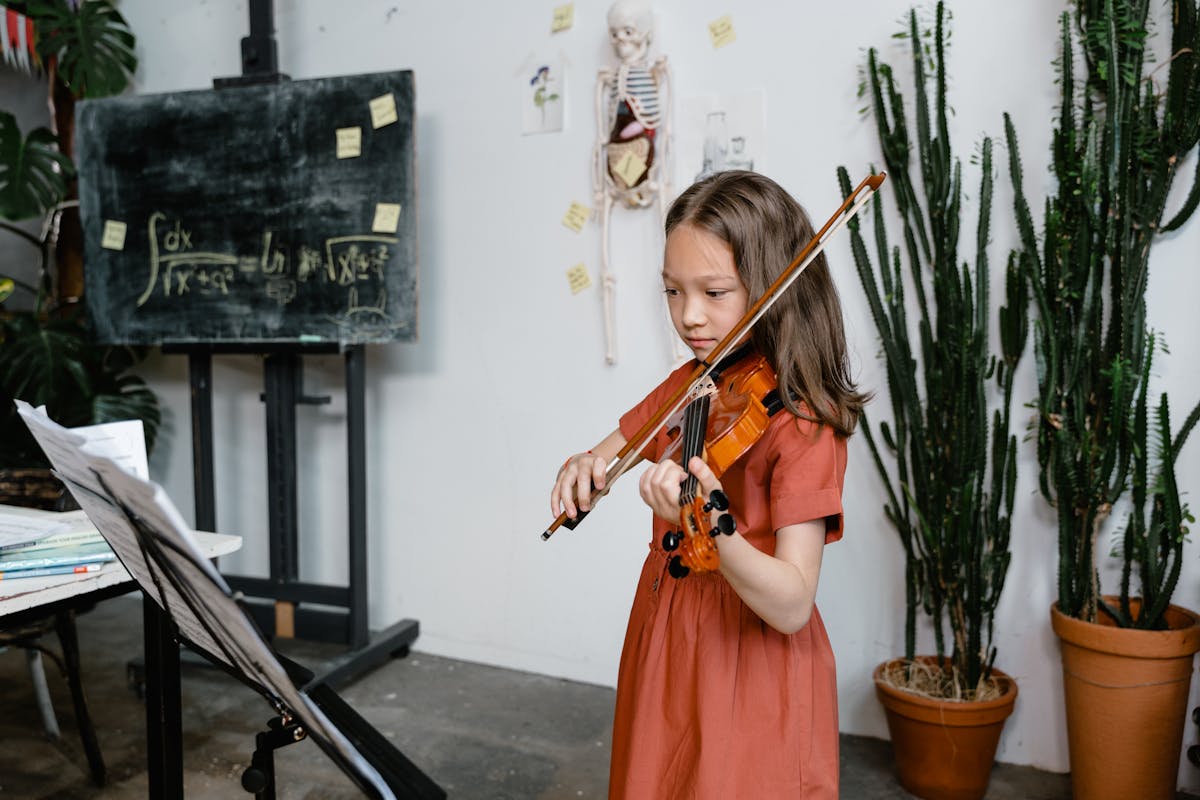
Preparing for Your Child's First Music Lesson
A practical guide for parents on what to expect from your child's first instrumental lesson — what to bring, how to find a teacher, and how to set up for success at home.
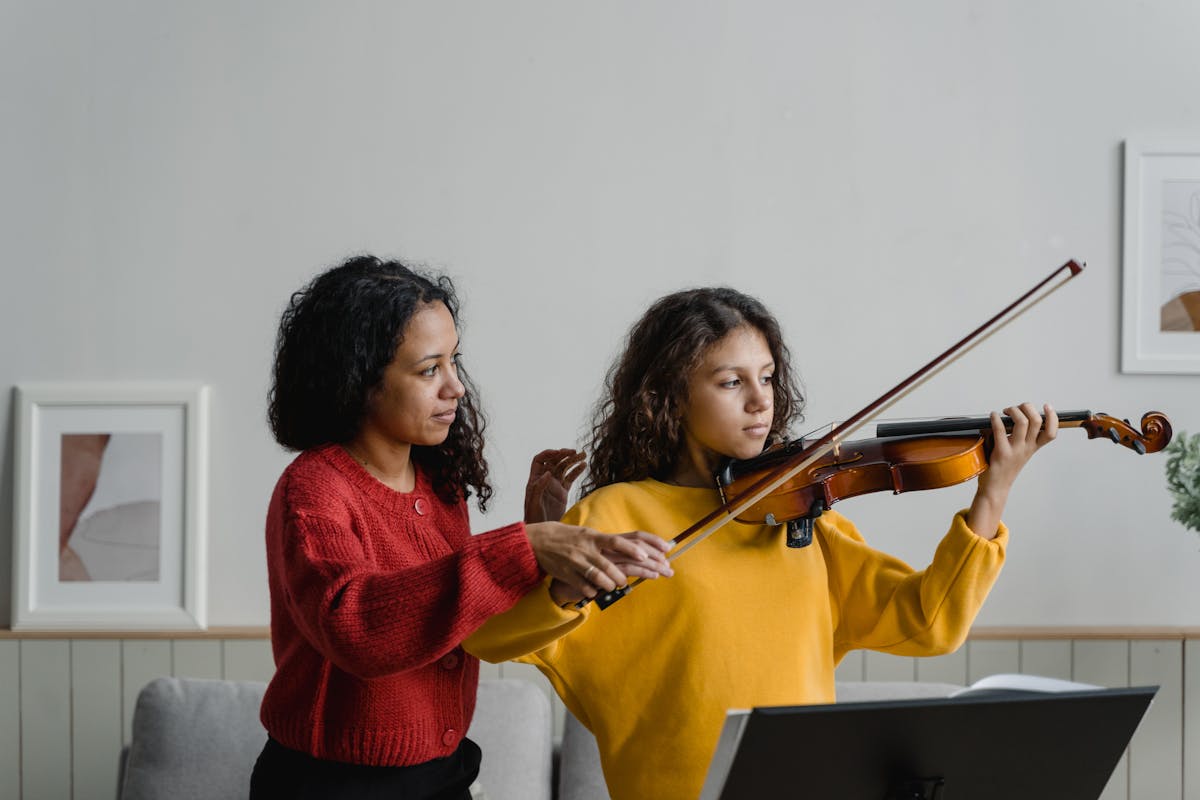
The First Lesson: What to Expect
Your child's first music lesson is a big moment — and it's completely normal to feel a mixture of excitement and uncertainty, both for them and for you. Will they enjoy it? Will the teacher be a good fit? Will you need to remortgage the house for accessories?
Relax. First lessons are designed to be welcoming, low-pressure introductions. No teacher expects a beginner to walk in knowing anything, and there's very little you need to do to prepare beyond turning up with the right equipment and a positive attitude.
Here's everything you need to know to make that first lesson a success.
Finding the Right Teacher
If you haven't already found a teacher, this is your first step — and it's arguably the most important decision in your child's early musical journey. A great teacher makes all the difference, particularly for beginners.
Where to Look
- Your child's school. Many New Zealand schools offer itinerant music lessons during school hours, provided by external tutors. Ask the school office or music department what's available.
- Word of mouth. Ask other parents, particularly those whose children are already learning. Personal recommendations are often the most reliable way to find a good teacher.
- Music schools and academies. Most cities and larger towns have private music schools that offer lessons across a range of instruments. These can be a good option, especially if you want the convenience of a single provider.
- Online directories. The Music Education New Zealand Aotearoa (MENZA) website and local community Facebook groups can be useful resources.
- Your local music shop. Many music shops have noticeboards or teacher lists, and staff can often recommend teachers they know personally.
What to Look For
- Experience with beginners. Teaching a beginner requires a specific skill set — patience, clear communication, the ability to make lessons fun, and a knack for breaking complex skills into manageable steps. A brilliant performer isn't necessarily a good beginner teacher, and vice versa.
- Rapport with children. Your child needs to feel comfortable and safe. If possible, arrange an introductory lesson or trial to see how the teacher interacts with your child before committing to regular lessons.
- Qualifications and experience. Formal qualifications (music degrees, teaching diplomas) are a useful indicator but not the only one. Some excellent teachers are self-taught musicians with decades of teaching experience. Look at the whole picture.
- Practical considerations. Location, availability, lesson length, and cost all matter. A brilliant teacher on the other side of town is less useful than a good teacher five minutes from home if the commute makes lessons stressful.
What to Bring to the First Lesson
Here's your checklist for lesson day:
- The instrument. In its case, assembled correctly (or ready to assemble — the teacher will help). If you're renting from Prelude, your instrument arrives ready to play with everything your child needs included.
- Essential accessories. Depending on the instrument:
- String instruments: rosin, a soft cloth
- Woodwind: two or three reeds (if applicable), a swab, cork grease
- Brass: valve oil, a mouthpiece
- Piano/keyboard: nothing extra needed (the teacher will have a piano)
- A notebook and pencil. The teacher may want to write down practice instructions, and having a dedicated music notebook from day one is a great habit.
- A positive attitude. This sounds trite, but it genuinely matters. If your child arrives feeling that music lessons are fun and exciting rather than a chore, they'll engage better and learn faster.
You probably don't need to bring a music book for the first lesson. Most teachers have their own preferred beginner materials and will let you know what to purchase after the first session.
What Happens in a First Lesson
Every teacher runs first lessons differently, but here's a general sense of what to expect:
- Introductions and getting comfortable. The teacher will chat with your child, learn about their musical interests, and establish a friendly rapport.
- Instrument basics. How to hold the instrument, how to produce a sound, how to sit or stand correctly. For wind and brass instruments, there may be some initial exercises focusing on breathing and embouchure before any notes are played.
- First sounds. Your child will produce their first sounds on the instrument. These will not be beautiful — and that's absolutely fine. Every professional musician started with the same wobbly, squeaky, uncertain first notes.
- Simple exercises. The teacher might introduce one or two notes and a simple rhythm exercise. The goal is for your child to leave the lesson having achieved something tangible.
- Practice instructions. The teacher will explain what to practise at home before the next lesson. For a complete beginner, this is usually very simple — perhaps five to ten minutes a day of the exercises covered in the lesson.
Should You Stay or Leave?
This depends on your child's age and the teacher's preference. For younger children (under seven or eight), most teachers welcome a parent in the room, at least for the first few lessons. Your presence provides comfort and means you'll understand the practice instructions. For older children, sitting outside is usually appropriate — they tend to focus better without a parent watching.
Ask the teacher what they prefer. There's no wrong answer here.
Setting Expectations: A Note for Parents
Here are some honest truths about the early stages of learning an instrument that will serve you well:
- It will sound rough at first. The first few weeks (sometimes months) of most instruments are not pleasant listening. This is normal. Your child is learning to coordinate breath, fingers, posture, and reading all at once. The sound improves — sometimes quite suddenly.
- Progress isn't linear. Some weeks your child will leap forward. Other weeks they'll seem stuck. There might even be periods where they sound worse than the week before. This is all part of the learning process. Persistence through the plateaus is what separates children who flourish from those who give up.
- Comparison is unhelpful. Your child's best friend might be progressing faster. That's fine — every child learns at their own pace. What matters is that your child is engaging, enjoying, and gradually improving.
- Exams are optional. Music exams (ABRSM, Trinity, NZMEB) are wonderful motivators for some children and stressful burdens for others. There's no obligation to sit exams. Discuss this with the teacher when the time comes — they'll know whether your child would benefit from the structure or not.
Setting Up a Practice Space at Home
You don't need a dedicated music room, but a little thought about where your child practises makes a real difference.
- A consistent spot. Having a regular practice area — even just a corner of the living room — helps build routine. The instrument and music stand live there, and when it's practice time, your child goes to their spot.
- A music stand. Practising with sheet music propped against a wall or balanced on a table encourages bad posture. A proper music stand is inexpensive and makes a surprising difference to how comfortably your child plays.
- Good lighting. Your child needs to read sheet music clearly. Make sure the practice area is well lit, ideally with a light source behind or beside them (not in their eyes).
- Minimal distractions. Away from the television, ideally away from siblings (though this isn't always possible in a busy household). Some children practise better with the door closed; others like knowing someone is nearby listening.
- A comfortable chair. For seated instruments (cello, guitar, piano), a straight-backed chair at the right height matters. Dining chairs work well. Sofas and beanbags do not.
For more on building effective practice habits, see our guide on encouraging your child to practise.
Getting Started
The first lesson is just the beginning of what can be an incredibly rewarding journey for your child. The most important things you can do as a parent are simple: be encouraging, be patient, and make sure they have a quality instrument that's properly set up and the right size for them.
If you still need an instrument, browse our catalogue to find the right one for your child. If you're unsure what size or type they need, have a look at our guides on choosing the right instrument or get in touch — we're always happy to help.