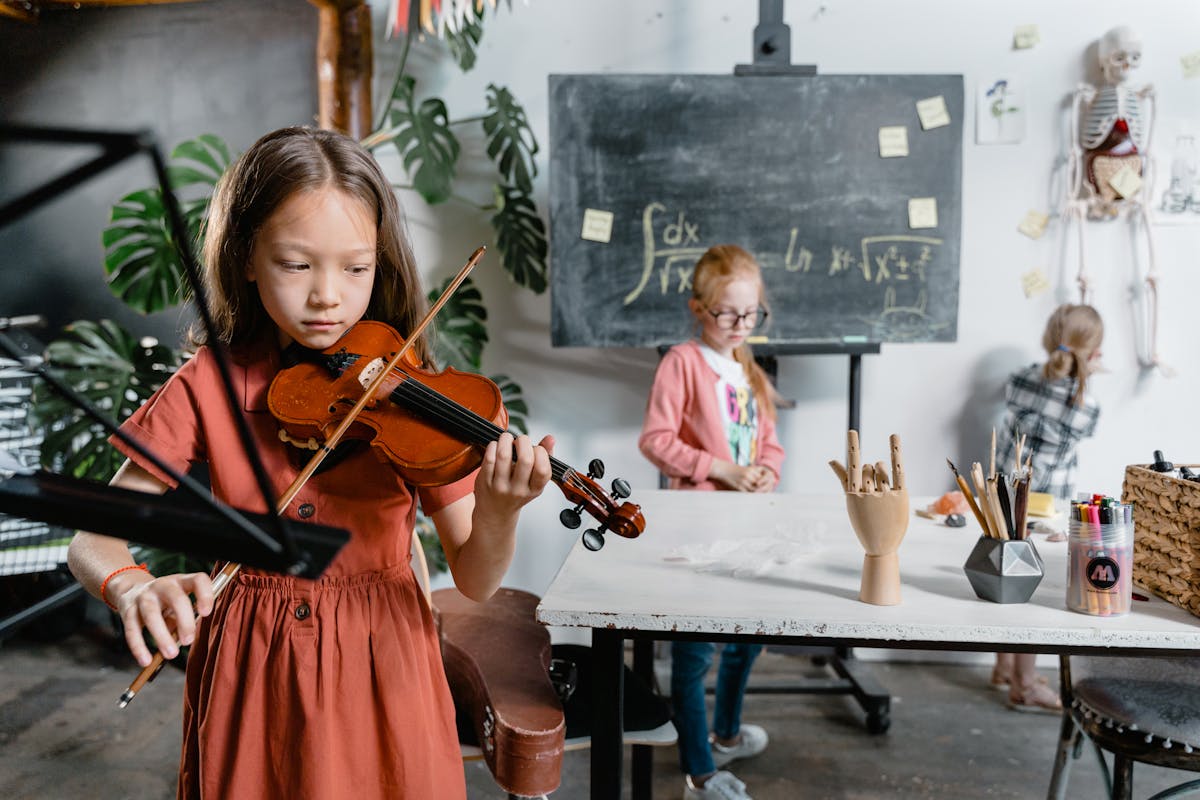
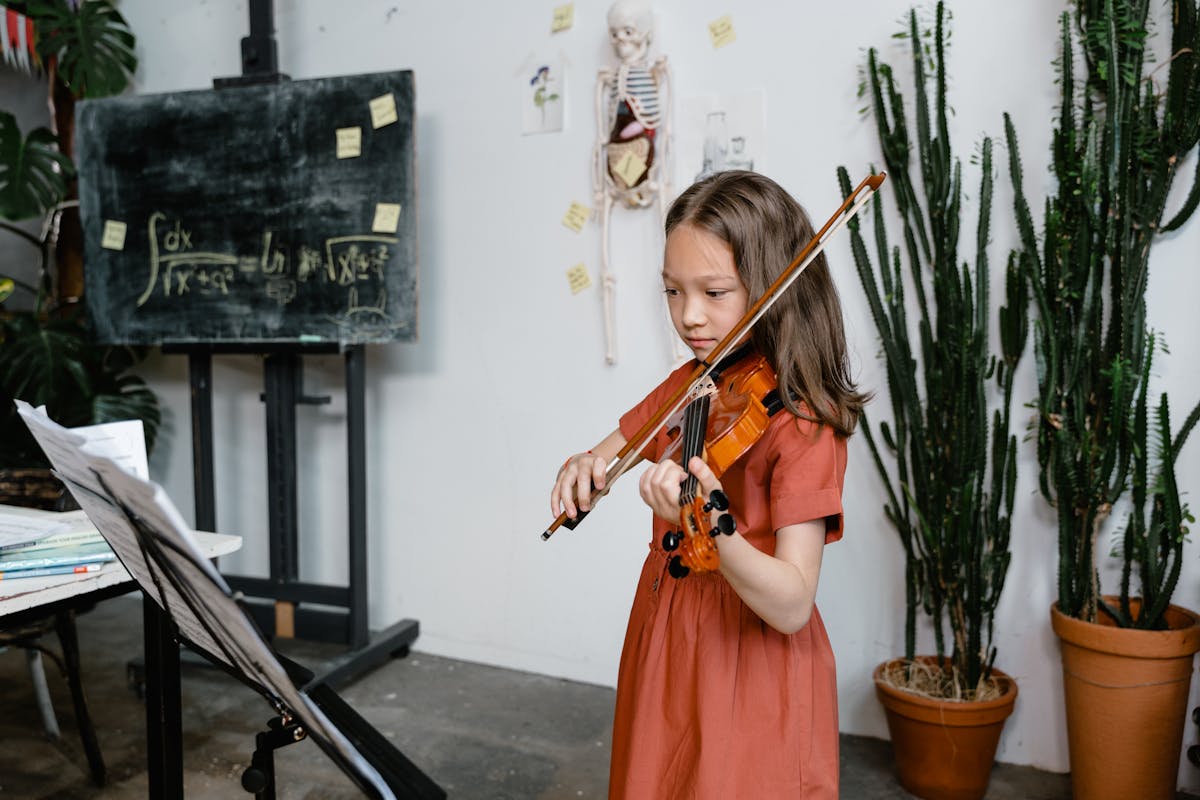
How to Encourage Your Child to Practise Their Instrument
Practical strategies for helping your child build a consistent practice habit — from routine building and creating the right environment to dealing with the dreaded "I want to quit."
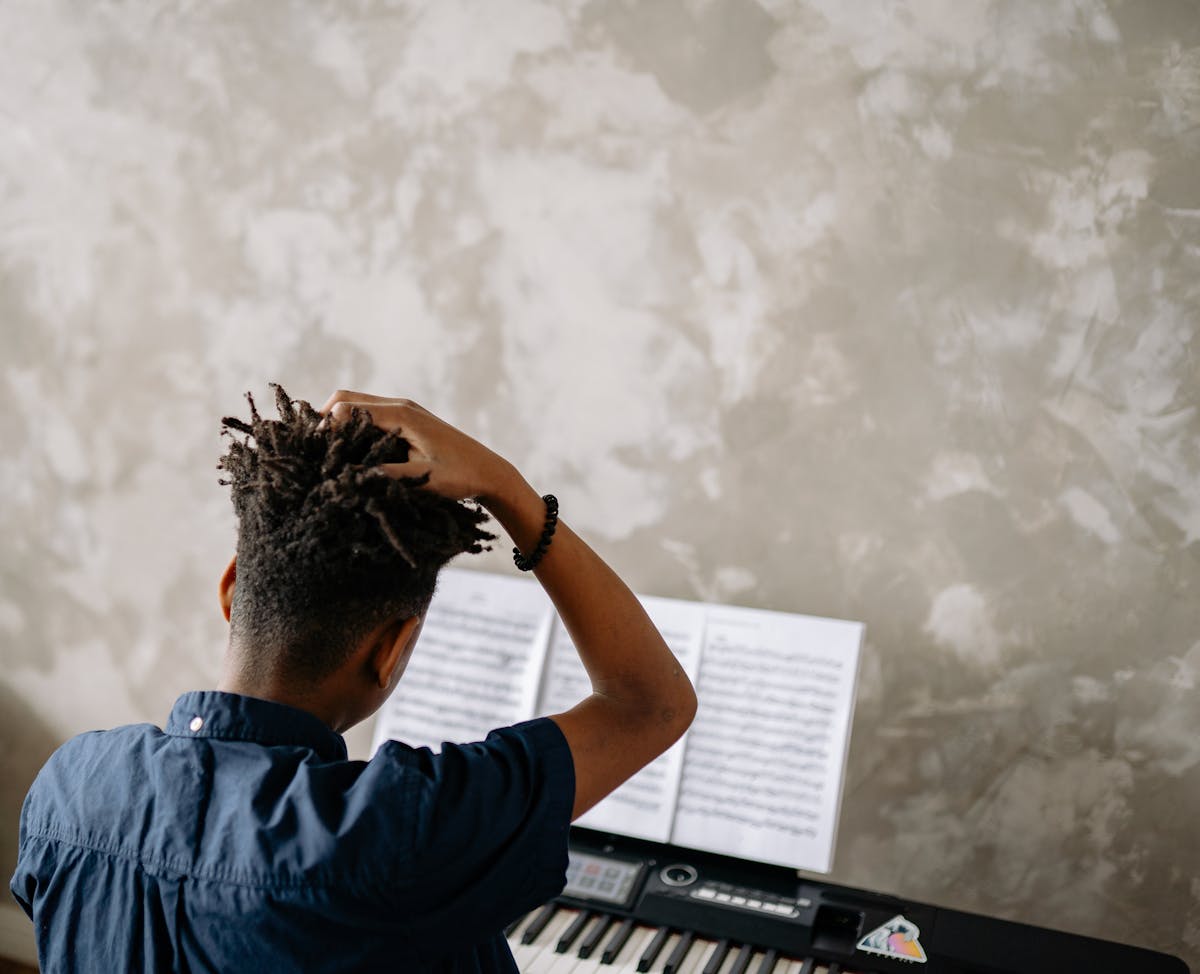
The Practice Problem
Let's be honest: getting a child to practise their instrument is one of the most common struggles families face in music education. Your child was desperate to learn the trumpet. You rented the instrument, found a teacher, arranged lessons — and now, three weeks in, getting them to practise feels like pulling teeth.
Sound familiar? You're not alone. In eight years of teaching piano, I've seen this pattern hundreds of times. The initial excitement fades, practice feels like a chore, and parents are caught between encouraging their child and not wanting to turn music into a battle.
The good news is that practical, proven strategies exist. Practice doesn't have to be a fight — but it does require thought and structure, especially early on.
Building a Practice Routine
Consistency matters far more than duration. A child who practises for ten minutes every day will progress significantly faster than one who does forty-five minutes once a week. The brain needs regular repetition to build the neural pathways that underpin musical skills — and for children, short, frequent sessions are far more effective than long, infrequent ones.
How to Establish the Habit
- Attach practice to an existing routine. The easiest way to build a new habit is to link it to something your child already does every day. "After afternoon tea, before screen time" is a common anchor that works for many families. The specific time matters less than the consistency.
- Start short. For a complete beginner, five to ten minutes is plenty. As they progress and their concentration develops, practice sessions will naturally lengthen. Pushing a six-year-old to practise for thirty minutes will accomplish nothing except making them dread it.
- Use a timer. There's something psychologically powerful about a timer. It gives practice a defined end point, which is reassuring for children who feel like it might go on forever. A kitchen timer, a phone timer, or even a sand timer all work. When the timer goes off, practice is done — no arguments, no "just five more minutes."
- Same time, same place, every day. Routine thrives on predictability. If your child practises at the same time in the same spot each day, it becomes automatic rather than requiring a negotiation every afternoon.
Creating the Right Practice Environment
Where your child practises matters more than you might think. A few simple adjustments can make the difference between reluctant, distracted practice and focused, productive sessions.
- A dedicated practice spot. This doesn't need to be a separate room — a corner of the living room works perfectly. The key is that the instrument, music stand, and practice materials are set up and ready to go. If your child has to dig the instrument out of a cupboard, find the music stand, and set everything up before they can even start, that's a barrier to getting started.
- Minimise distractions. Screens off. Siblings occupied elsewhere if possible. Some children focus better with the door closed; others feel isolated and prefer it open. Ask your child what they prefer.
- Make it comfortable. Good lighting, a suitable chair (for seated instruments), and a music stand at the right height. Practising in dim light with sheet music balanced on a bookshelf is a recipe for frustration.
For more on setting up a practice space, see our guide on preparing for your child's first music lesson.
Parental Involvement: The Balancing Act
This is the part where I've seen the most variation in families — and where getting the balance right matters. Too much involvement feels like nagging. Too little feels like indifference. The sweet spot is in the middle, and it shifts as your child gets older.
For Younger Children (Ages 4–8)
Young children need active parental support during practice. This doesn't mean you need to be a musician — it means being present, encouraging, and helping them follow their teacher's instructions.
- Sit with them during practice (or nearby where they can see you).
- Help them remember what the teacher asked them to work on.
- Celebrate small wins — a note played clearly, a scale completed without mistakes, a piece that sounds better than yesterday.
- Resist the urge to correct constantly. If they're making a mistake, note it gently and move on. Overwhelming a young child with corrections kills motivation.
For Older Children (Ages 9–12)
At this stage, children can begin managing their own practice, but they still benefit from structure and encouragement.
- Help them plan what to practise each session (their teacher should provide this guidance).
- Be available for questions but let them work independently.
- Show interest — ask them to play something for you occasionally. Genuine interest from a parent is one of the most powerful motivators there is.
For Teenagers
By this age, if a teenager is still playing, they likely have genuine internal motivation. Your role shifts to logistical support (driving to lessons, funding the instrument) and showing appreciation for their music. The less you push, the better — teenagers who feel controlled will rebel, and music should never be a power struggle.
Making Practice Fun
Practice doesn't have to be dreary repetition. Here are some approaches that work well:
- Let them choose some of the music. Alongside whatever their teacher has set, let your child play music they actually enjoy. A child who loves a particular song will practise it willingly. Teachers can often arrange simplified versions of popular music for their students.
- Use apps and tools. Metronome apps, tuning apps, and backing track apps can make practice feel more like playing and less like work.
- Perform for family. A mini-concert for grandparents (in person or over video call) gives your child a goal to work toward and an audience to perform for. Even a quick "play me what you learned this week" at dinner gives practice a purpose.
- Play together. If anyone in the family plays an instrument — or is willing to learn — playing together is one of the most enjoyable ways to practise. Even something as simple as one person clapping a rhythm while the other plays builds ensemble skills and connection.
- Set achievable goals. Working toward something specific — a school concert, an ABRSM or Trinity exam, a particular piece they want to master — gives practice direction and purpose. Break large goals into smaller weekly targets.
Dealing with "I Want to Quit"
This is the moment every parent of a young musician dreads. Your child comes home and announces they want to stop. Here's how to handle it.
First, Don't Panic
Almost every child who learns an instrument goes through a phase of wanting to quit. It's so common that teachers expect it. It usually hits somewhere between three months and a year in — right when the initial novelty has worn off and the real work of improving begins.
Understand Why
Before reacting, try to understand what's behind the request:
- It's become difficult. They've hit a plateau and progress feels slow. This is normal and temporary — but it doesn't feel that way to a child.
- They're bored. The music they're playing isn't interesting to them. A conversation with their teacher about repertoire can work wonders.
- Social factors. Their friends don't play, or they're being teased, or they'd rather be at football practice. These are real pressures for children.
- The wrong instrument. Sometimes a child genuinely isn't suited to their instrument but would thrive on something different. A clarinettist who's struggling might love saxophone. A reluctant violinist might take to cello.
- A bad day. Sometimes "I want to quit" just means "I had a bad lesson" or "I'm tired." Give it a week before taking it at face value.
The Response
My advice, based on years of teaching: encourage them to continue for a defined period — say, until the end of term or until after the next concert. This gives them a concrete endpoint that doesn't feel like "forever," and in most cases the desire to quit passes once they break through the difficult patch. If they still want to stop after that, let them. Forcing a child to play an instrument they hate benefits no one.
And remember — if you're renting the instrument, there's no financial penalty for stopping. That's one of the biggest advantages of hiring rather than buying. If the time comes to return the instrument, you can do so without guilt or loss.
The Long View
Learning an instrument is a long game. The children who stick with it don't do so because practice was always fun or because they never wanted to quit. They stick with it because they had supportive parents, a good teacher, an instrument that was a pleasure to play, and an environment that made practice a normal, manageable part of their day.
You don't need to be a musician to give your child all of those things. You just need to be present, patient, and encouraging. The rest takes care of itself.
If you're looking for the right instrument to support your child's journey, browse our catalogue — a quality instrument that's properly set up makes practice more enjoyable from the very first day.