Understanding School Music Programmes in New Zealand: A Parent's Guide
How does school music work in New Zealand? This guide explains itinerant teachers, school bands and orchestras, and how to make the most of what your child's school offers.
Music Education in NZ Schools: The Big Picture
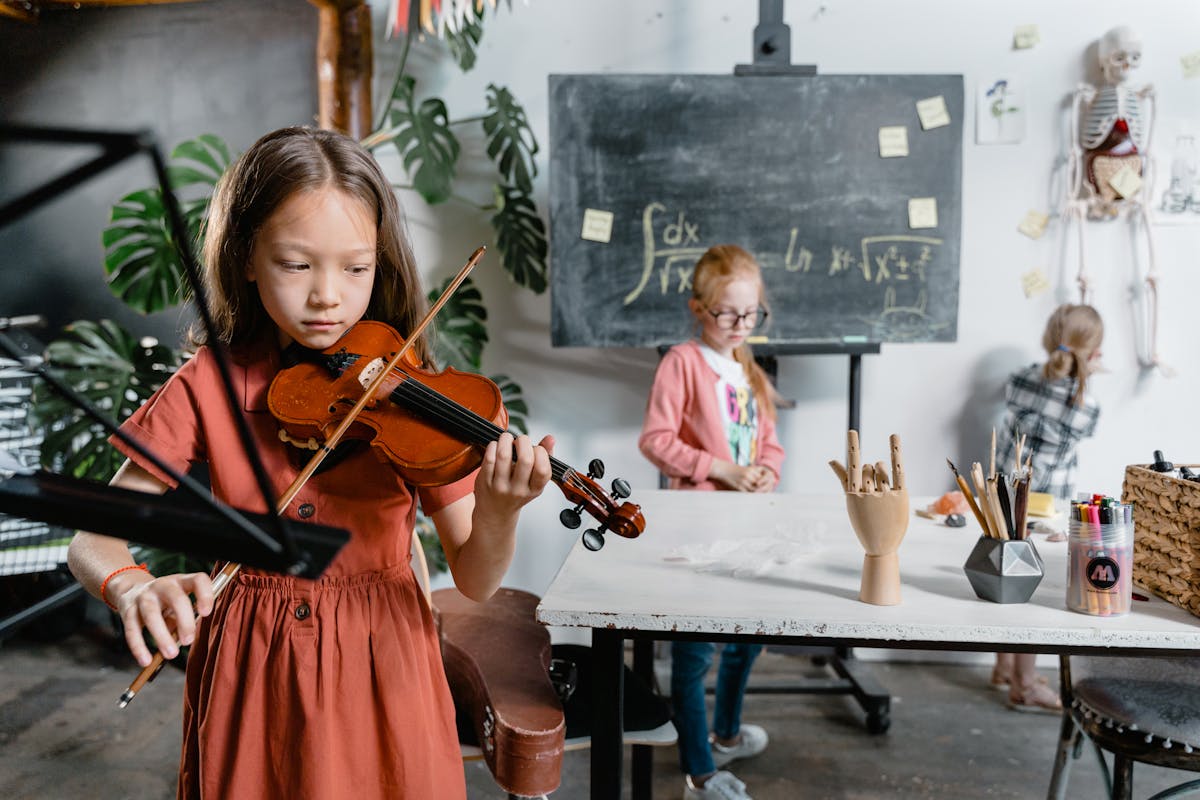
Music is part of the New Zealand Curriculum under the Arts learning area, which means all state and integrated schools are expected to include music in their teaching. In practice, though, what that looks like varies enormously from school to school. Some schools have thriving music departments with concert bands, orchestras, choirs, and itinerant lesson programmes. Others do the basics — classroom singing, recorder in Year 3, and not a great deal more.
As a parent, understanding how the system works helps you make informed decisions about your child's musical education and know what to ask for. This guide walks through how school music typically operates across primary, intermediate, and secondary levels in New Zealand.
Primary School Music (Years 1–6)
At the primary level, music is usually delivered by the classroom teacher as part of the general curriculum. The depth and quality depend heavily on the individual teacher's confidence with music. Some teachers are passionate musicians who bring music into their classroom daily. Others, understandably, focus on areas where they feel more confident.
What You Might Find at Primary Level
- Classroom singing and rhythm activities — Most primary classrooms include some singing, clapping games, and basic rhythm work. This is the foundation of musical learning and shouldn't be underestimated.
- Recorder programmes — Many schools introduce the recorder around Year 2 or 3, sometimes as a whole-class activity. This gives every child a taste of playing an instrument, regardless of their family's ability to fund private lessons.
- School choir — Most primary schools have a choir, often open to all interested students. Choir is a wonderful way for children to develop musical skills in a social, low-pressure environment.
- Itinerant music lessons — Some schools offer instrumental lessons during school hours, taught by visiting specialist teachers (known as itinerant or peripatetic teachers). These lessons are typically in small groups or occasionally one-to-one, and families usually pay a fee on top of the school's subsidy.
- Concert band or string group — Larger or well-resourced primary schools may run a junior band or string ensemble, usually starting around Year 5 or 6. This is often the point where children first need their own instrument.
What to Ask Your Child's Primary School
- Does the school offer any instrumental lessons through itinerant teachers? Which instruments?
- Is there a school band, orchestra, or ensemble? What year level can children join?
- Does the school participate in regional music festivals or competitions?
- Are there any instruments the school owns that students can borrow, or do families need to provide their own?
Intermediate School Music (Years 7–8)
The intermediate years are often where school music really takes off. Many intermediate schools have dedicated music teachers (rather than relying on classroom teachers) and established ensemble programmes. This is a prime time for children to start a new instrument, especially band instruments.
What You Might Find at Intermediate Level
- Concert band — The school concert band is a central feature of many intermediate schools. It typically includes woodwind (flute, clarinet, saxophone), brass (trumpet, trombone, French horn, tuba), and percussion. If your child is interested in joining the band, this is a natural and exciting entry point.
- String orchestra — Less common than concert bands at the intermediate level, but some schools maintain string programmes, particularly those with strong feeder relationships from primary schools with string groups.
- Rock band and contemporary groups — Some intermediates offer guitar, bass, drum kit, and vocal groups for students interested in popular music styles.
- Itinerant lessons — Itinerant teachers are common at the intermediate level, offering small-group lessons in a range of instruments. This is often the most affordable way to access quality instrumental tuition.
- Performance opportunities — Intermediate schools often participate in regional music festivals, inter-school competitions, and community events. These performance opportunities are a powerful motivator for young musicians.
If your child is about to start intermediate and is interested in music, it's worth contacting the school before the year begins to find out what's available and whether there are particular instruments in demand. Schools are often short on certain instruments — lower brass (trombone, tuba), viola, double bass, and bassoon are perennially under-represented, and a child willing to play one of these will often find themselves very welcome.
Secondary School Music (Years 9–13)
At the secondary level, music becomes an optional subject within the curriculum, typically available as an NCEA subject from Year 11. Secondary schools usually have the most established and diverse music programmes.
What You Might Find at Secondary Level
- Multiple ensembles — Concert band, jazz band, orchestra, chamber groups, choirs, barbershop groups, and contemporary bands are all common at larger secondary schools.
- NCEA Music — Music can be taken as an NCEA subject at Levels 1, 2, and 3. It covers performance, composition, music studies (analysis and history), and aural skills. Students can work toward University Entrance through Music.
- Private and group tuition — Most secondary schools facilitate instrumental lessons during school hours through itinerant teachers. Some larger schools employ their own full-time instrumental tutors.
- Music scholarships — Some secondary schools offer music scholarships or awards for talented musicians. These can include fee assistance, free instrumental tuition, or access to additional performance opportunities.
- External examinations — Many secondary school musicians work toward graded exams through ABRSM, Trinity College London, or NZMEB alongside their school music. These qualifications are internationally recognised and can support university applications both in New Zealand and overseas.
Itinerant Music Teachers: How They Work
Itinerant teachers are a cornerstone of instrumental music education in New Zealand. They're specialist musicians who travel between schools, teaching students in small groups (typically two to four students) or occasionally one-to-one. Here's what parents should know:
- Cost: Itinerant lessons are usually subsidised by the school, with families paying the remainder. Costs vary but are typically lower than private lessons outside school. Some schools absorb the full cost; others charge families a term fee.
- Scheduling: Lessons happen during school hours, with students rotating out of different classes each week so they don't always miss the same subject. This is standard practice and generally well-managed by schools.
- Instruments covered: The range depends on what the school has arranged. Common instruments include violin, flute, clarinet, trumpet, and guitar, but some schools offer a much wider range.
- Your child will need an instrument: Itinerant teachers teach the skills; families provide the instrument. This is where renting makes particular sense — your child gets a quality instrument at a manageable cost, and if they decide to switch instruments, you're not left with a purchase to sell.
Making the Most of School Music
Regardless of what your child's school offers, here are some practical ways to support their musical journey:
- Start early enough to be ready for band. If the school band starts in Year 5 or 6, your child will benefit from having at least a term or two of lessons before joining. Starting lessons in Year 4 or early Year 5 puts them in a good position.
- Supplement school provision if needed. If the school's music programme is limited, private lessons outside school can fill the gap. Even one lesson per week makes a significant difference.
- Attend school concerts and performances. Your presence matters. It shows your child that their musical efforts are valued, and it supports the school's music programme more broadly.
- Encourage ensemble playing. Playing with others develops musicianship in ways that solo practice cannot. If the school offers ensembles, encourage your child to participate — even if they feel they're "not good enough." (They are.)
- Consider exam pathways. Working toward ABRSM, Trinity, or NZMEB grades gives students structured goals and a recognised measure of achievement. Many itinerant teachers prepare students for these exams as part of their lessons.
What If the School Doesn't Offer Much?
Not every New Zealand school has a strong music programme, and that's a reality many families face — particularly in smaller or more rural communities. If your child's school doesn't offer what you're looking for, there are still good options:
- Community music groups — Many towns have community bands, orchestras, and choirs that welcome young players. These can provide the ensemble experience that the school may lack.
- Private tuition — A good private teacher, even just once a week, can provide everything your child needs to progress. The Music Education Council of New Zealand (MENZA) and local music teacher associations can help you find qualified teachers in your area.
- Regional youth orchestras and bands — Most regions in New Zealand have youth orchestras or bands that draw members from across multiple schools. These are typically auditioned, but many have entry-level groups for newer players.
Whatever your school's music provision looks like, the most important thing is that your child has access to a quality instrument and regular tuition. Browse our instrument catalogue to see what's available, or get in touch if you'd like help figuring out the best path for your child.