NCEA Music: What Instrument Does Your Child Need?
A practical guide for NZ parents navigating NCEA Music — which instruments work for performance standards, whether your child needs their own, and how to set them up for success from Year 11 through to Level 3.
What Is NCEA Music?
NCEA — the National Certificate of Educational Achievement — is New Zealand's main secondary school qualification, and Music is one of the subjects your child can take from Year 11 (Level 1) through to Year 13 (Level 3). It's a broad subject that covers performance, composition, and music studies (which includes listening, analysis, and music history).
For most families, the part that matters practically is performance. This is where your child performs on their chosen instrument (or voice) and submits recorded performances to NZQA for external assessment. It carries significant credits — 4 at Level 1, 6 at Level 2 — and it's the standard that typically drives the need for an instrument at home.
The other strands — composition and music studies — are assessed through a mix of internal and external standards and don't require a specific instrument, though having one certainly helps with composition work.
Does My Child Need Their Own Instrument?
The honest answer: it depends on your school, but in most cases, yes.
Some schools have a pool of instruments they can lend to students. This is more common with larger, more expensive instruments — tubas, double basses, drum kits, and sometimes cellos. If your child plays one of these, it's worth asking the music department what's available before you commit to renting.
But for the majority of NCEA Music students, having your own instrument at home is essential. Here's why: the performance standards require a level of preparation that simply can't be achieved with 30 minutes of practice during school hours. Your child needs to be practising regularly at home, working through their pieces, building muscle memory, and refining their performance. That means having an instrument available every evening and weekend.
Even if the school can provide an instrument during the day, relying on shared access creates problems. Limited practice rooms, timetable clashes, and the simple reality that other students need the same instrument all add up. Students who have their own instrument at home consistently outperform those who don't — not because they're more talented, but because they can practise more.
If your child already owns an instrument, you're sorted. If they've been renting one for lessons or primary school band, continuing that rental through NCEA makes straightforward sense. And if they're starting fresh, now is the time to get set up. You can browse our full catalogue to see what's available.
Which Instruments Work for NCEA Performance?
Students choose their instrument at the start of the year, and they're assessed on it for the entire level. The most common NCEA performance instruments are:
- Piano/keyboard — Consistently one of the most popular choices. Schools usually have pianos available, but home practice on a proper weighted-key digital piano is important.
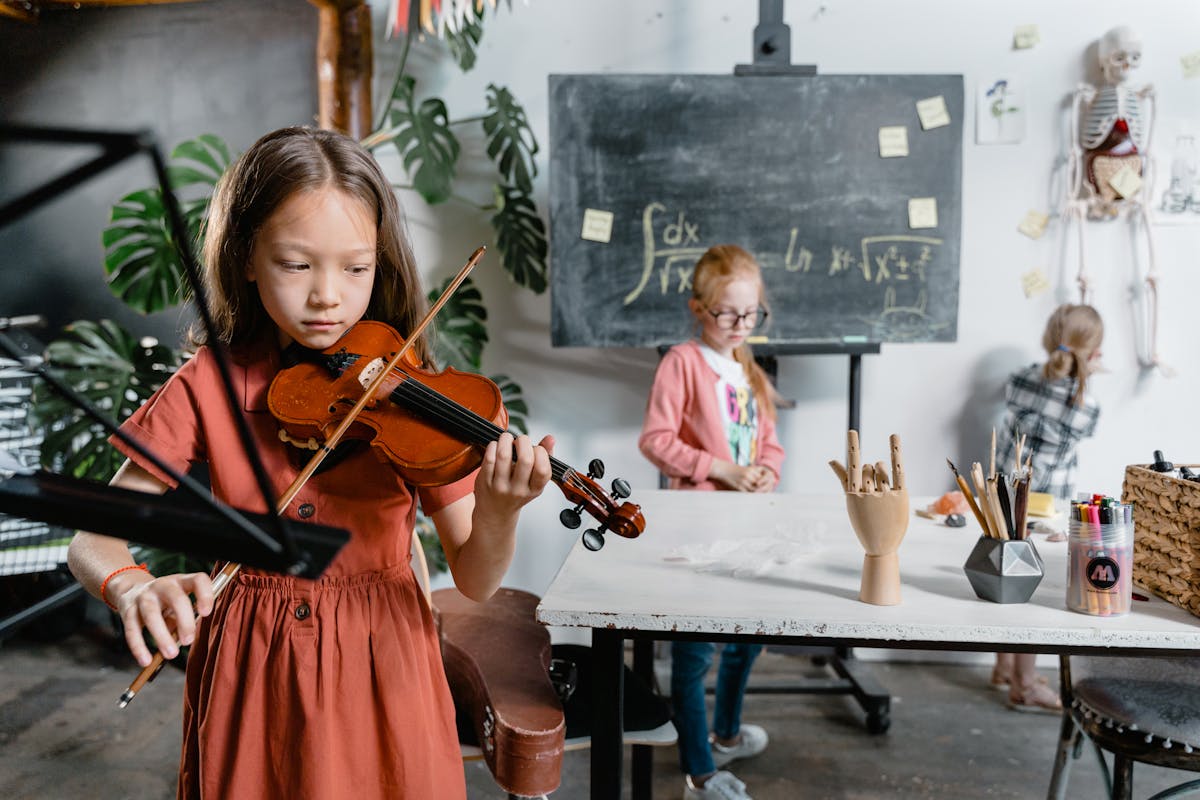
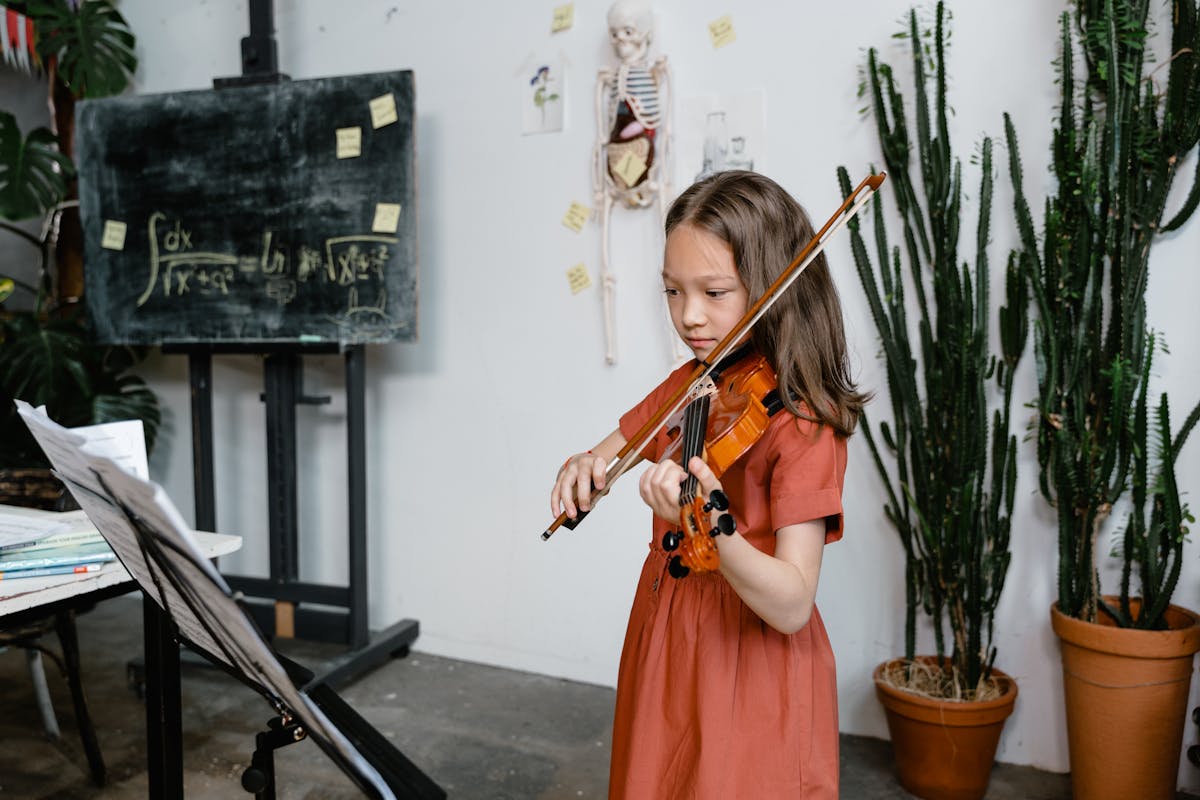
- Violin and cello — Popular with students who've come through school orchestras. Violins and cellos are common at all three NCEA levels.
- Flute and clarinet — Mainstays of school concert bands. Both translate well to solo NCEA performance. See our flute and clarinet ranges.
- Saxophone — Very popular, especially alto sax. Works across classical, jazz, and contemporary repertoire.
- Trumpet and trombone — Strong choices for students coming from brass band or concert band backgrounds. See our trumpet range.
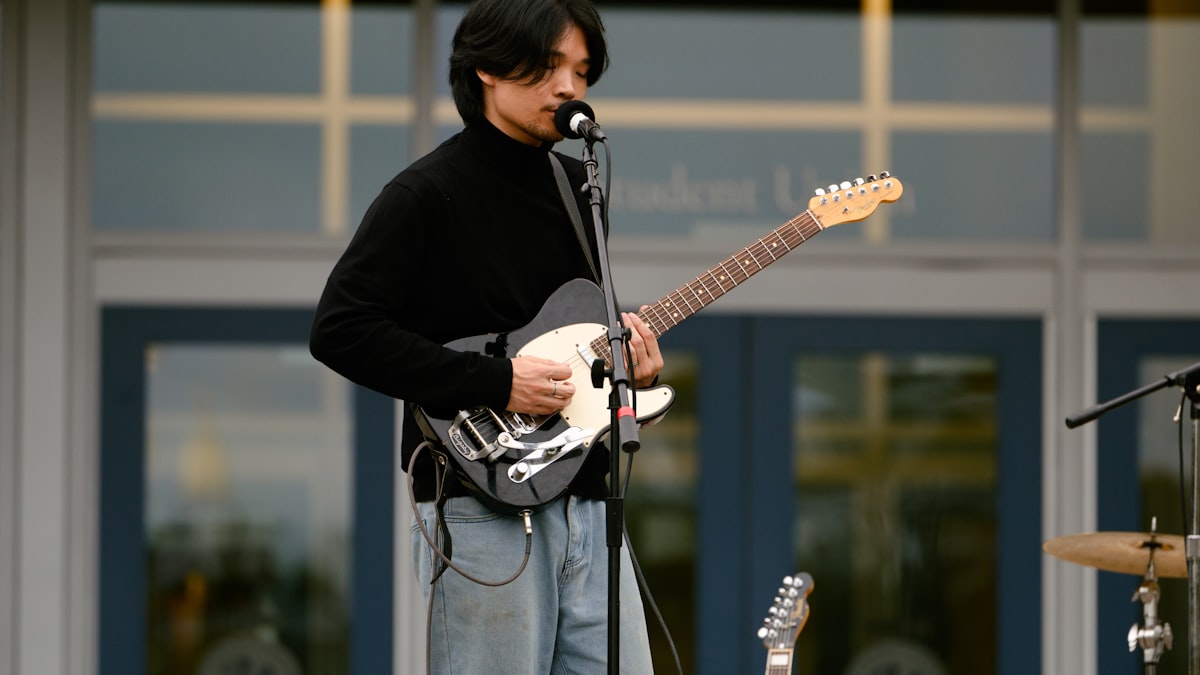
- Guitar — Both classical and electric guitar are accepted. Classical guitar has a well-established solo repertoire that assessors know well. See our guitar range.
- Voice — Singing is a fully valid performance instrument for NCEA. No rental required, though students will need accompaniment tracks or a pianist.
- Drums/percussion — Accepted, though the repertoire choices need more thought. A practice kit at home is genuinely necessary.
One thing worth knowing: assessors expect to see repertoire that's appropriate to the level. At Level 1, the pieces should be "substantial" — not simple beginner tunes. By Level 2 and 3, the technical and musical demands increase significantly. Your child's teacher and their school music department will guide repertoire selection, but the instrument itself needs to be capable of producing the sound quality expected at each level.
Starting NCEA Music Without Prior Experience
Can your child pick up a brand-new instrument in Year 11 and take NCEA Music? Technically, yes. Realistically, it's hard — and you should go in with open eyes.
The Level 1 performance standard (AS 1.1) requires students to "perform two substantial pieces of music as a featured soloist." That word "substantial" is doing a lot of work. These aren't beginner pieces. A student starting from scratch in February has roughly seven to eight months before their performance recording needs to be submitted. That's a very tight timeline to go from holding the instrument for the first time to performing at the expected standard.
That said, some instruments are more forgiving than others for a late start:
- Voice — The most accessible option for a beginner. Your child already has the instrument; they just need training in technique, breath control, and musicianship.
- Guitar — A motivated student with regular lessons can reach a reasonable Level 1 standard within a year, particularly with well-chosen repertoire.
- Drums/percussion — Rhythm often comes naturally, and there are achievable pieces for relative beginners.
For orchestral instruments like violin, cello, flute, or clarinet, starting from zero in Year 11 is genuinely difficult. These instruments require significant time to develop basic tone production, technique, and musicianship. Most students taking NCEA Music on these instruments have been playing since primary or intermediate school.
If your child is keen but starting late, the best advice is to begin lessons immediately — ideally before the school year starts if possible — and have an honest conversation with the school's music teacher about whether NCEA Music is realistic for Year 11, or whether a year of lessons first (taking Music in Year 12 instead) would set them up for a much better outcome. You can find experienced teachers in your area through our teacher directory.
What Level of Instrument Does My Child Need?
This is a question that catches some families off guard. A basic student-tier instrument is perfectly fine for Level 1 — and for many students, it serves them well right through to Level 3. But it's not always enough.
Here's the reality: as your child progresses through NCEA levels, the musical demands increase. At Level 2 and especially Level 3, assessors are listening for tone quality, dynamic range, and musical expression. A student instrument that was perfectly adequate for learning can start to become a limiting factor. The instrument physically can't produce the tonal range or responsiveness that the music demands.
This is particularly noticeable with:
- Strings — A basic student violin or cello will sound noticeably different from an intermediate instrument at higher levels. The tonal ceiling is real.
- Woodwind — Student clarinets and flutes are designed for ease of playing, not tonal complexity. An intermediate instrument responds better to advanced technique.
- Brass — Less of an issue. A quality student trumpet or trombone can take most players through all three NCEA levels comfortably.
The practical advice: start with a student instrument at Level 1. If your child is progressing well and their teacher suggests they're being held back by the instrument, consider stepping up to an intermediate tier for Level 2 or 3. At Prelude, you can swap to a higher-tier instrument mid-rental — you don't need to start a whole new arrangement. Talk to your child's teacher; they'll give you an honest assessment of whether the current instrument is limiting progress.
For more on this, our guide to instrument hire costs breaks down the price differences between student and intermediate tiers.
NCEA Music and Instrument Exams
Many NCEA Music students also work toward graded exams through ABRSM (Associated Board of the Royal Schools of Music), Trinity College London, or NZMEB (New Zealand Music Examinations Board). These are separate from NCEA, but they complement it well.
Here's how they typically relate:
- A student sitting NCEA Level 1 performance is often working around Grade 4-5 on their instrument (though this varies widely).
- By Level 2, students are often at Grade 5-6 or above.
- Level 3 students aiming for Excellence are typically at Grade 7-8 standard.
These are rough benchmarks, not rules. NCEA and graded exams assess different things — NCEA is focused on performance of chosen repertoire, while graded exams include scales, sight-reading, aural tests, and set pieces. But the core skills overlap, and preparing for graded exams directly supports NCEA performance quality.
If your child isn't already doing graded exams, it's worth considering. The structured progression gives both you and their teacher a clear benchmark of where they're at, and exam certificates are useful for university applications and scholarship portfolios. Our guide on music exams in New Zealand explains the three exam boards, what's involved, and how much they cost.
The Cost of NCEA Music
NCEA Music isn't free, even though it's a school subject. Here's what to budget for:
| Expense | Approximate Annual Cost |
|---|---|
| Instrument rental (student tier) | $300 - $700/year depending on instrument |
| Private lessons (weekly, 30 min) | $1,500 - $2,500/year |
| Sheet music and exam books | $50 - $150/year |
| Graded exam fees (if sitting) | $100 - $200 per exam |
| Consumables (reeds, strings, valve oil) | $30 - $100/year |
Private lessons are the biggest ongoing cost, but they're also the single most important investment. A good teacher will guide your child's repertoire selection, prepare them for the specific requirements of NCEA assessment, and help them perform at their best when it counts. You can find teachers in your area through our teacher directory.
Instrument rental is the other significant cost. The good news is that if you commit to a longer plan — a school year or 12-month rental — the monthly cost drops considerably compared to month-to-month pricing. For a student picking up NCEA Music in February, a school year plan is usually the most sensible and cost-effective option. See our cost guide for a detailed breakdown, or browse the catalogue to see exact pricing for your child's instrument.
Getting Your Child Set Up
If your child is heading into NCEA Music — whether that's next term or next year — here's the practical checklist:
- Talk to the school music department. Find out what instruments they can support (this depends on available teachers and resources), what the performance expectations are, and whether they have any instruments available for loan.
- Arrange an instrument. If your child needs their own, sort this out before the school year starts if possible. Waiting until March means lost practice time. Browse our catalogue to see what's available and compare pricing across plan types.
- Find a teacher. If your child doesn't already have a private teacher, this is essential for NCEA performance. A teacher who understands NCEA requirements will make a significant difference to your child's grades. Our teacher directory can help you find someone in your area.
- Set up a practice space. Somewhere at home where your child can practise regularly without too many distractions or complaints from siblings. It doesn't need to be fancy — a music stand, a chair, and a bit of quiet goes a long way.
- Plan for the year. NCEA performance recordings are typically submitted in Term 3 or early Term 4. Work backwards from that deadline with your child's teacher to make sure preparation is on track.
NCEA Music is genuinely rewarding. It's one of the few subjects where your child gets to develop a deeply personal skill, express themselves creatively, and produce something they can be proud of for years to come. The practical side — getting the right instrument, finding a good teacher, establishing a practice routine — is all very manageable once you know what's involved.
If you have questions about which instrument to rent for NCEA, what tier is appropriate for your child's level, or anything else, get in touch. We're always happy to help families figure out the best setup for their situation. You can also read our complete guide to instrument hire for a broader overview of how renting works in New Zealand.