Choosing the Right Instrument for Your Child: A Parent's Complete Guide
Not sure which instrument is right for your child? This guide walks through the key factors — age, personality, school programmes, and more — to help you decide.
The Big Question
Choosing an instrument for your child is exciting — but it can also feel a bit overwhelming. There are dozens of options, everyone has an opinion, and your child might be fixated on something you've never even heard of. (Bassoon, anyone?)
The truth is, there's no single "best" instrument. The right choice depends on your child's age, physical build, personality, what their school offers, and — honestly — what sounds appeal to them. Let's work through each of these factors so you can make a decision you feel good about.
Age and Physical Readiness
Different instruments suit different ages, and this is mostly about physical development rather than any kind of intellectual readiness.
Ages 4–6: The Early Starters
At this age, the best options are instruments that come in small sizes and don't require a lot of breath support or physical strength:
- Violin — Available from 1/16 size, the violin is one of the most accessible instruments for very young children. The Suzuki method in particular is designed for early starters.
- Cello — Also available in fractional sizes. Some children who find the violin hold uncomfortable take to the cello's more natural seated position.
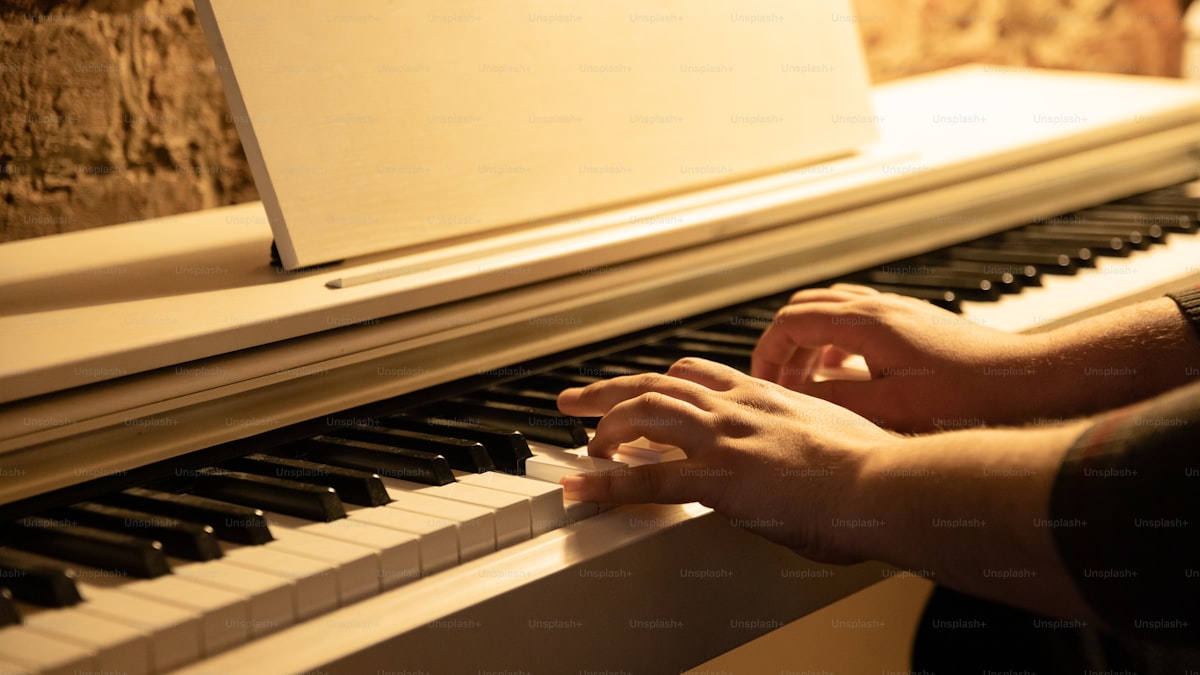
- Piano/Keyboard — No sizing issues, no breath control needed. Piano gives children an excellent foundation in music theory and reading that transfers to any instrument later.
- Recorder — Often the very first instrument children encounter at school. It's an excellent stepping stone that teaches breath control, finger coordination, and note reading.
Ages 7–9: Expanding the Options
By this age, most children have the hand span, breath capacity, and attention span for a wider range of instruments:
- Flute — Requires reaching the keys comfortably. Some children start on a curved-head flute to reduce the reach needed.
- Clarinet — Needs enough finger span to cover the tone holes. Most children are ready by age 8 or 9.
- Trumpet and cornet — Require developing an embouchure (the way you hold your mouth on the mouthpiece). Cornet is slightly smaller and often a good starting point.
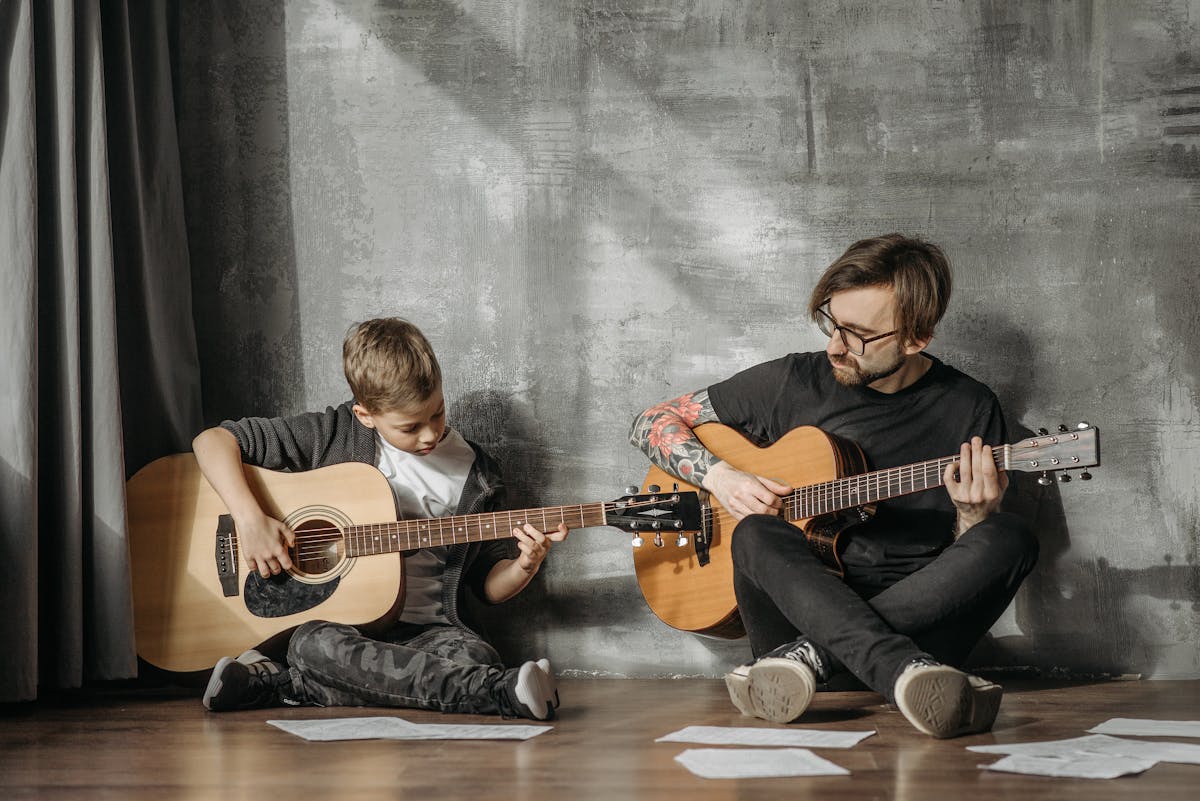
- Guitar — Available in smaller sizes (1/2, 3/4). Finger strength is the main consideration.
Ages 10+: Nearly Everything Is on the Table
Older children and teenagers can take up almost any instrument, including larger brass (trombone, French horn, tuba), saxophone, oboe, bassoon, and percussion. Many school band programmes in New Zealand begin around Year 5 or 6, which is a natural moment for children to start something new.
Personality and Temperament
This might sound a bit vague, but it genuinely matters. The instrument needs to suit your child's personality, or they're unlikely to stick with it.
- Patient and detail-oriented? Strings and woodwind reward careful, methodical practice. Violin and oboe in particular require precision.
- Energetic and outgoing? Brass instruments and drums channel that energy beautifully. There's nothing quite like the satisfaction of a big, bold trumpet sound.
- Independent and self-motivated? Piano is wonderful for children who enjoy working on their own — it's a complete instrument that doesn't require an ensemble to sound great.
- Social and collaborative? Consider instruments that feature prominently in school bands and orchestras — clarinet, flute, trumpet, and violin all open the door to group playing early on.
That said, take personality matching with a grain of salt. Some of the most successful musicians we know play instruments that seem at odds with their personality. Let your child have a say — their enthusiasm matters more than any personality quiz.
What Does Their School Offer?
In New Zealand, school music programmes vary enormously. Some schools run full concert bands and string orchestras. Others offer itinerant music lessons through external tutors. A few — particularly smaller or rural schools — may have limited programmes.
It's worth checking with your child's school before committing to an instrument. Key questions to ask:
- Does the school have a band or orchestra programme, and what instruments do they need?
- Do they provide group lessons during school hours, and for which instruments?
- Is there a particular instrument the school is short on? (Schools are often desperate for lower brass, viola, and double bass players.)
- Will they need the instrument for a specific term, or is it a year-long commitment?
If the school offers subsidised group lessons for certain instruments, that can be a real advantage — it means your child gets regular tuition built into their school day.
A Quick Tour of the Instrument Families
Strings (Violin, Viola, Cello, Double Bass)
Strings offer a beautiful, expressive sound and a clear progression path through orchestra, chamber music, and solo performance. They come in fractional sizes for younger players and require regular maintenance (new strings, bow rehairs). The learning curve is gradual — it takes time to produce a consistently good tone, but the rewards are immense.
Woodwind (Flute, Clarinet, Oboe, Bassoon, Saxophone)
Woodwind instruments are popular in both orchestras and concert bands. The flute and clarinet are the most common starting points. Oboe and bassoon are more specialised — fewer students play them, which actually means more opportunities in school and youth ensembles (they're always in demand). Saxophone is hugely popular and versatile, crossing from classical into jazz and contemporary music.
Brass (Trumpet, Cornet, French Horn, Trombone, Tuba)
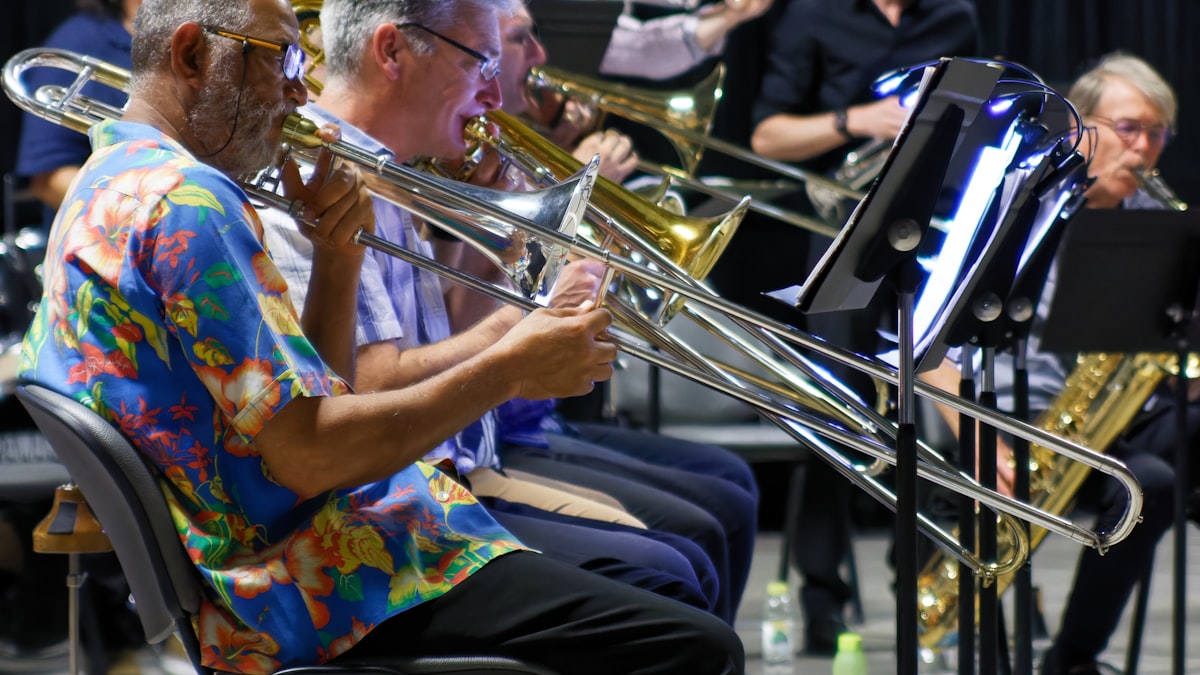
Brass instruments require developing an embouchure and good breath support. They're fantastic for building confidence — they're loud, they're bold, and they're the backbone of any concert band or brass band. New Zealand has a strong brass band tradition, particularly in smaller towns, which opens up wonderful community playing opportunities.
Keyboard (Piano, Digital Piano)
Piano is arguably the most versatile instrument. It develops both hands independently, provides a visual map of music theory, and can be played solo or as an accompaniment. It's also one of the few instruments with no sizing issues — a five-year-old and an adult play the same piano.
Percussion (Drum Kit, Snare, Tuned Percussion)
Percussion is about far more than just "hitting things." It develops rhythm, coordination, and musicality. School percussion sections need players for everything from snare drum to xylophone. If your child has natural rhythm and energy, percussion can be a great fit.
How Renting Helps With the Decision
Here's the honest truth: sometimes you won't know if an instrument is the right fit until your child has actually been playing it for a few weeks. That initial excitement might deepen into genuine passion — or it might fade once the novelty wears off.
This is exactly where renting shines. With a flexible monthly rental plan, your child can try an instrument without the family committing hundreds or thousands of dollars upfront. If it turns out clarinet isn't their thing but they're desperate to try trumpet, you swap. No guilt, no financial loss, no instrument gathering dust in a wardrobe.
You can browse our full catalogue to see what's available across all instrument families and tiers.
Questions to Ask Your Child's Music Teacher
If your child already has a music teacher — or if their school provides one — they're the best person to advise on instrument choice. Here are some useful questions:
- Based on what you've seen, which instruments do you think would suit my child?
- Are there any instruments you'd recommend avoiding at their current age or stage?
- What instrument does the school ensemble need most?
- How often should they be practising, and for how long?
- Are there any upcoming music exams (ABRSM, Trinity, or NZMEB) they could work toward?
The Most Important Factor
Above everything else — age, build, personality, school programmes — the most important factor is your child's genuine interest. A child who is excited about their instrument will practise willingly, progress faster, and enjoy the journey. If they're drawn to the sound of a particular instrument, take that seriously. Enthusiasm is worth more than any "ideal" starting instrument.
And remember, nobody gets this decision wrong permanently. Children switch instruments, add second instruments, and evolve as musicians. The goal right now is simply to get them started.