What Instrument Does My Child Need for School Band or Orchestra?
A practical breakdown of the instruments used in New Zealand school bands and orchestras — what each section needs, how schools assign instruments, and how to prepare your child.
School Music Programmes in New Zealand
If your child's school has just sent home a letter about joining the band or orchestra, you're probably staring at a list of instruments wondering where to start. Don't worry — you're in very good company. Most parents have never had to think about the difference between a cornet and a trumpet, or whether a viola is just a big violin (it isn't, and viola players will be quick to tell you so).
New Zealand schools typically run one of two main ensemble types: a concert band (wind, brass, and percussion) or a string orchestra (violins, violas, cellos, and sometimes double bass). Some larger schools run both, and a few have full symphony orchestras that combine the lot. Most band programmes start around Year 5 or 6 at primary or intermediate level, though some schools begin earlier.
Understanding what instruments each ensemble needs will help you and your child make a confident choice — and might even open doors you hadn't considered.
Concert Band Instruments
The concert band is the most common school ensemble in New Zealand. It's built around three sections: woodwind, brass, and percussion. Here's what typically makes up each section.
Woodwind
- Flute — One of the most popular choices. The flute is lightweight, comes in standard size (no fractional sizing needed), and produces a clear, bright sound. Most children can manage a standard flute from around age eight or nine, though curved-head models help younger players.
- Clarinet — Another extremely popular band instrument. The clarinet has a warm, versatile sound and features prominently in almost every piece of band music. Your child will need enough finger span to cover the tone holes — most are ready by age eight or nine.
- Saxophone — Usually alto saxophone for beginners. It's a crowd favourite — it looks cool and sounds great. The saxophone uses a single reed (like the clarinet) and is a natural next step for clarinet players. It's heavier than a clarinet, so physical size matters.
- Oboe and bassoon — Less common starting instruments, but schools are almost always in need of them. If your child ends up on oboe or bassoon, they'll be in high demand for ensembles right through secondary school and beyond. Both use double reeds, which require a bit more care than single-reed instruments. For more on reed care, see our woodwind care guide.
Brass
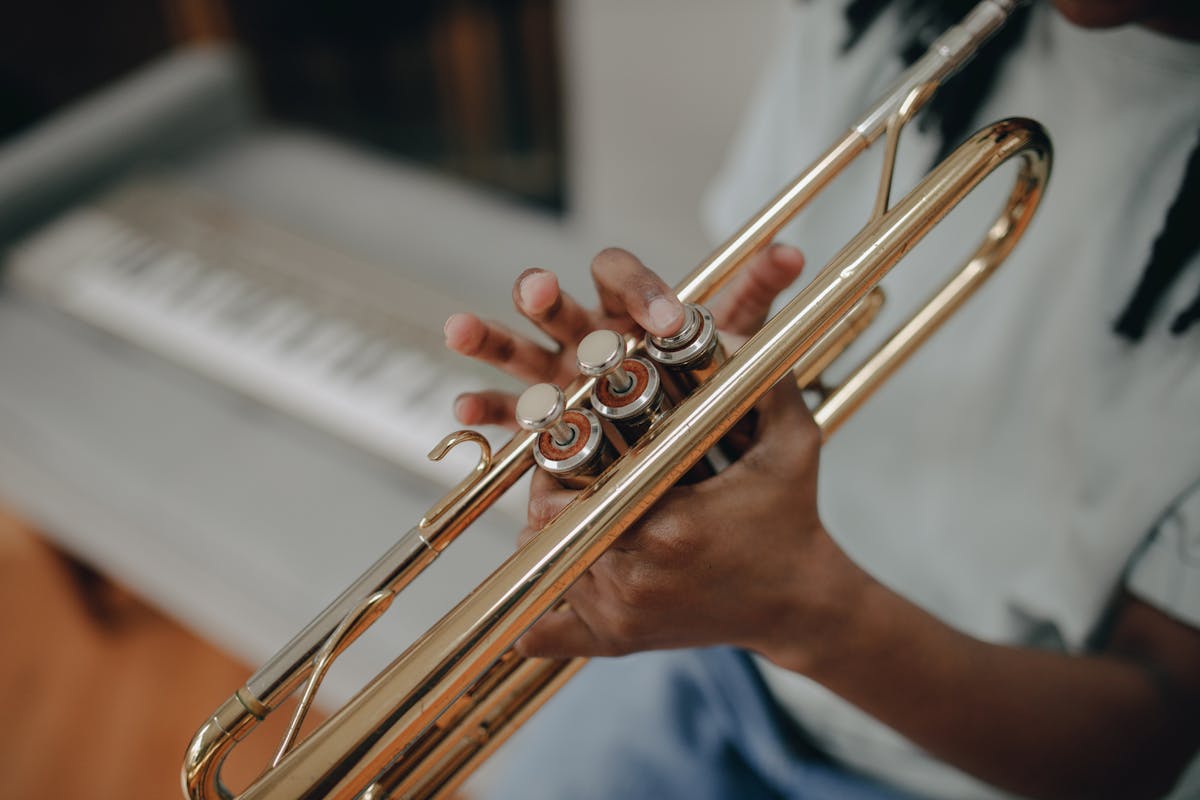
- Trumpet (or cornet) — The most common starting brass instrument. Bright, bold, and versatile. The cornet is slightly smaller and often used as a stepping stone for younger players before moving to trumpet. New Zealand has a strong brass band tradition, so community playing opportunities abound.
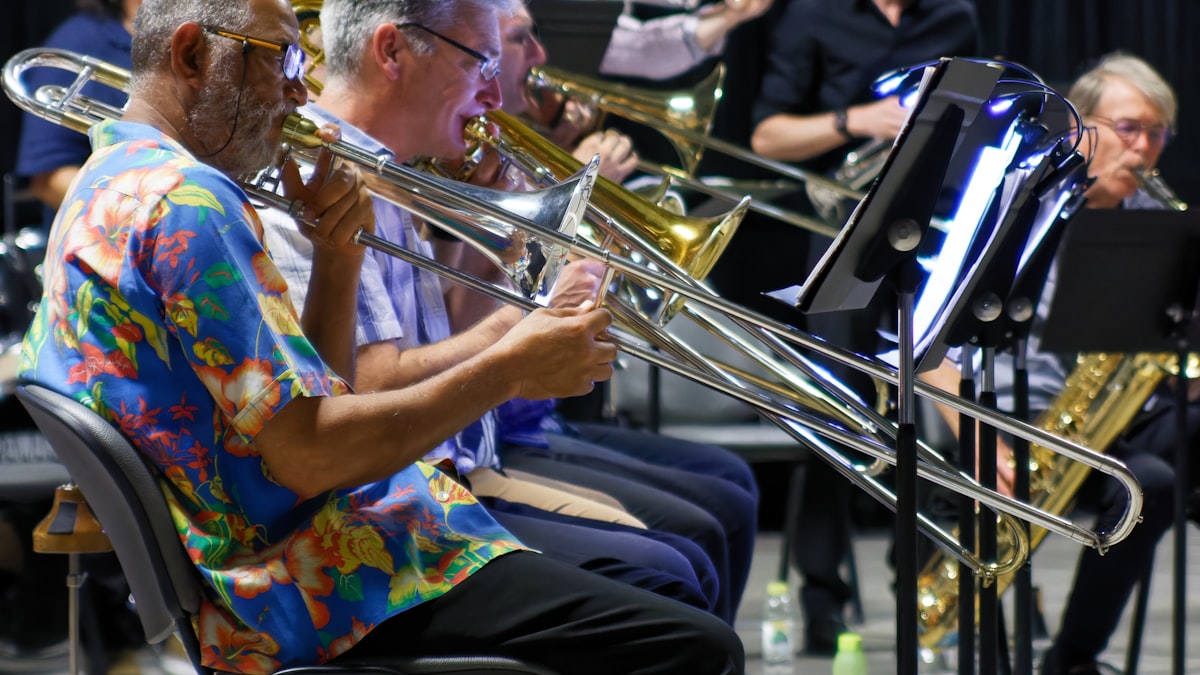
- Trombone — Uses a slide rather than valves, which some children find more intuitive and others find trickier. Arm length matters — your child needs to reach the outer slide positions comfortably. Most children are ready from around age nine or ten.
- French horn — Beautiful but demanding. The French horn has a reputation for being one of the harder instruments to learn, partly because of the precision required in the embouchure. Schools are perpetually short of French horn players, which means opportunities are plentiful for those who take it on.
- Tuba and euphonium — The foundations of the brass section. These are larger instruments that suit older or bigger children. If your child is assigned tuba, don't despair — read on for why this can actually be a brilliant outcome.
For tips on maintaining any of these brass instruments, have a look at our brass care guide.
Percussion
- Snare drum, bass drum, and cymbals — The rhythmic backbone of the band.
- Tuned percussion — Xylophone, glockenspiel, and timpani. Percussion students are usually expected to play across multiple instruments, which makes it one of the most varied and engaging roles in the band.
Orchestra Instruments
If your child's school runs a string orchestra or full orchestra, the instrument list looks a bit different.
- Violin — The largest section. Orchestras need lots of violins, split into first and second parts. It's the most common starting string instrument and comes in fractional sizes for younger players. See our violin sizing guide for help choosing the right size.
- Viola — Slightly larger than the violin, with a deeper, warmer tone. Violas are chronically under-represented in school orchestras, which means viola players are always in demand. Some children start on violin and switch to viola after a year or two — the technique transfers well.
- Cello — Played seated with the instrument between the knees. The cello has a rich, expressive sound that children often fall in love with. Available in fractional sizes for younger players.
- Double bass — The largest string instrument. Schools are almost always short of bass players. Like the tuba in band, it's an instrument where demand far outstrips supply — your child will be welcome in every ensemble they audition for.
In a full orchestra, woodwind, brass, and percussion join the strings. If your school has this setup, all of the band instruments listed above are also options.
How Schools Assign Instruments
Every school handles this differently, but here are the most common approaches:
- Free choice — Children pick what they want. This often results in thirty flutes, fifteen clarinets, and zero tubas. Schools that do this usually steer students toward less popular instruments once the popular sections are full.
- Instrument testing days — The school or an itinerant teacher runs a session where children try several instruments and are assessed on which ones suit them best. This is common and generally produces good results.
- Teacher recommendation — Based on physical characteristics (lip shape, hand size, arm length) and sometimes personality. Teachers who've been doing this for years develop a good instinct for matching children to instruments.
- Filling gaps — Some schools simply need specific instruments to make the band work. If they're short on low brass or double bass, your child might be encouraged toward those instruments regardless of their first preference.
When Your Child Gets "Chosen" for Tuba (or Bassoon, or Viola)
Here's a scenario that plays out in schools across New Zealand every year: your child goes to instrument testing day hoping for flute, and comes home saying the teacher thinks they'd be perfect for tuba. Or bassoon. Or viola. Or some instrument you've barely heard of.
Before you feel disappointed on their behalf, consider this: the less popular instruments are often the best choice for a child's musical future. Here's why:
- They're always in demand. Every band needs a tuba. Every orchestra needs violas. Your child will be first pick for school ensembles, regional groups, youth orchestras, and community bands. A good tuba player will never struggle to find a seat.
- Scholarship and selection opportunities. At secondary school and university level, less common instruments often come with better scholarship prospects and easier entry into top ensembles simply because there's less competition.
- It builds character and identity. There's something special about being "the bassoon player" rather than one of fifteen clarinets. Children who play less common instruments often develop a stronger musical identity and sense of pride in their role.
- The skills transfer. A child who learns tuba can pick up euphonium, sousaphone, and other low brass instruments easily. A viola player can switch to violin (or back) with minimal adjustment. These instruments open doors rather than closing them.
That said, if your child is genuinely unhappy with the suggestion, don't force it. A reluctant musician won't practise, won't improve, and won't enjoy the experience. Have a conversation with the music teacher about alternatives — there's usually room for compromise.
What You'll Need to Provide
Most New Zealand schools expect families to provide the instrument. Some schools have a small stock of instruments they can loan (particularly the larger, more expensive ones like tubas and double basses), but this isn't guaranteed.
Here's what your child will typically need:
- The instrument itself — in good, playable condition with a proper case.
- Essential accessories — reeds (for woodwind), valve oil (for brass), rosin (for strings), drumsticks (for percussion). These are consumables that need replacing regularly.
- A music stand — for practice at home. Schools usually provide stands for rehearsals.
- A practice notebook or diary — some teachers use these to communicate with parents about what to practise each week.
Renting is the most practical option for school band instruments, especially when your child is just starting out. If they switch instruments later (which happens more often than you'd expect), you simply swap rather than sell and rebuy. Take a look at our instrument catalogue to see what's available.
Making It Work
Joining a school band or orchestra is one of the most rewarding things your child can do at school. They'll develop musical skills, learn to work as part of a team, build friendships, and gain confidence performing in front of others. The instrument they play matters less than you might think — what matters is that they're playing, learning, and enjoying it.
If you're unsure which instrument is right for your child, have a read of our guide on choosing the right instrument, or get in touch and we'll help you work it out.