Woodwind Care Guide: Flute, Clarinet, Saxophone, and Oboe Maintenance
Everything you need to know about caring for your child's woodwind instrument — from swabbing and reed care to pad maintenance, key mechanisms, and proper storage.
Why Woodwind Care Is Essential
Woodwind instruments are precision-engineered tools with delicate pads, springs, and key mechanisms that need consistent care. Unlike brass instruments, which can handle a fair bit of neglect, woodwind instruments will punish you quickly if maintenance is skipped. Pads deteriorate, keys stick, reeds split, and moisture causes problems ranging from mild inconvenience to expensive repairs.
The good news? Daily maintenance takes just a few minutes. Let's walk through what each instrument needs.
The Universal Rule: Swab After Every Single Session
This is the single most important care habit for any woodwind player. Every time your child finishes playing, the instrument must be swabbed out to remove moisture.
Warm breath condenses inside the cool bore of the instrument. Left there, this moisture damages the pads (the leather or synthetic discs that seal the tone holes), causing them to swell, warp, stick, and eventually rot. It can also cause mould and an unpleasant smell.
How to Swab
- Flute: Thread the cleaning cloth through the eye of the cleaning rod, wrap the cloth around the rod, and push it gently through each section of the flute (headjoint, body, and footjoint separately). Wipe the outside with a soft cloth to remove fingerprints.
- Clarinet: Drop the weighted end of the pull-through swab into the bell and pull it through each section. Swab the upper joint and lower joint separately — never try to pull a swab through the entire assembled instrument, as it can get stuck.
- Saxophone: Use a saxophone-specific swab (they're larger than clarinet swabs). Drop the weight through the bell and pull through. The neck (crook) should be swabbed separately with a smaller swab or brush.
- Oboe: Use a silk or microfibre pull-through swab designed for oboe. The bore is narrow, so the swab must be the right size. Swab from the bell end, pulling through gently. Oboes are particularly moisture-sensitive — swab at least twice.
Reed Care: Clarinets, Saxophones, and Oboe
If your child plays a reed instrument, reed care is a daily consideration. Reeds are consumable — they wear out and need replacing — but proper care extends their life significantly and ensures consistent sound quality.
Single Reeds (Clarinet and Saxophone)
- After playing, remove the reed from the mouthpiece and wipe it gently with a clean finger or soft cloth to remove excess moisture. Store it in a reed case (a small, ventilated case that holds reeds flat). Never leave it on the mouthpiece between sessions — this warps the reed and shortens its life.
- Rotate reeds. Have three or four reeds in use at any time and rotate between them. This gives each reed time to dry fully between sessions, preventing warping and extending their life.
- Break in new reeds gradually. A brand-new reed should be played for just five to ten minutes on the first day, increasing over a week. This allows the cane to adjust to moisture cycles without cracking.
- Replace when needed. A reed that's chipped, cracked, or consistently producing a thin, buzzy sound has reached the end of its life. Don't let your child struggle with a dead reed — it'll affect their sound, their technique, and their motivation.
Double Reeds (Oboe and Bassoon)
Double reeds are more delicate and more expensive than single reeds, so careful handling matters even more.
- Soak before playing in a small cup of clean water for two to three minutes. Never soak for longer — over-soaking weakens the cane.
- After playing, gently blow through the reed to clear moisture, then place it in a reed case designed for double reeds (these often have a mandrel or holder that supports the reed's shape).
- Handle with care. The tip of a double reed is incredibly thin and fragile. Never touch the tip, and always store the reed with a protective cap when not in use.
- Temperature matters. Sudden temperature changes can crack double reeds. Don't leave them in a cold car or near a heater.
Pad Care and Key Mechanisms
The pads on a woodwind instrument are what seal the tone holes when keys are pressed. They're typically made of leather, felt, or synthetic materials, and they're surprisingly sensitive to moisture and dirt.
Keeping Pads Healthy
- After swabbing, gently place a piece of cigarette paper or pad-drying paper between any pads that feel sticky and the tone hole. Press the key lightly, then slowly withdraw the paper. This absorbs residual moisture from the pad surface. Pay special attention to the pads that stick most often — on clarinets, this is usually the G# key and the register key.
- Never use regular paper or tissues. They leave fibres that cling to the pads and accelerate wear.
- Don't eat or drink (other than water) before playing. Sugary drinks and food residue are the primary cause of sticky pads. If your child has just had a juice or biscuit, a quick rinse of the mouth makes a real difference.
Key Mechanisms
The keys, springs, and rods on a woodwind instrument are precision-fitted. Here's how to keep them working smoothly:
- Don't bend keys. Keys can be bent by careless handling, overly tight grip, or putting the instrument down without its case. Bent keys cause leaks, and leaks cause notes that won't speak properly.
- Avoid touching keys you don't need to press. Extra handling transfers oils and grime to mechanisms that should stay clean.
- Leave adjustments to professionals. If a key feels loose, a spring seems weak, or a mechanism isn't responding correctly, don't try to fix it yourself. Key adjustments require specialist tools and knowledge.
Cork Grease (Clarinet, Saxophone, Oboe)
The joints of clarinets, saxophones, and oboes are sealed with cork. Cork grease keeps these joints supple and makes assembly and disassembly smooth.
- Apply a thin layer of cork grease when the joints feel stiff or dry — typically once a week or so.
- Don't over-apply. A thin, even coating is all that's needed. Excess grease attracts dust and dirt.
- When assembling the instrument, use a gentle twisting motion. Never force joints together — if they're truly stuck, apply more cork grease and try again. Forcing can crack the socket or damage the tenon.
Flute-Specific Tips
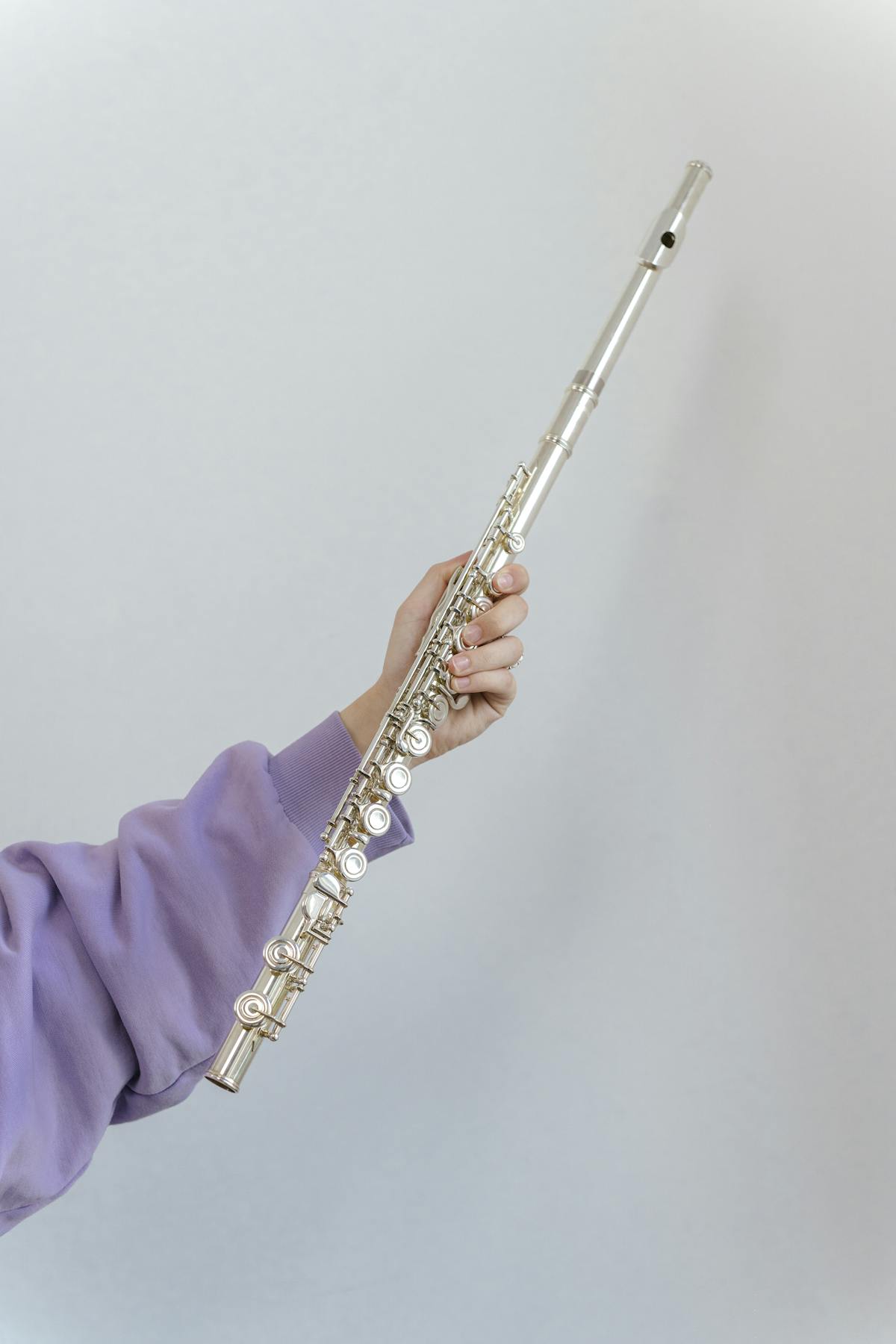
The flute is unique among woodwind instruments in that it's made entirely of metal (usually silver-plated nickel silver, or solid silver for higher-end instruments) with no reed and no cork joints. It has its own specific care needs:
- Headjoint care: The embouchure plate (where your child blows) collects oils from the skin. Wipe it after every session with a soft cloth.
- Avoid touching the mechanism. The flute's key mechanism is exposed and delicate. Teach your child to hold the flute by the barrel sections between the keys, not by the keys themselves.
- Headjoint cork: Inside the headjoint is a small cork that affects tuning. It should only be adjusted by a teacher or technician. If your child notices the tuning seems consistently off, this might need checking.
- Tarnish: Silver flutes will develop tarnish over time. A silver polishing cloth designed for musical instruments can be used gently on the exterior. Never use liquid silver polish — it can seep into the mechanism and damage pads.
- The cleaning rod mark: The cleaning rod has a small line etched near one end. When inserted into the headjoint, this line should be centred in the embouchure hole. If it's not, the cork has shifted and needs adjusting.
Storage and Transport
When not being played, every woodwind instrument should be disassembled (if applicable) and stored in its case with all latches or zips closed. This protects it from dust, temperature changes, accidental bumps, and — in households with young children or pets — curious hands and paws.
- Store in a consistent temperature. Avoid leaving the instrument in a car, near a heater, or in direct sunlight. Wooden instruments (clarinet, oboe) are especially vulnerable to cracking from sudden temperature changes.
- New Zealand humidity: If you live in a particularly dry area (inland Canterbury in winter, for example), consider a small humidifier in the case for wooden instruments. In humid coastal areas, silica gel packets can help manage excess moisture.
- Don't overstuff the case. Sheet music, pencils, and other items crammed into the case can press against keys and bend mechanisms. Keep the case for the instrument and its essential accessories only.
For broader care advice that applies to all instrument types, see our general rental instrument care guide. And for brass players in the family, our brass care guide covers the other side of the band.
When to Get Professional Help
Some issues are beyond home maintenance and need a qualified technician:
- Notes that won't sound properly despite correct fingering (usually indicates a pad leak)
- Keys that stick persistently even after pad drying
- Loose or missing screws, springs, or corks
- Cracks in a wooden body (clarinet, oboe)
- Any visible damage to key mechanisms
Don't wait for small issues to become big ones. At Prelude, we're always happy to help troubleshoot problems and arrange repairs. Get in touch at the first sign of trouble — early attention almost always saves time and money.