How to Care for Your Child's Rental Instrument: A Beginner's Guide
Simple, practical tips for keeping your child's rental instrument in great condition — from daily habits to storage, handling, and knowing when to ask for help.
Good Habits Start Early
One of the best things about learning a musical instrument is that it teaches responsibility. Caring for an instrument is part of that lesson — and it doesn't need to be complicated or stressful. A few simple habits, practised consistently, will keep your child's instrument in great condition throughout the rental period and beyond.
This guide covers universal care principles that apply to all instruments. Whether your child plays violin, clarinet, trumpet, or keyboard, these fundamentals will serve them well.
Daily Care: The Basics
Clean Hands First
This is the single most impactful habit your child can develop. Playing with clean, dry hands prevents oils, sweat, and grime from building up on the instrument. For brass instruments, it protects the lacquer. For strings, it keeps the fingerboard clean. For woodwind, it reduces pad degradation. A quick hand wash before practice is all it takes.
Wipe Down After Playing
After each practice session, wipe the instrument down with a soft, lint-free cloth. This removes moisture, fingerprints, and rosin dust (for string instruments). It takes thirty seconds and makes a genuine difference over time.
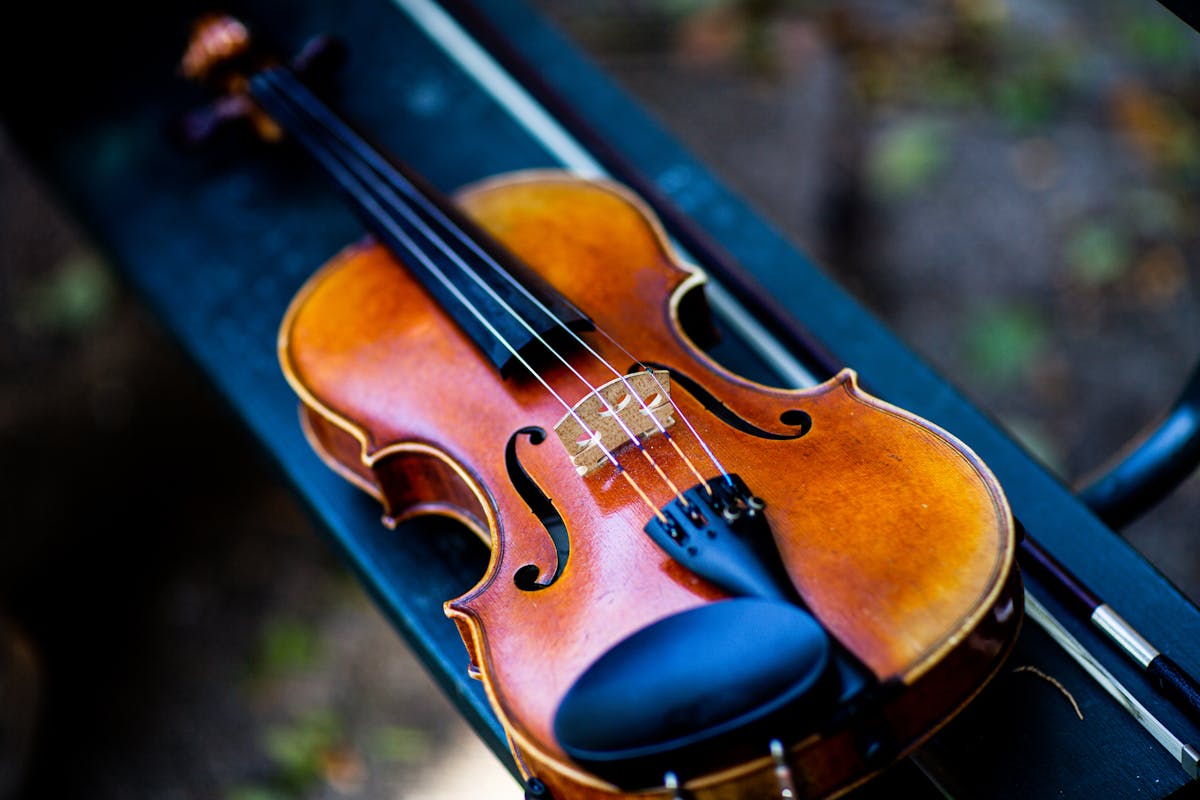
- String instruments: Wipe the strings and body with a dry cloth. Remove rosin dust from the top of the instrument — if left to build up, it bonds to the varnish and becomes very difficult to remove.
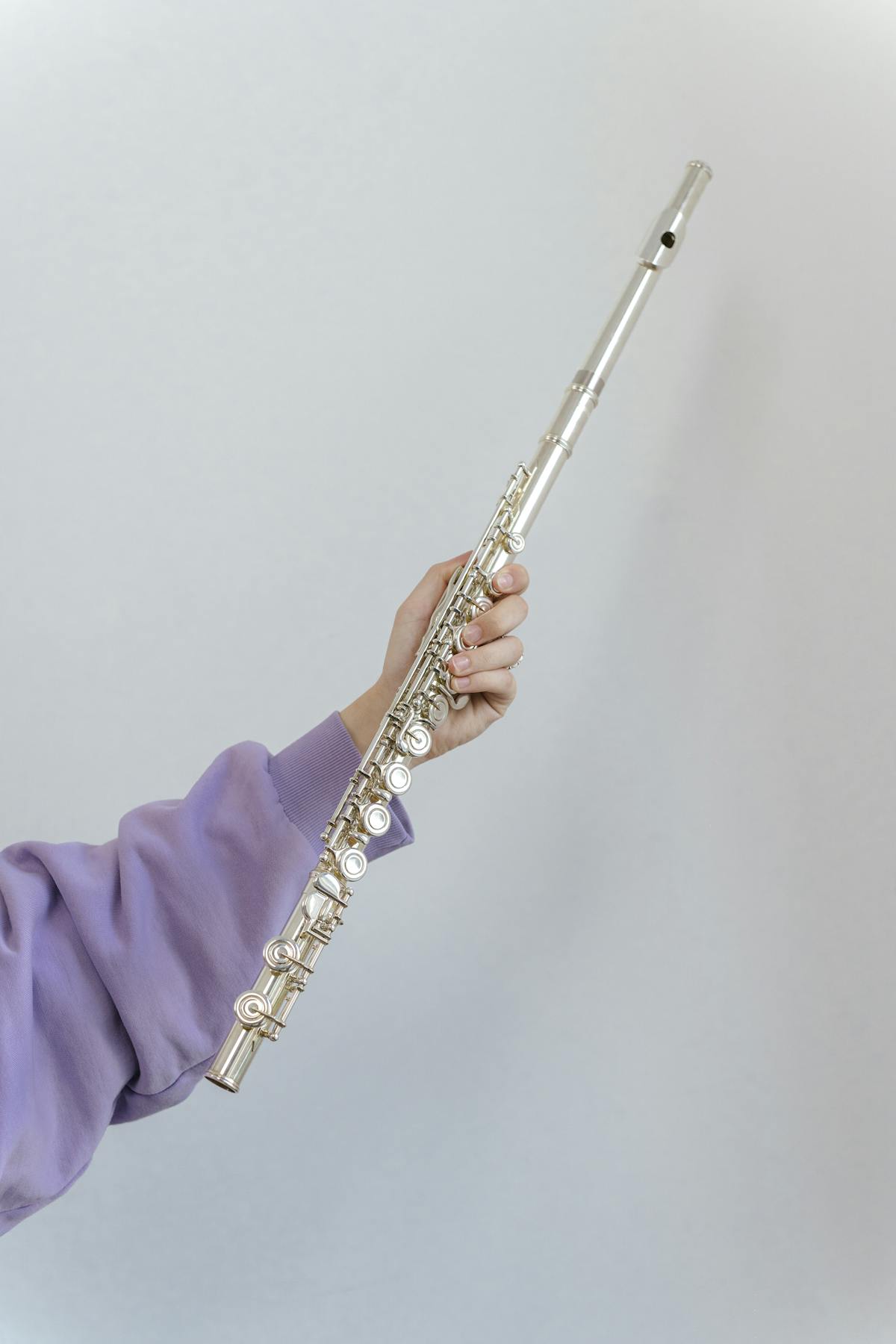
- Woodwind instruments: Swab the inside of the instrument to remove moisture. This is essential — moisture left inside will damage pads, cause odour, and eventually lead to mould.
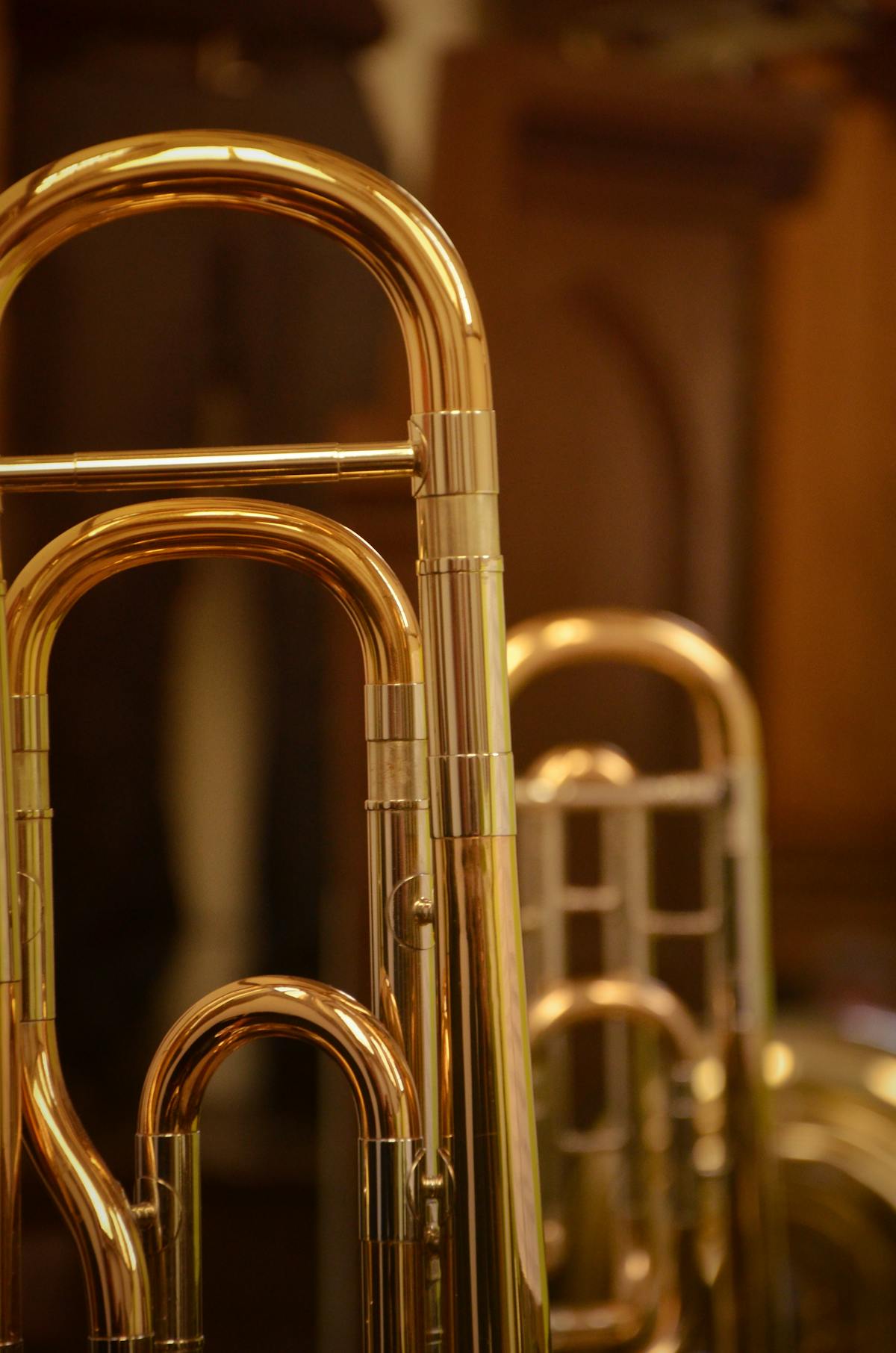
- Brass instruments: Wipe the exterior with a soft cloth. Empty any water from the water key (spit valve) after each session.
- Keyboards: Wipe the keys with a slightly damp cloth. Avoid spraying anything directly onto the keyboard.
Put It Away Properly
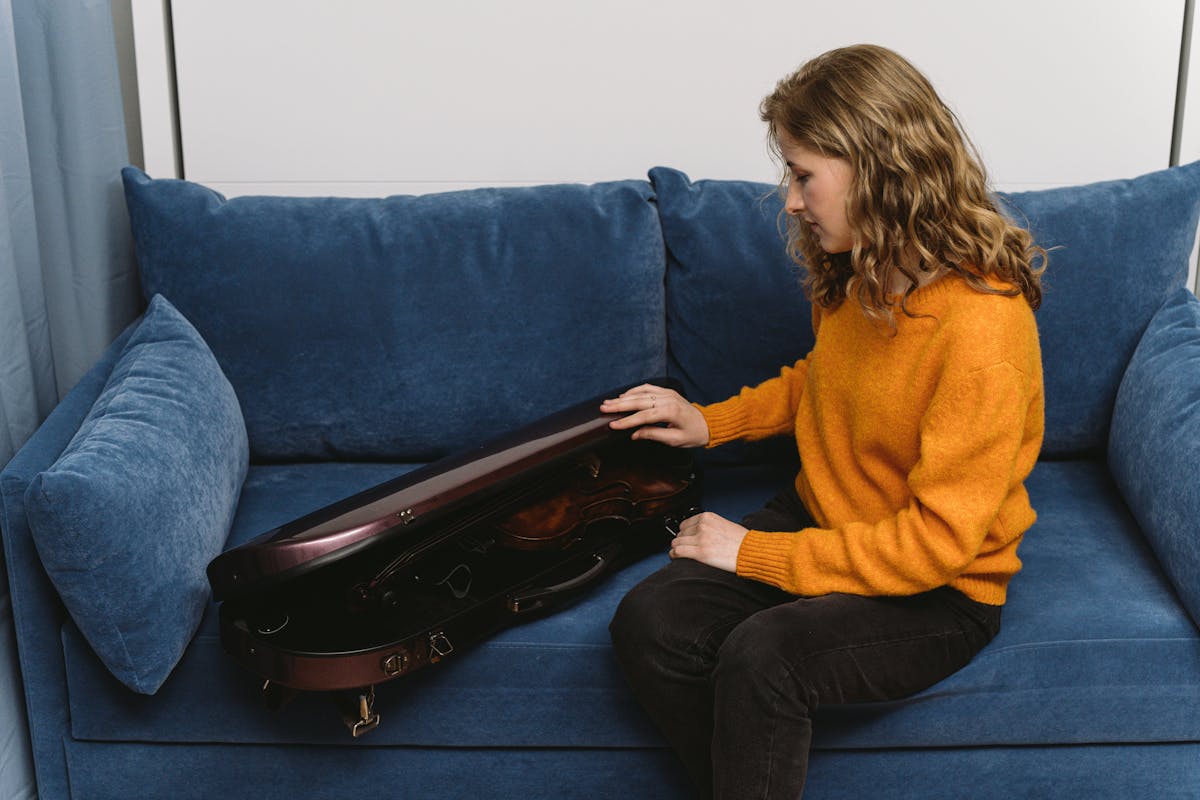
When practice is finished, the instrument goes back in its case. Every time. This protects it from accidental bumps, pets, younger siblings, and the general chaos of family life. It also protects it from temperature and humidity changes. An instrument left out on a stand overnight is an instrument at risk.
Storage: Getting It Right
Temperature
Musical instruments — especially wooden ones — are sensitive to temperature changes. Avoid storing the instrument:
- In direct sunlight or near a window
- Next to a heater, heat pump, or fireplace
- In a car (temperatures in a parked car can be extreme, even in New Zealand)
- In a garage or shed where temperatures fluctuate widely
The ideal storage spot is inside your home, at a consistent room temperature, away from direct heat sources. A bedroom or living area is usually fine.
Humidity
New Zealand's humidity varies significantly depending on where you live and the time of year. Auckland can be quite humid in summer, while inland areas like the Waikato or Canterbury can be drier, especially when indoor heating is running in winter.
Wooden instruments (violin, cello, clarinet, oboe) are particularly sensitive to humidity. Very dry conditions can cause wood to crack, seams to open, and tone to suffer. Very humid conditions can cause swelling, sticky keys, and pad deterioration.
If you live in an area with extreme humidity or dryness, consider a small instrument humidifier (for the case) in dry conditions, or silica gel packets in humid conditions. Your child's teacher can advise on what's needed for your specific area.
Case Care
The case is your instrument's first line of defence. Treat it well:
- Close the case properly every time — zips, latches, and Velcro all serve a purpose.
- Don't overstuff the case with sheet music, pencils, or other items that could press against the instrument.
- Store the case flat or upright as appropriate for the instrument (check the case design — most are designed to sit a particular way).
- Keep the outside of the case clean and dry.
Handling: Teach Them Young
Children aren't naturally careful with objects (this will not be news to any parent). But handling an instrument properly is a skill that can be taught, and it's worth investing the time early.
Key Handling Rules
- Always hold the instrument by its designated grip points. For a violin, that's the neck and chinrest area. For a clarinet, the barrel and bell. Teach your child where to hold and where not to hold.
- Never place the instrument on the edge of a table, bed, or music stand where it could roll or fall.
- Assembly and disassembly should be done carefully and in the right order. Woodwind and brass instruments have specific assembly sequences. Rushing leads to bent keys, stuck joints, and other damage.
- Don't let friends handle the instrument unsupervised. This is one of the most common sources of accidental damage. Other children mean well, but they don't know how to handle an unfamiliar instrument safely.
Transport Tips
Getting the instrument to and from school, lessons, and performances is when it's most vulnerable. A few practical tips:
- Always transport in the case. Never carry an instrument loose — not even from the car to the front door.
- In the car, secure the case so it won't slide or fall during braking. The footwell behind the front seat is often the safest spot for smaller instruments. Larger instruments like cellos may need a seatbelt.
- In the school bag zone, protect it. If your child is carrying the instrument to school, remind them not to stack heavy bags on top of the case or throw it in with sports gear.
- Avoid the boot in summer. As mentioned, car temperatures can be extreme. If you have to leave the instrument in the car briefly, keep it in the passenger area with a window cracked, not in the boot.
What NOT to Do
A few things to actively avoid:
- Don't use household cleaning products on the instrument. No furniture polish, window cleaner, or all-purpose spray. These can damage finishes, dissolve lacquer, and ruin pads. Use only products specifically designed for musical instruments, or simply a dry soft cloth.
- Don't attempt repairs yourself. If something seems wrong — a stuck key, a buzzing sound, a crack, a loose peg — contact your rental provider. Well-intentioned DIY fixes almost always make things worse.
- Don't eat or drink around the instrument. Spills happen, and sticky fingers on an instrument are never good news.
- Don't store anything inside the bell of a brass instrument. It might seem like a convenient spot for a mute or cloth, but anything left inside can cause dents from the inside out.
When to Contact Your Rental Provider
Part of the beauty of renting is that you have support when things go wrong. Don't hesitate to get in touch if:
- The instrument is producing unusual sounds (buzzing, rattling, or a sudden change in tone)
- Keys or valves are sticking or not responding properly
- You notice any visible damage — cracks, dents, loose parts
- Pegs are slipping or tuning is consistently unstable
- The bow hair is fraying or breaking excessively (string instruments)
- Anything at all seems "off" — trust your instinct
It's always better to flag a small issue early than to let it develop into something more serious. At Prelude, we'd much rather hear from you at the first sign of trouble than after a small crack has become a big one.
Building the Routine
The best instrument care isn't about grand gestures — it's about small, consistent habits. If your child learns to wash their hands before playing, wipe down their instrument after, and put it back in the case every single time, that instrument will stay in excellent condition for the entire rental period.
Make these steps part of the practice routine from day one, and they'll become automatic. It's a life skill as much as a musical one.
Have a question about caring for a specific instrument? Get in touch — we're always happy to help with care advice tailored to your child's particular instrument.