Brass Instrument Care: Looking After Your Child's Trumpet, Trombone, or French Horn
Practical tips for keeping your child's brass instrument in top condition — from daily valve oiling and slide greasing to quarterly bathing and proper storage.
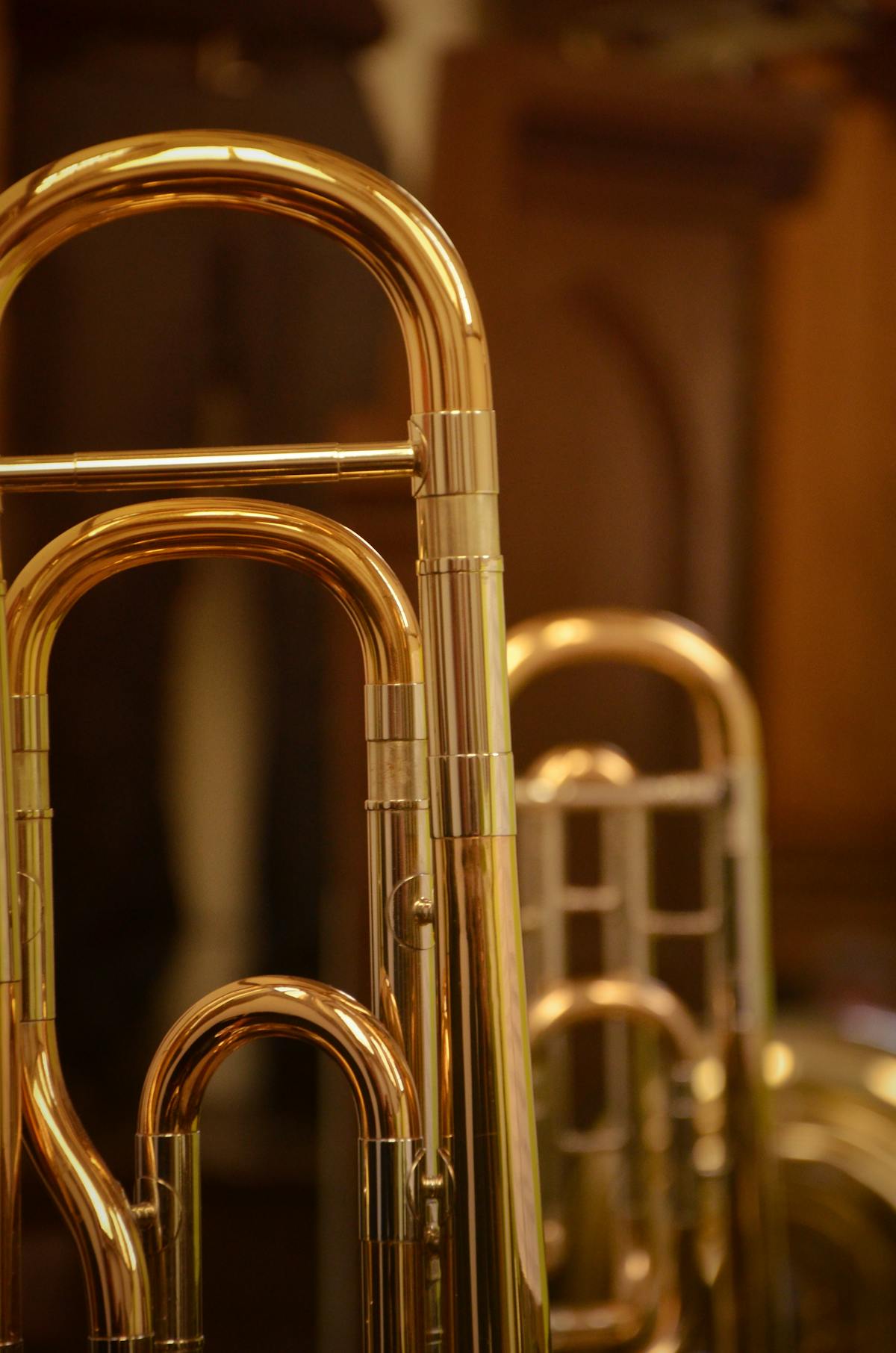
Why Brass Care Matters
Brass instruments are wonderfully robust compared to many other instruments — there's no delicate reed to fuss over, no wooden body to worry about cracking. But that doesn't mean they're indestructible. A trumpet, trombone, or French horn that isn't properly maintained will develop sticky valves, sluggish slides, unpleasant odours, and eventually corrosion that affects both playability and sound quality.
The good news is that brass care is straightforward. A few minutes of daily maintenance and occasional deeper cleaning will keep your child's instrument playing beautifully throughout the rental period and beyond. Most of these tasks are simple enough for children to do themselves — it's a great way to build responsibility.
Daily Care: After Every Practice Session
These are the non-negotiable habits your child should develop from day one.
Empty the Water Keys
That "spit valve" on the side of the instrument isn't actually full of spit — it's mostly condensation from warm breath meeting cool metal. But it does need to be emptied after every playing session. Simply press the water key lever and blow gently through the instrument until no more moisture comes out. For a trombone, there are usually two water keys — one on the slide section and one on the bell section. Empty both.
If your child's instrument doesn't have a water key (some older models or specific designs), remove the main tuning slide and tip the instrument to drain the moisture out.
Wipe Down the Exterior
After playing, wipe the entire exterior with a soft, dry cloth. This removes fingerprints, moisture, and oils from your child's hands. Left unchecked, hand oils gradually eat through the lacquer (the clear protective coating) and can cause discolouration and eventually tarnish on the raw brass underneath.
Pay particular attention to the areas where hands make most contact — the valve casing on a trumpet, the slide grip on a trombone, and the bell area on a French horn.
Oil the Valves (Trumpet, French Horn, Tuba, Euphonium)
Valve instruments need regular oiling to keep the valves moving freely. Sticky or sluggish valves are the number one complaint from young brass players, and nine times out of ten, the solution is simply more oil.
- Unscrew the top valve cap of the first valve.
- Pull the valve partway out — just enough to see the bare metal of the valve piston. Don't pull it all the way out.
- Apply three to four drops of valve oil directly onto the exposed piston.
- Push the valve back down and twist gently to distribute the oil evenly.
- Replace the top cap and repeat for each valve.
- Press each valve a few times to work the oil through.
How often? Ideally before every practice session. At minimum, every two to three days of regular playing. If the valves start to feel sluggish or sticky, oil them immediately.
Important: Use proper valve oil, not household lubricants. WD-40, cooking oil, and other substitutes will damage the instrument. Valve oil is inexpensive and available from any music shop.
Grease the Slides (Weekly)
All brass instruments have tuning slides that need to move freely. Apply a thin layer of slide grease to each slide about once a week — or whenever a slide feels stiff.
- Gently remove the slide (if it's stuck, don't force it — see "What NOT to Do" below).
- Wipe off the old grease with a cloth.
- Apply a thin, even layer of slide grease to the inner tubes.
- Reinsert the slide and work it back and forth a few times to distribute the grease.
For trombones, the main playing slide requires a different lubricant — slide cream or slide oil rather than thick slide grease. Apply slide cream to the inner slide, spray a light mist of water over it, and work the slide back and forth. The slide should move freely and silently. If it's scratchy or sticky, clean and reapply.
Monthly Maintenance
Clean the Mouthpiece
Mouthpieces collect residue from saliva and can develop an unpleasant taste and smell if not cleaned regularly. Wash the mouthpiece weekly with warm (not hot) water and mild dish soap. Use a mouthpiece brush — a small, narrow brush designed for the purpose — to clean the inside of the shank and cup. Rinse thoroughly and dry before reattaching.
Never boil a mouthpiece. Hot water can damage plating (especially silver plating) and warp the metal.
Check for Sticking or Damage
Once a month, do a quick check of the whole instrument:
- Do all valves move freely?
- Do all slides pull out and push back in smoothly?
- Are there any new dents, even small ones?
- Do the water keys open and close properly, with the cork or pad sealing fully?
- Is the lacquer intact, or are there patches where it's wearing through?
If you spot anything that isn't right, get in touch sooner rather than later. Small issues are far easier (and cheaper) to fix than problems that have been left to worsen.
Quarterly Deep Clean: Bathing Your Brass Instrument
Every three months or so, your child's brass instrument benefits from a full bath. Yes, literally a bath. This removes built-up residue, old oil, and grime from inside the tubing. Here's how:
- Remove all slides, valves, and the mouthpiece. Set the valves aside carefully on a soft towel — don't let them roll or clank against each other.
- Fill a bathtub or large basin with lukewarm water and a small amount of mild dish soap. Not hot water — hot water can damage lacquer and loosen solder joints.
- Submerge the body of the instrument and let it soak for 15–20 minutes.
- Use a cleaning snake (a long, flexible brush) to gently clean through the main tubing, slides, and any accessible sections. You'll be amazed — and slightly horrified — at what comes out.
- Rinse everything thoroughly with clean lukewarm water.
- Shake out excess water and leave all parts to air-dry completely on a towel before reassembling.
- Once dry, re-oil all valves and re-grease all slides before playing.
Do not bathe the valves themselves — just wipe them clean with a soft cloth. Submerging valve pistons can wash lubricant out of areas that are hard to re-oil and may cause felts to deteriorate.
What NOT to Do
Brass instruments are forgiving, but there are some things that will cause real damage:
- Never force a stuck slide. If a slide won't budge, don't use pliers, excessive force, or leverage. Take it to a repair technician — they have the proper tools to free stuck slides without damaging the instrument.
- Never use household cleaners or polish. Brass polish is designed for decorative brass, not musical instruments. It can get into valve casings and cause serious damage. Stick to warm water and mild soap.
- Never leave the instrument assembled and wet. After bathing, dry and reassemble properly. Standing water inside the instrument promotes corrosion and can cause "red rot" — a type of dezincification that eats through brass from the inside.
- Never store anything inside the bell. Mutes, cloths, or other objects stuffed inside the bell can cause dents from the inside out — and these are much harder to repair than external dents.
- Never put the instrument down on its bell. Rest it on its side in a safe spot, or better yet, put it back in the case. A trumpet balanced on its bell is a trumpet about to fall over.
Storage and Transport
When your child isn't playing, the instrument should be in its case with all latches closed. Store the case in a stable, room-temperature environment — never in a car boot, garage, or direct sunlight. New Zealand's temperature swings, especially the difference between a heated house and a cold car in winter, can stress solder joints and affect the instrument's tuning stability.
When transporting to school or lessons, make sure the case is secure and won't slide or fall. Smaller instruments like trumpets travel well in a backpack-style case. Larger instruments like trombones and tubas need a bit more planning — the footwell behind the front car seat is usually the safest spot.
For general care principles that apply across all instrument types, see our beginner's guide to caring for your rental instrument.
When to Seek Professional Help
Some issues are beyond the scope of home maintenance. Contact your rental provider or a qualified repair technician if:
- A valve is persistently sluggish despite regular oiling
- A slide is stuck and won't move with normal effort
- There are dents — even small ones — in the tubing or bell
- The water key cork or pad is worn and no longer seals
- You notice any green or red corrosion inside the tubing
- The instrument sounds "off" in a way that isn't explained by normal playing
At Prelude, we'd always rather hear about a small issue early than discover a bigger problem later. Get in touch any time you're unsure — we're happy to help.