Guitar, Flute, or Violin? Matching Your Child's Personality to an Instrument
Every child is different. This guide helps you match your child's temperament and personality to an instrument they'll actually enjoy playing.
Why Personality Matters in Instrument Choice
Parents often choose instruments based on practical factors — cost, availability, what the school offers — and those things absolutely matter. But there's another factor that's equally important and often overlooked: whether the instrument suits your child's personality.
An instrument that matches your child's temperament feels natural. Practice feels less like a chore, and when the inevitable frustrations of learning arise, a child who feels connected to their instrument is far more likely to push through.
This isn't an exact science — children are complex, and plenty of quiet children thrive on drums while boisterous kids fall in love with the subtlety of violin. Think of this guide as a starting point for conversation, not a prescription.
The Social Butterfly: Band and Ensemble Instruments
Some children are at their happiest when they're surrounded by others. They love group activities, they feed off the energy of their peers, and they're motivated by being part of a team. For these children, instruments that feature prominently in bands and orchestras are a natural fit.
Instruments to consider:
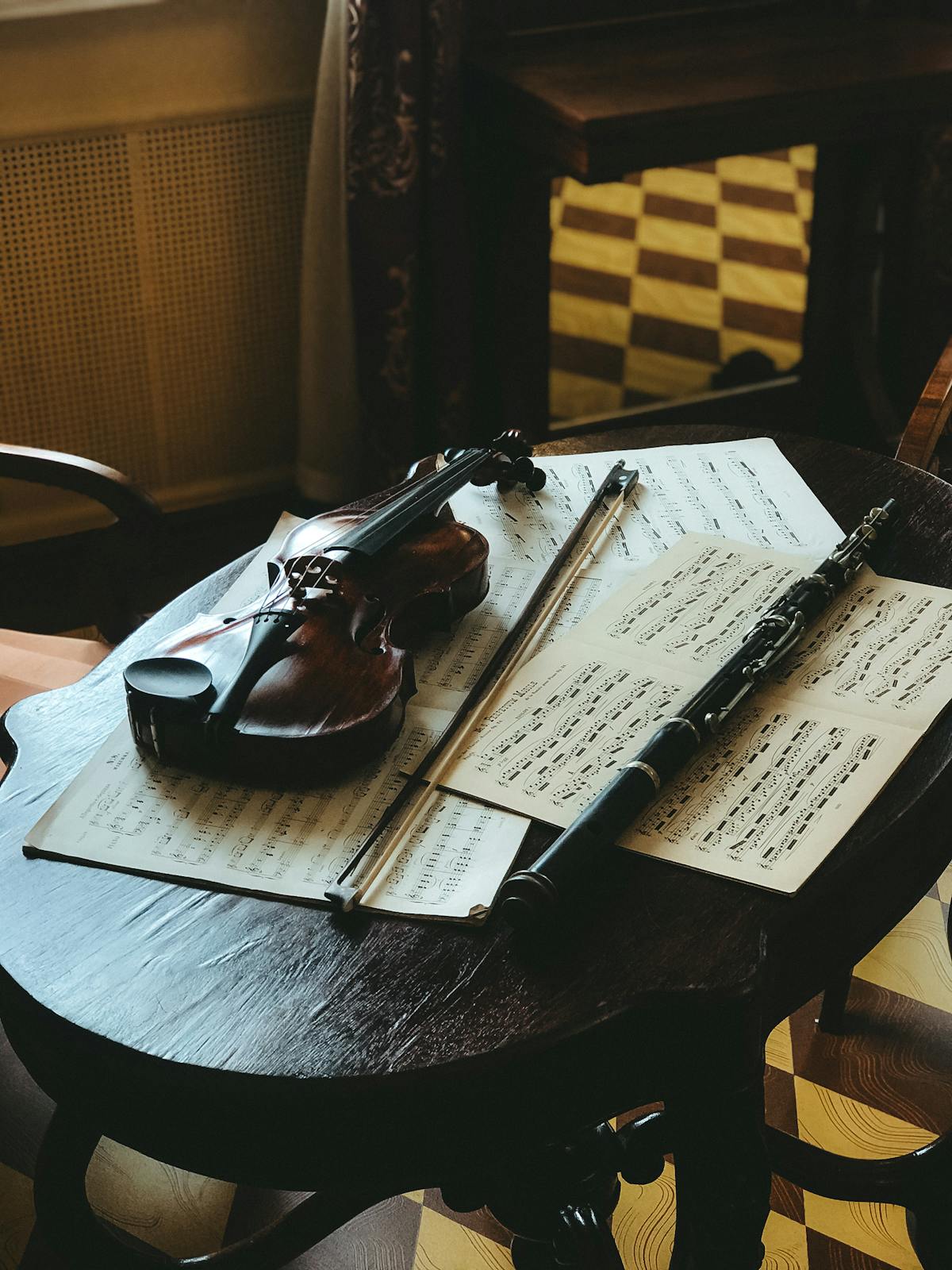
- Clarinet — A mainstay of school concert bands. Clarinettists are always in demand, and the instrument offers a clear path from beginner band through to advanced ensembles. The clarinet section is often one of the largest in a band, which means your child will be surrounded by peers learning the same instrument.
- Flute — Another popular band instrument with a strong social element. Flute sections tend to attract confident, sociable players. The sound is bright and carries well, which suits children who enjoy being heard.
- Trumpet and cornet — Bold, confident instruments for bold, confident children. Trumpet players are often the extroverts of the brass section. New Zealand has a particularly strong brass band tradition, which opens up community playing opportunities beyond school.
- Violin — The backbone of any orchestra. String ensembles and orchestras provide a wonderful collaborative environment, and violinists are always needed. If your child loves being part of something bigger than themselves, orchestra might be exactly right.
If your child's school runs a band or orchestra programme (many New Zealand schools do, typically from Year 5 or 6), joining that programme gives them an instant social group built around shared musical experience. Our guide to NZ school music programmes has more on how these work.
The Independent Spirit: Solo Instruments
Other children prefer working on their own. They're self-motivated, they enjoy focused solo activities, and they don't need the energy of a group to stay engaged. These children often thrive on instruments that work brilliantly as solo instruments — where they can sit down, practise, and hear a complete piece of music coming from their own two hands.
Instruments to consider:
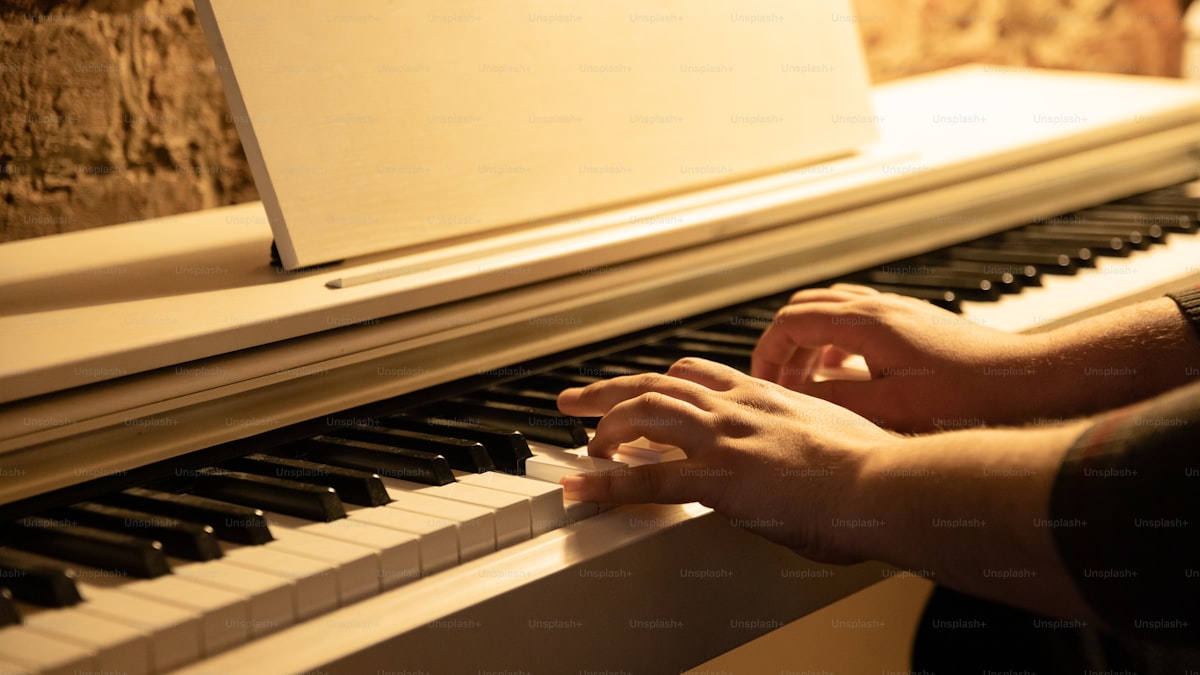
- Piano — The ultimate self-contained instrument. A pianist can play melody, harmony, and bass all at once. They don't need anyone else to make music that sounds complete. For independent, self-motivated children, piano is often a natural home. It also suits children who enjoy the satisfaction of solving puzzles — working out how to coordinate both hands independently has a similar appeal.
- Classical guitar — Like piano, the guitar is a complete harmonic instrument. A solo guitarist can play melodies over their own chord accompaniment. It suits reflective, thoughtful children who enjoy creating a world of sound on their own, and those drawn to specific genres — folk, classical, fingerstyle, or eventually electric guitar.
Independent doesn't mean antisocial, of course. Pianists and guitarists can absolutely play in ensembles, accompany other musicians, and join bands. But these instruments give self-motivated children the ability to make satisfying music entirely on their own, which can be a powerful motivator.
The Detail-Oriented Perfectionist: String Instruments
Some children are naturally meticulous. They notice small differences, they care about getting things exactly right, and they have the patience to work on something until it meets their standards. These children often flourish with string instruments, where precision and attention to detail are rewarded from the very beginning.
Instruments to consider:
- Violin — There are no frets, no keys, no buttons. Every note requires the player's finger to land in precisely the right spot on the fingerboard. Intonation (playing in tune) is a constant, active skill. Children who enjoy this level of precision — who are motivated by the challenge of getting something exactly right — often find violin deeply satisfying.
- Viola — Similar demands to violin, with a warmer, deeper tone. Viola players are famously in demand in school orchestras (there are never enough of them), which means your detail-oriented child will also be valued and needed. If your child plays violin and is looking for something slightly different, viola is a natural step. See our viola sizing guide for help getting the right fit.
- Cello — The cello combines the precision of unfretted strings with a rich, vocal tone that many find deeply expressive. Its seated playing position feels more natural to some children than the violin's under-the-chin hold. Cellists tend to be thoughtful, emotionally attuned players.
- Oboe — The most detail-oriented of the woodwind family. Oboe requires precise breath control, careful embouchure, and meticulous reed care. It's not for the faint-hearted, but for a patient, detail-driven child, it can be incredibly rewarding — and oboists are always in demand.
The High-Energy Child: Percussion and Brass
If your child has energy to burn, can't sit still, and approaches everything with enthusiasm and volume, certain instruments will channel that energy beautifully rather than fighting against it.
Instruments to consider:
- Drums and percussion — The obvious choice, and for good reason. Drumming is physical, rhythmic, and satisfying in a way that few other instruments match. It channels physical energy into musical expression. Percussion in a school setting also covers a wide range — snare drum, bass drum, cymbals, timpani, xylophone, glockenspiel — so there's always something new to learn. It requires developing coordination between all four limbs, which is a fantastic challenge for active children.
- Trumpet — Loud, bright, and commanding. Playing trumpet requires physical effort — good breath support, strong embouchure muscles, and real energy. Energetic children often love the power and volume that brass instruments offer. There's an immediate, visceral thrill to playing a trumpet that suits children who like to make an impact.
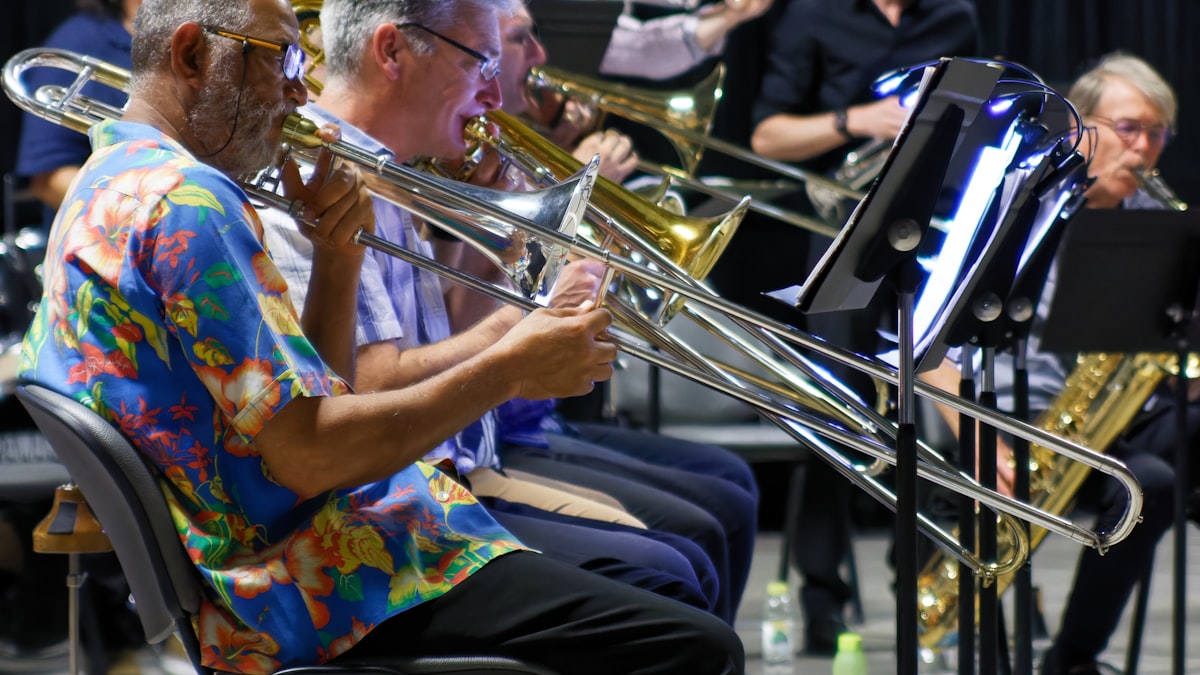
- Trombone — The slide mechanism is unique and appeals to children who enjoy physical, hands-on activities. It's also one of the louder instruments in the band, which energetic children tend to appreciate.
- Saxophone — Cool, versatile, and expressive. The saxophone has a certain swagger that appeals to outgoing children. It's also a relatively quick instrument to get a good sound from, which keeps energetic children engaged during those crucial early weeks.
The Creative and Emotional Child
Some children are deeply expressive — they feel things strongly, they're drawn to stories and emotions, and they communicate as much through feeling as through words. These children often respond to instruments that reward emotional expression and offer a wide range of musical colours.
Instruments to consider:
- Cello — Often described as the instrument closest to the human voice. Its range and tonal warmth allow for extraordinary emotional expression. Creative, emotionally sensitive children are often drawn to the cello's sound before they even try playing it.
- Piano — The sheer range of the piano — from thunderous bass chords to delicate high melodies — gives creative children an enormous palette to work with. As they progress, the piano's ability to convey complex emotions through dynamics, pedalling, and touch is almost limitless.
- Flute — The flute's breathy, singing quality appeals to children who are drawn to beauty and expressiveness. It rewards a sensitive touch and careful attention to tone colour.
- Voice — While not an instrument you hire, singing is worth mentioning for emotionally expressive children. Many children who sing also go on to learn an instrument, and the musical ear they develop through singing is invaluable.
A Word of Caution About Personality Matching
Everything above is based on general tendencies, and children have a wonderful habit of defying categories. The quiet, bookish child who turns out to be an incredible drummer. The hyperactive kid who discovers a deep love of patient, careful violin practice. The social butterfly who becomes a devoted solo pianist.
Personality matching is a useful starting point — especially when a child isn't sure what they want to try — but it should never override your child's own preference. If your introverted, detail-oriented child says "I want to play drums," take that seriously. Their excitement about the instrument will carry them further than any personality match ever could.
The beauty of renting is that it takes the pressure off this decision. If your child tries an instrument and it doesn't click, you haven't lost a significant investment. You simply return it and try something else. That freedom to explore is one of the most valuable things you can give a young musician.
Browse our full instrument catalogue to see what's available, or read more about choosing the right instrument for a broader look at the factors involved. And as always, if you'd like to talk it through, we're here to help.