Beginner's Guide to the Flute for NZ Kids
A practical guide to getting your child started on the flute in New Zealand — ideal starting age, what equipment they need, what progress looks like, and how to keep them motivated.
What Is the Flute?
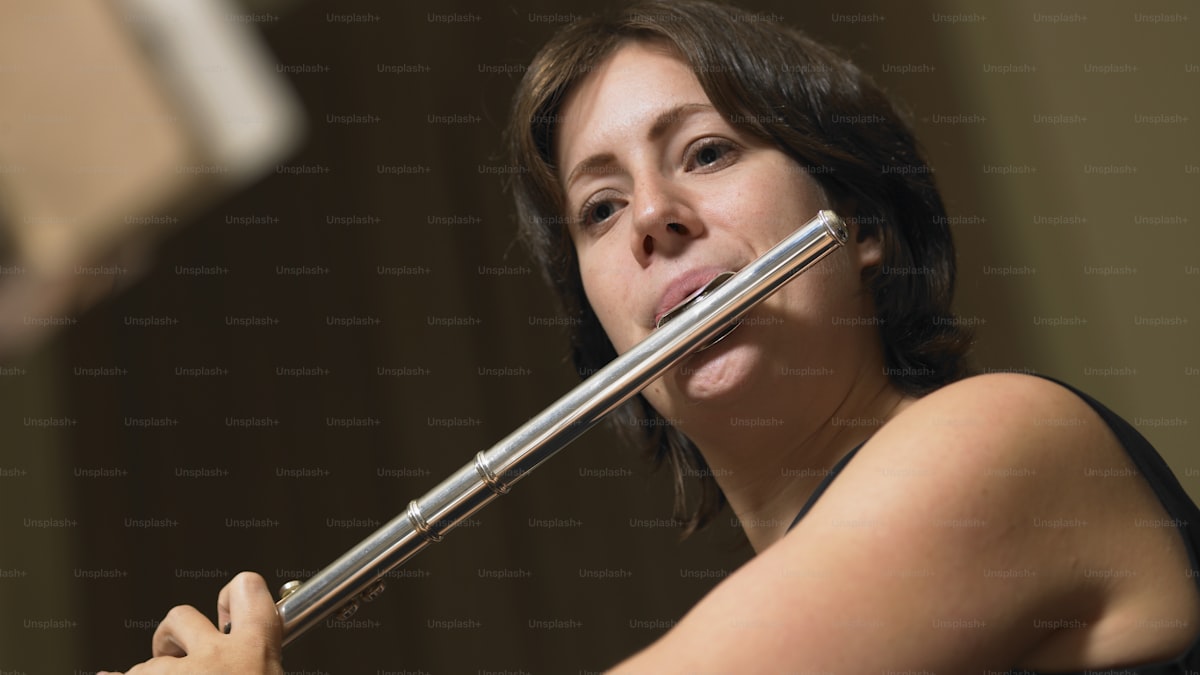
The flute is a member of the woodwind family, though it's made of metal — a quirk that surprises many parents. Unlike the clarinet or saxophone, it doesn't use a reed. Instead, the player blows across a hole in the mouthpiece (called the embouchure hole), similar to blowing across the top of a bottle. The result is a bright, clear, singing tone that carries beautifully.
The flute is one of the most popular instruments in New Zealand school bands and orchestras. It's lightweight, portable, and versatile — equally at home in classical orchestral music, concert band, Irish folk, jazz, and contemporary genres. Children often love its silvery appearance and the fact that they can play recognisable tunes relatively quickly.
What Age Can My Child Start?
Most children start the flute between ages eight and ten. The standard concert flute (also called a C flute) requires the player to hold the instrument out to the right side while covering tone holes with their fingers. This demands a certain arm length and hand span that younger children may not have yet.
However, there are options for younger starters. Curved headjoints bring the embouchure hole closer, reducing the reach required. Some flutes are designed specifically for smaller hands with offset keys and lighter mechanisms. Our flute sizing guide covers these options in detail.
If your child is under eight and keen on woodwind, the recorder is a brilliant stepping stone. The finger patterns and breath control skills transfer directly to the flute.
What Does My Child Need to Get Started?
A beginner flute setup is refreshingly simple:
- A student flute — Typically a closed-hole (plateau) model with an offset G key, which is easier for small hands.
- A cleaning rod and cloth — Used to swab moisture from inside the flute after each playing session.
- A case — Flute cases are compact and light, making the flute one of the easiest instruments to transport.
That's it. No reeds, no rosin, no shoulder rests. The flute is one of the most straightforward instruments in terms of accessories. When you rent through Prelude, the cleaning rod, cloth, and case are all included.
The First Few Months
The biggest early challenge with the flute is getting a sound out at all. Learning to direct the airstream correctly across the embouchure hole takes patience. Some children get a clear tone in their first lesson; others take a week or two. Neither pace is unusual — it's simply a matter of finding the right angle and air speed.
Once your child can produce a consistent sound, progress tends to be steady and satisfying. Within the first month, most beginners can play a few notes and simple exercises. By two to three months, they'll typically be playing short tunes and reading basic music notation. The flute's fingering system is logical and repeating, so once the first few notes click, new notes come more quickly.
Practice sessions of 15 to 20 minutes a day are ideal for beginners. The embouchure muscles (the small muscles around the mouth) need time to build strength, and over-practising in the early weeks can lead to fatigue and frustration.
A Note on Breath
The flute uses more air than many parents expect. Because the player blows across the embouchure hole rather than into a reed, a significant amount of air passes straight over the instrument without producing sound. This is normal and improves as your child develops their technique. Early on, they may feel lightheaded after extended playing — short breaks help.
Common Concerns
"Can my child's fingers reach all the keys?"
This is the most common physical concern, and it's valid. Standard flutes require a reasonable hand span. If your child is on the smaller side, a curved headjoint model or a flute with an offset G key and plateau keys makes the reach manageable. A teacher can assess this in a trial lesson, or check our flute sizing guide for measuring tips.
"Will they get frustrated trying to make a sound?"
Some children do find the first few days challenging. The trick is to keep early practice sessions short and celebrate small wins — even getting a breathy note is progress. A good teacher will use games and exercises to make this stage fun rather than discouraging. Once the embouchure clicks (and it will), the instrument opens up quickly.
"Is the flute loud enough for school band?"
Yes. The flute carries well in an ensemble and has a penetrating tone, especially in its upper register. It's a core instrument in every New Zealand school concert band and orchestra.
"My child played recorder — will that help?"
Absolutely. Recorder teaches breath control, finger coordination, and basic music reading — all of which transfer directly to the flute. The finger patterns aren't identical, but the underlying concepts are the same. Children who've played recorder typically pick up the flute faster than those who haven't.
How Much Does It Cost?
Flute rentals are competitively priced and sit in the mid-range for instrument hire. The flute has no ongoing reed costs, which makes it one of the more economical woodwind instruments to maintain. For specific pricing, see our instrument hire cost guide.
Getting Started
The flute is a fantastic choice for children who enjoy melody, want to play in school bands, and like the idea of an instrument they can easily carry. It rewards practice quickly and offers performance opportunities throughout school and beyond.
Take a look at our flute catalogue, read our flute sizing guide to check your child's fit, or browse our guide to choosing the right instrument. Our teacher directory can help you find a flute teacher in your area.