The Easiest Instruments for Kids to Learn
Wondering which instruments are the most beginner-friendly? Here's an honest look at the easiest instruments for children to pick up, with age guidance and practical tips.
What Makes an Instrument "Easy"?
Before we get into the list, it's worth being honest about what "easy" actually means. No instrument is truly easy to master — every single one takes years of dedicated practice to play at a high level. But some instruments are easier to get started on, which is what really matters when your child is a beginner.
An easy starting instrument generally means one where your child can produce a recognisable, pleasant sound within the first few lessons. That early sense of progress is crucial — it's what keeps them motivated to continue. An instrument that sounds terrible for the first six months (we're looking at you, beginner violin) demands more patience, which not every child has in the early stages.
Here are the factors that make an instrument more approachable for beginners:
- Quick sound production — Can they make a decent sound straight away?
- Simple initial technique — Are the basics intuitive or complex?
- Physical accessibility — Does it come in sizes to suit young children?
- Repertoire availability — Are there plenty of simple, recognisable tunes to learn early on?
Piano and Keyboard
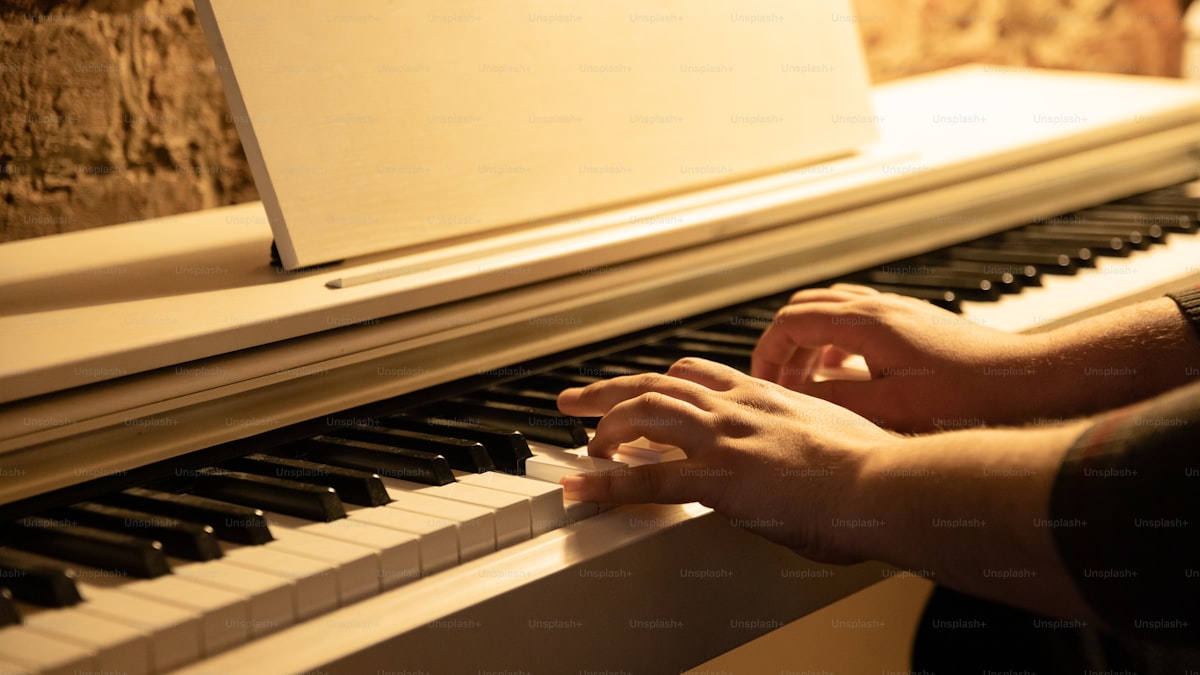
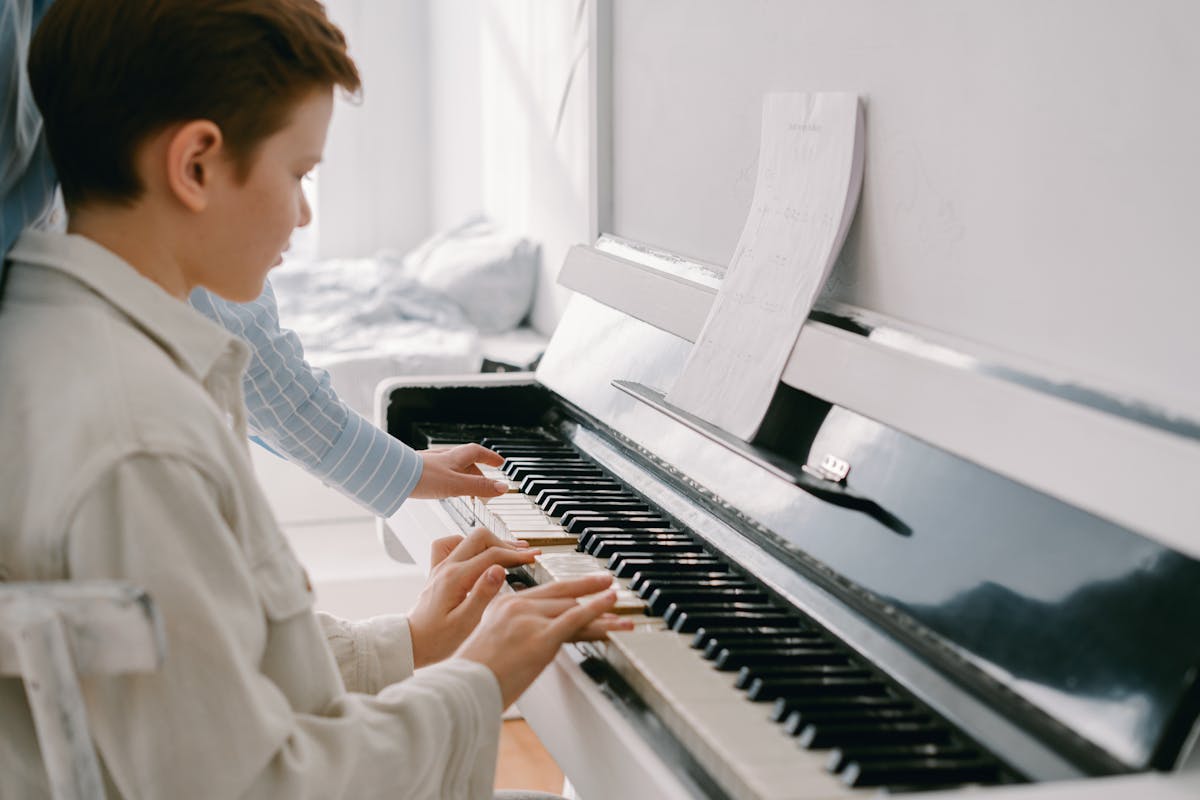
If we had to pick a single instrument as the easiest starting point, it would be the piano. Press a key, and you get a note — a perfectly in-tune, clear, pleasant note. There's no embouchure to develop, no bow technique to learn, no breath control to master. The relationship between action and sound is immediate and intuitive.
The keyboard layout is also a brilliant visual map of music theory. Notes go up as you move right, down as you move left. Sharps and flats are literally the black keys between the white ones. Children who start on piano tend to develop strong music reading and theory skills that transfer beautifully to any other instrument they pick up later.
Best starting age: From around 4 years old. There are no sizing issues — a four-year-old and a forty-year-old play the same keyboard.
The honest bit: Piano gets harder quickly. Reading two staves at once, coordinating both hands independently, and developing finger strength and dexterity all take real work. But the initial barrier to entry is about as low as it gets.
Ukulele
The ukulele has had a surge in popularity with young learners, and for good reason. It's small enough for little hands, it has only four strings (compared to a guitar's six), and the nylon strings are much gentler on small fingers than steel guitar strings. Children can learn a handful of basic chords within the first few weeks and be strumming along to real songs surprisingly quickly.
Best starting age: From around 5 years old, though some keen four-year-olds manage just fine.
The honest bit: The ukulele is limited in range and repertoire compared to guitar or piano. Many children use it as a stepping stone to guitar, which is a perfectly natural and effective progression. It's also worth noting that while a ukulele is inexpensive to buy, a very cheap one won't hold its tuning and will be frustrating to play. Quality still matters.
Recorder
The recorder gets a bad reputation, largely because every parent has endured the sound of thirty Year 3 students playing "Hot Cross Buns" at a school assembly. But as a starting instrument, it's genuinely excellent. It teaches breath control, finger coordination, and music reading — all skills that transfer directly to other woodwind instruments like flute, clarinet, and saxophone.
The soprano recorder is lightweight, easy to hold, and the basic fingerings are straightforward. Children can play simple melodies within a few lessons, which gives them that important early sense of achievement.
Best starting age: From around 5 years old. Many New Zealand primary schools introduce recorders in the classroom around Year 2 or 3.
The honest bit: The recorder's ease of getting started is also its reputation problem — because everyone can make a sound, the initial sound quality is often poor. A good teacher makes an enormous difference here. And the recorder is a real instrument with serious repertoire — it's not just a stepping stone, though it works brilliantly as one. If your child starts on recorder and later moves to flute or clarinet, they'll have a meaningful head start. Check out our guide on choosing the right instrument for your child for more on that transition.
Violin
Now, you might be surprised to see violin on a list of "easy" instruments. The violin is famously difficult — and it's true that producing a beautiful tone takes time. But in terms of accessibility for young children, the violin is exceptional. It comes in tiny fractional sizes from 1/16, meaning children as young as three or four can start. The Suzuki method, which is hugely popular in New Zealand, was specifically designed to teach violin to very young children through listening, imitation, and play.
The reason violin earns its spot here isn't that it's easy to sound good on — it isn't. It's that the barriers to starting are very low for young children, and the structured teaching methods available for beginners are outstanding.
Best starting age: From around 3-4 years old with an appropriate method (Suzuki or similar). More conventional approaches suit children from 5-6 onwards.
The honest bit: The violin will test your child's patience. The first few months can sound rough. Children who stick with it are rewarded with one of the most expressive and versatile instruments in existence, but it requires a supportive environment and ideally a teacher experienced with young beginners. If you're considering violin, our violin sizing guide will help you get the right size.
Drums and Percussion
Rhythm comes naturally to most children — they clap, they stomp, they bang on things. Drums and percussion instruments channel that natural inclination into something musical. A child can produce a satisfying sound on a drum from the very first hit, and basic rhythms can be learned within the first lesson.
Starting with a practice pad or simple snare drum is the most common entry point. From there, children can progress to a full drum kit or explore tuned percussion like xylophone and glockenspiel, which also develop melody and harmony skills.
Best starting age: Basic percussion from around 5 years old. Drum kit typically from 7-8, when coordination between all four limbs becomes more manageable.
The honest bit: Drums are loud. Very loud. If you live in a flat or terraced house, your neighbours will have opinions. Electronic drum kits with headphones can help, and practice pads are quiet enough for any living situation. Also, while basic rhythms come quickly, developing the coordination for complex patterns and the independence between hands and feet takes real dedication.
What About Guitar?
Guitar is probably the most popular instrument in the world, and many parents assume it's an easy starter. It can be — but it's worth knowing that the initial learning curve is steeper than most people expect. Pressing steel strings against frets hurts until calluses develop (usually a few weeks). Chord shapes require finger strength and dexterity. And unlike piano, where one press equals one note, guitar technique involves coordinating both hands from the very beginning.
That said, if your child is genuinely excited about guitar, that enthusiasm will carry them through the tricky first month. Guitars are available in 1/2 and 3/4 sizes for younger players, and starting on a classical guitar with nylon strings is gentler on young fingers.
Best starting age: From around 6-7 for most children, though some start earlier on ukulele first.
Age Matters More Than You Think
The "easiest" instrument for your child depends significantly on their age. A four-year-old has different physical capabilities than a nine-year-old. Here's a quick summary:
- Ages 3-5: Piano, violin (with Suzuki), cello, recorder
- Ages 5-7: All of the above, plus ukulele, guitar, basic percussion
- Ages 7-9: All of the above, plus flute, clarinet, trumpet/cornet, drum kit
- Ages 10+: Almost everything — including saxophone, trombone, oboe, and larger instruments
For more detail on age-appropriate choices, our guide on what age to start a musical instrument goes into much more depth.
The Most Important Thing
Here's what matters more than any "easiest instrument" list: your child's genuine interest. A motivated child will persevere through a difficult instrument. A disinterested child will give up on an easy one. If your child is drawn to the sound of a particular instrument, take that seriously — their enthusiasm is the single best predictor of success.
And remember, renting means your child can try an instrument without a huge financial commitment. If the recorder doesn't click but they light up when they hear a trumpet, you can switch. That flexibility is one of the best things about renting rather than buying.
Take a look at our instrument catalogue to see what's available, or get in touch if you'd like advice on which instrument might suit your child best.