Beginner's Guide to the Violin for NZ Kids
Everything you need to know about starting your child on the violin in New Zealand — what age to begin, what to expect in the first few months, sizing, costs, and how to set them up for success.
What Is the Violin?
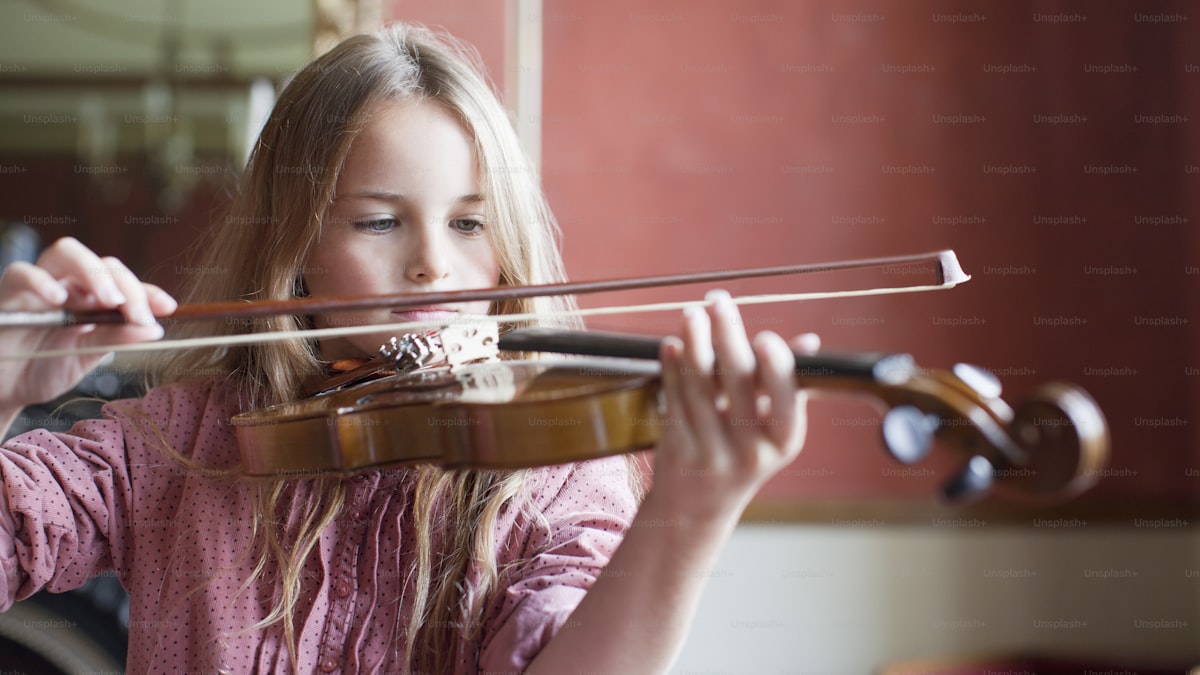
The violin is the smallest member of the string family and one of the most popular instruments for children to learn in New Zealand. It produces sound when a bow is drawn across its four strings, and it's capable of everything from soaring melodies in an orchestra to lively folk tunes and modern film soundtracks.
Kids tend to love the violin because it's expressive — once they get past the early stages, they can make it sing, whisper, or cry. It's also one of the most social instruments around. School orchestras, chamber groups, and youth ensembles all rely heavily on violinists, so your child will have plenty of opportunities to play with others.
What Age Can My Child Start?
The violin is one of the few instruments that genuinely suits very young children. Thanks to fractional sizing (violins come in sizes from 1/16 right up to full size), children as young as three or four can start learning. Most children begin between ages five and seven, which lines up well with developing fine motor skills and the ability to focus during a lesson.
There's no upper age limit either. Plenty of children pick up the violin at age ten or twelve, especially when they join a school orchestra programme. Starting later simply means they'll progress through the early stages more quickly because they have better coordination and concentration.
The most important physical consideration is arm length — this determines what size violin your child needs. Our violin sizing guide walks you through exactly how to measure and which size to choose.
What Does My Child Need to Get Started?
A complete violin setup for a beginner includes:
- A correctly sized violin — This is critical. A violin that's too large will be uncomfortable to hold, difficult to play, and can even cause strain in the neck, shoulder, and arm.
- A bow — Included with all rental violins.
- Rosin — A small block of tree resin that's applied to the bow hair so it grips the strings. Without it, the bow just slides silently.
- A case — To protect the instrument during transport to lessons and school.
- A shoulder rest — Most teachers recommend one. It helps your child hold the violin comfortably without tension.
When you rent a violin through Prelude, the instrument arrives with the bow, rosin, and a case included. A shoulder rest is a worthwhile addition — your child's teacher can recommend the right type.
The First Few Months
Let's be honest: the violin has a reputation for sounding rough in the early days, and that reputation is earned. Your child will spend the first few weeks learning how to hold the instrument and bow correctly, and the sounds they produce will be scratchy and uneven. This is completely normal.
By the end of the first month, most children can play simple open-string exercises and perhaps a very basic tune. By three months, they'll typically be playing recognisable melodies using two or three fingers on the strings. The tone will still be developing, but you'll hear clear progress.
Practice at this stage doesn't need to be long — 10 to 15 minutes a day is plenty for young beginners. Short, focused sessions are far more effective than long, frustrated ones. Many teachers use the Suzuki method for young children, which involves learning by ear first and incorporates parent involvement in practice.
When Will It Start Sounding Good?
Most parents notice a real shift around the six-month mark. The tone becomes warmer, the scratching mostly disappears, and your child starts playing pieces that are genuinely pleasant to listen to. It's a gradual process, but the improvement from month one to month six is remarkable.
Common Concerns
"It sounds terrible — is this normal?"
Yes. The violin is one of the harder instruments to get a good sound from initially, because the player controls everything — there are no frets, no keys, no buttons. Every note depends on precise finger placement and bow technique. The early scratching phase is temporary and universal. Every professional violinist went through it.
"What if they quit after a few months?"
This is the single biggest reason to rent rather than buy. A decent student violin costs several hundred dollars, and children go through multiple sizes as they grow. Renting means you're not financially committed if your child decides the violin isn't for them. And if they do stick with it, you simply keep renting or upgrade as they progress.
"How often will they need a bigger violin?"
It depends on your child's growth, but a rough guide: children who start at age four or five might go through three or four sizes before reaching a full-size violin around age eleven or twelve. Children who start later will need fewer size changes. Renting makes this painless — you swap to the next size when the time comes.
"Do I need to know anything about music?"
Not at all. A good teacher will handle the musical education. Your role is encouragement and helping establish a practice routine. You don't need to read music or play an instrument yourself.
How Much Does It Cost?
Renting a student violin is one of the more affordable instrument options. Plans vary depending on the quality tier and rental length, with longer commitments offering better value. Our instrument hire cost guide breaks down what to expect across different instruments and plan types.
Beyond the rental itself, ongoing costs are minimal — replacement strings occasionally (your teacher will advise), rosin every year or so, and the shoulder rest if you don't already have one. There are no reeds to replace or valves to oil.
Getting Started
The violin is a brilliant first instrument — it teaches discipline, develops the ear, and opens the door to orchestras, chamber music, and school ensembles across New Zealand. If your child is keen, the best time to start is now.
Browse our violin catalogue to see what's available, check our violin sizing guide to find the right size, or explore our guide to choosing the right instrument if you're still weighing up options. You can also visit our teacher directory to find a violin teacher near you.