Beginner's Guide to the Trumpet for NZ Kids
A parent's guide to starting the trumpet in New Zealand — ideal age to begin, what equipment is needed, realistic expectations for the first few months, and how to support your young brass player.
What Is the Trumpet?
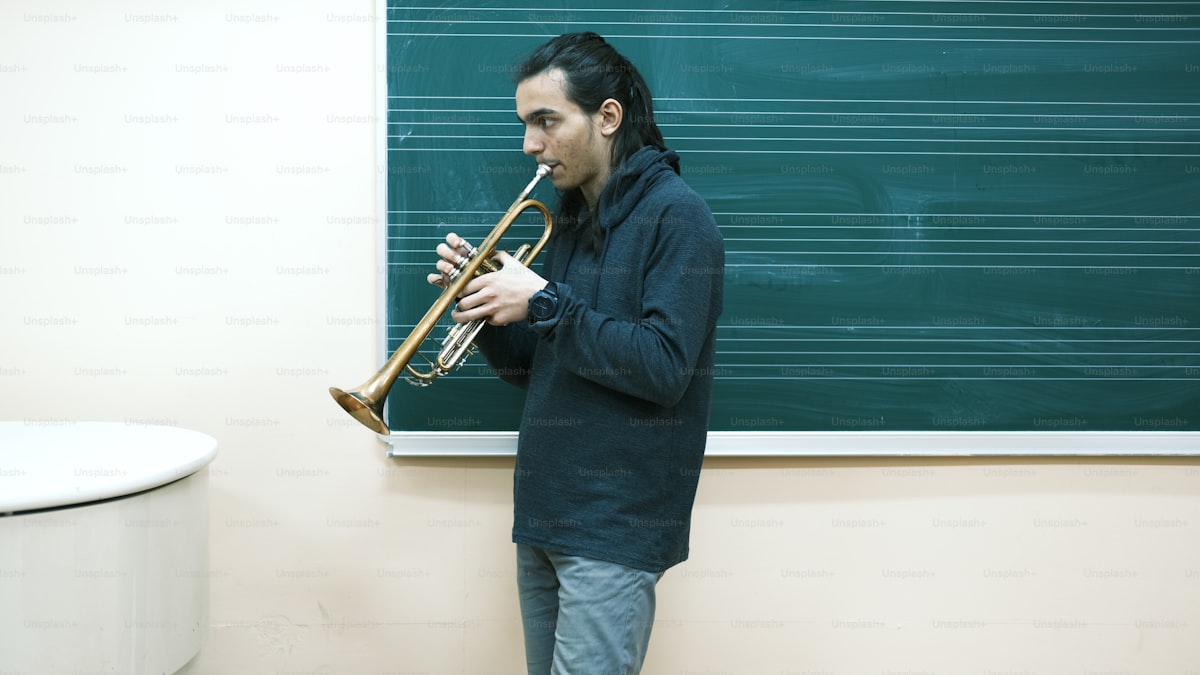
The trumpet is the highest-pitched member of the brass family and one of the most iconic instruments in music. Sound is produced by buzzing the lips into a cup-shaped mouthpiece — no reeds, no bows, just air and lip vibration. Despite having only three valves, the trumpet can play a full chromatic range, and its bright, powerful tone cuts through any ensemble.
The trumpet is everywhere in music. It leads the brass section in school concert bands, drives jazz combos, features in orchestras, and has been at the heart of everything from classical fanfares to Miles Davis albums. Children are often attracted by its commanding sound and the fact that it's compact enough to carry easily.
What Age Can My Child Start?
Most children start the trumpet between ages eight and eleven. The physical demands are quite specific: the player needs to create a "buzz" with their lips (called an embouchure) and maintain steady air pressure. This requires some muscular development that very young children haven't built yet.
Key readiness factors:
- Adult front teeth — Essential. The mouthpiece presses against the lips, which press against the teeth. Baby teeth or gaps make this uncomfortable and unreliable.
- Lip and facial muscle control — Your child needs enough strength to form and hold the embouchure. Most children develop this between ages eight and ten.
- Breath support — The trumpet requires a focused, steady airstream. This develops with practice but needs a baseline level to start.
The trumpet itself comes in only one size, so there are no fractional sizing decisions to make. If your child can physically hold the instrument and produce a buzz in the mouthpiece, they're ready to begin.
What Does My Child Need to Get Started?
- A Bb student trumpet — The standard beginner instrument. Student models are built to be durable and responsive.
- A mouthpiece — Included with student trumpets. Beginner mouthpieces have a wider rim for comfort.
- Valve oil — Applied to the three valves regularly to keep them moving smoothly.
- A cleaning kit — A mouthpiece brush and flexible cleaning snake for the tubing.
- A case — Trumpet cases are compact and easy to carry, which is a genuine perk for school transport.
Prelude trumpet rentals come with the mouthpiece, valve oil, and case. There are no reeds to buy, which keeps ongoing costs minimal — valve oil is inexpensive and lasts a long time.
The First Few Months
The trumpet's early learning curve is distinctive. The first hurdle is producing a sound at all. Before your child even picks up the instrument, their teacher will likely have them practise buzzing their lips — first freely, then into the mouthpiece. This may feel silly, but it's the foundation of all brass playing.
Once they can produce a steady buzz, the trumpet opens up. In the first month, most beginners learn three to five notes and can play simple exercises. By month two, they're typically playing short melodies and working on basic scales. By three months, many students can play recognisable tunes with reasonable tone and control.
The challenge with trumpet is that the embouchure tires quickly in the early stages. Your child's lip muscles are working in a way they've never worked before, and fatigue sets in fast. This is why practice sessions should be short — 10 to 15 minutes is plenty for the first couple of months. Pushing through lip fatigue doesn't build strength; it builds bad habits.
The Range Puzzle
Unlike piano or flute where each note has its own key or fingering, the trumpet uses only three valve combinations. The same fingering can produce multiple notes depending on embouchure tension and air speed. Learning to hear and target the right note within a valve combination is a skill that develops over the first year. It sounds complicated, but children learn it intuitively with guidance.
Common Concerns
"It's going to be really loud, isn't it?"
Honestly? Yes. The trumpet is one of the louder instruments, and there's no getting around it. A practice mute (a device that fits into the bell) can reduce the volume significantly for home practice. Many teachers recommend one from the start, and it's a worthwhile investment for household peace.
"What if they can't make a sound?"
Almost every child can learn to produce a buzz — it just takes some more time than others. A good teacher will work through this patiently, using exercises and games. If your child can blow a raspberry, they have the basic mechanics for trumpet. The refinement comes with practice.
"Is it bad for their teeth or lips?"
No. When played with correct technique, the trumpet doesn't damage teeth or lips. Excessive mouthpiece pressure is a bad habit that teachers actively correct. A child playing with good technique should never experience pain.
"Will they get to play in school groups?"
Absolutely. Trumpet is a core instrument in every NZ school concert band, and trumpeters are needed in jazz bands, brass ensembles, and community groups. There are strong brass band traditions throughout New Zealand, particularly in the South Island, that provide additional playing opportunities.
How Much Does It Cost?
Trumpet rentals are generally in the mid-range. The instrument has very low ongoing costs — no reeds, no strings, just valve oil and the occasional cleaning supply. This makes it one of the more economical instruments to maintain month to month. See our instrument hire cost guide for current pricing.
Getting Started
The trumpet builds confidence, discipline, and a strong musical ear. It's portable, affordable to maintain, and opens doors to bands, orchestras, and jazz groups throughout your child's school years and beyond.
Check out our trumpet catalogue, read our guide to choosing the right instrument, or find a brass teacher through our teacher directory.