Beginner's Guide to the Saxophone for NZ Kids
Everything you need to know about starting your child on the saxophone — which type to begin with, the best age to start, what gear they need, and what those exciting first few months really look like.
What Is the Saxophone?
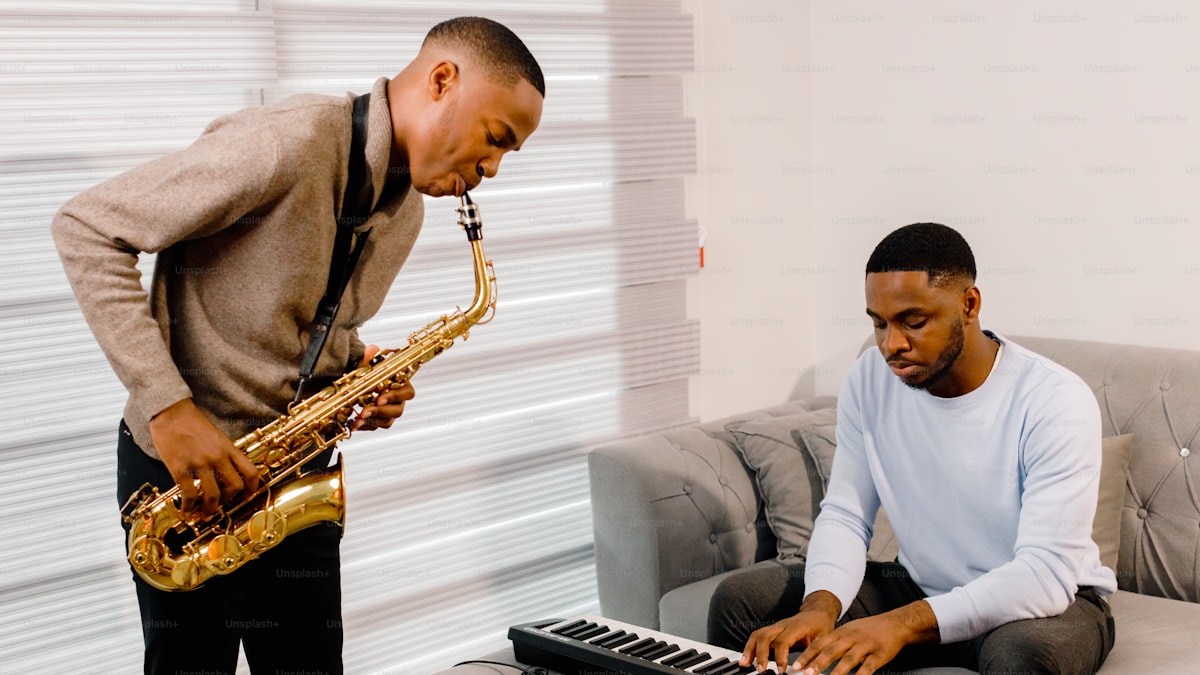
The saxophone is a brass-bodied, single-reed instrument — technically a woodwind, despite being made of metal. It was invented in the 1840s by Adolphe Sax, making it one of the younger instruments in the orchestra. Its sound is bold, warm, and immediately recognisable, crossing effortlessly from classical concert band to jazz, funk, pop, and rock.
If there's one instrument that consistently gets children excited, it's the saxophone. There's a certain cool factor to it that appeals to kids and teenagers alike. More importantly, it's one of the quicker instruments to get a satisfying sound from, which keeps motivation high in those critical early weeks.
What Age Can My Child Start?
The alto saxophone is the standard beginner instrument, and most children start between ages nine and twelve. The instrument has some weight and bulk to it, so your child needs to be big enough to hold it comfortably with a neck strap and reach all the keys.
Key physical considerations:
- Hand size — The keys are spaced for larger hands. Children with very small hands may struggle initially.
- Adult front teeth — Like the clarinet, the top teeth rest on the mouthpiece. Wobbly baby teeth are a problem.
- Lung capacity — The saxophone requires a steady airstream. This develops naturally, but very young children may find it tiring.
If your child is under nine and desperate to play sax, starting with the clarinet is a brilliant path. The reed technique and embouchure are nearly identical, so moving to saxophone later is a smooth transition.
What Does My Child Need to Get Started?
- An alto saxophone — The standard beginner saxophone. It's smaller and lighter than the tenor, and pitched in Eb. Almost every method book and school band part is written for alto first.
- A mouthpiece — Included with student instruments (typically a Yamaha 4C or similar).
- A neck strap — Supports the weight of the instrument so your child's hands are free to play.
- Reeds — Single cane reeds, similar to clarinet but larger. Beginners start on a strength 1.5 or 2.
- A cleaning swab and pad saver — For removing moisture after playing.
- Cork grease — For the mouthpiece cork.
- A case — Saxophone cases are larger than clarinet or flute cases, but still manageable for school transport.
Prelude saxophone rentals include the mouthpiece, neck strap, case, and cleaning accessories. Reeds are a consumable item you'll purchase separately — expect to spend around $30-40 on a box of ten that lasts a few months.
The First Few Months
Here's the good news: the saxophone is one of the most immediately rewarding instruments to start. Most children produce a recognisable sound in their very first lesson. It may be honky and a bit wild, but it's unmistakably saxophone — and that instant feedback is incredibly motivating.
The first month typically covers basic tone production, a handful of notes, and assembling and caring for the instrument. By month two, most students are playing simple tunes and basic scales. By three months, they're often playing along with band arrangements or method book pieces that sound genuinely musical.
The saxophone's fingering system is logical and consistent. Once your child learns the pattern for the first octave, the second octave uses the same fingerings with the addition of an octave key. This means new notes come relatively quickly compared to instruments with more complex fingering systems.
The Sound Journey
Early saxophone playing is enthusiastic but unrefined — expect a bold, occasionally squeaky sound. The squeaks happen when the reed isn't seated correctly or the embouchure slips, and they become less frequent within weeks. By six months, most students have a controlled, warm tone and genuine musical expression.
Common Concerns
"It's so loud — won't it be a problem at home?"
The saxophone is not a quiet instrument, especially in the early stages when volume control hasn't developed. If your home situation is noise-sensitive, practising during reasonable hours and using a closed room helps. Some families set up a dedicated practice space. The upside: your child will be heard clearly in any school band, which is deeply satisfying for them.
"Aren't saxophones expensive?"
Buying one outright is a significant investment, which is exactly why renting makes sense. A quality student alto saxophone costs well over a thousand dollars new. Renting lets your child play a good instrument without that upfront commitment, and you can return it if they decide to change direction.
"Should they start on alto or tenor?"
Almost always alto. The alto saxophone is smaller, lighter, and specifically designed as the entry point. Tenor saxophones are heavier and require more air — they suit older or more experienced players. If your child dreams of tenor sax, starting on alto first builds the foundation they'll need.
"How does it fit with school band?"
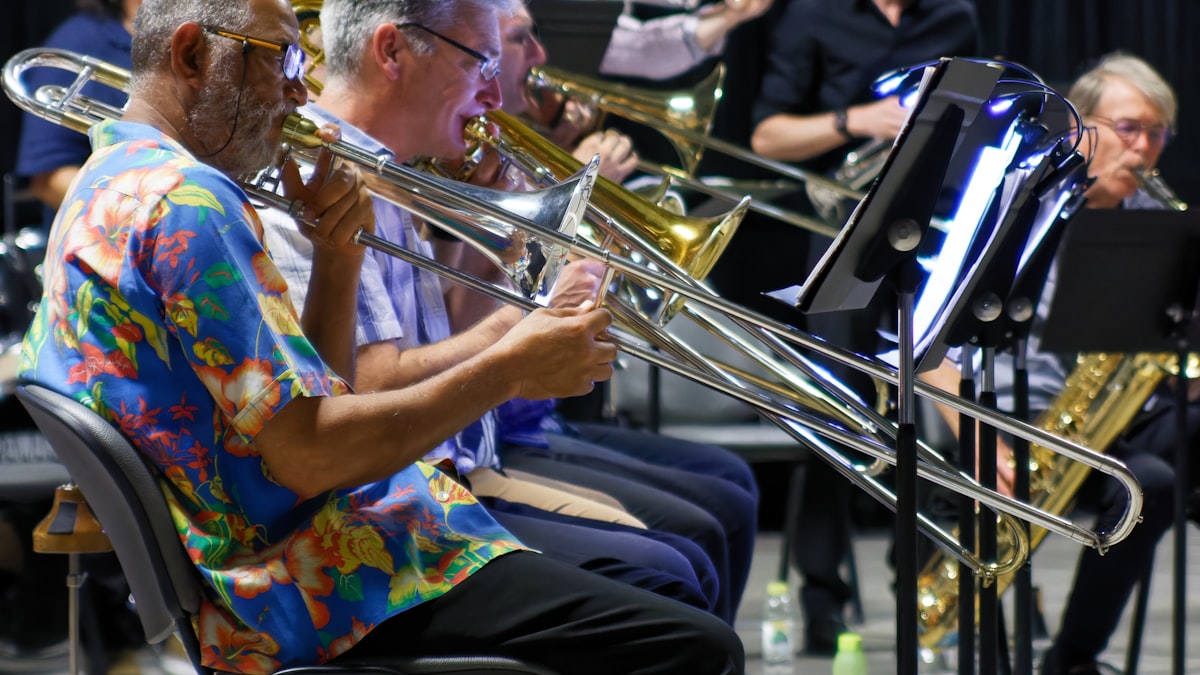
Perfectly. The alto saxophone is a core instrument in every New Zealand school concert band and is also featured in jazz bands. Saxophone parts are often melodic and interesting, which keeps students engaged. At the NCEA level, saxophone is a fully supported performance instrument.
How Much Does It Cost?
Saxophone rentals sit at the higher end compared to smaller instruments like flute or clarinet, reflecting the instrument's size and value. Reeds are an ongoing cost — budget around $50-80 per year. For a full breakdown of rental pricing, see our instrument hire cost guide.
Getting Started
The saxophone is hard to beat for sheer enjoyment. It sounds great early, it looks fantastic, and it opens doors to concert band, jazz, and beyond. If your child has their heart set on sax, they've chosen well.
Browse our saxophone catalogue to see what's available, or read our guide to choosing the right instrument if you're still weighing up options. You can also find a saxophone teacher through our teacher directory.