Beginner's Guide to Piano and Keyboard for NZ Kids
A practical guide to starting piano or keyboard in New Zealand — what type of instrument to choose, the right age to begin, what progress looks like, and honest cost guidance for families.
What Is Piano/Keyboard?
The piano is often considered the king of instruments, and for good reason. It's the only common instrument where you can play melody, harmony, and bass simultaneously. Press a key and you get a clear, in-tune note — no embouchure to develop, no bow to control, no reed to wrangle. This immediate response makes it one of the most satisfying instruments for beginners.
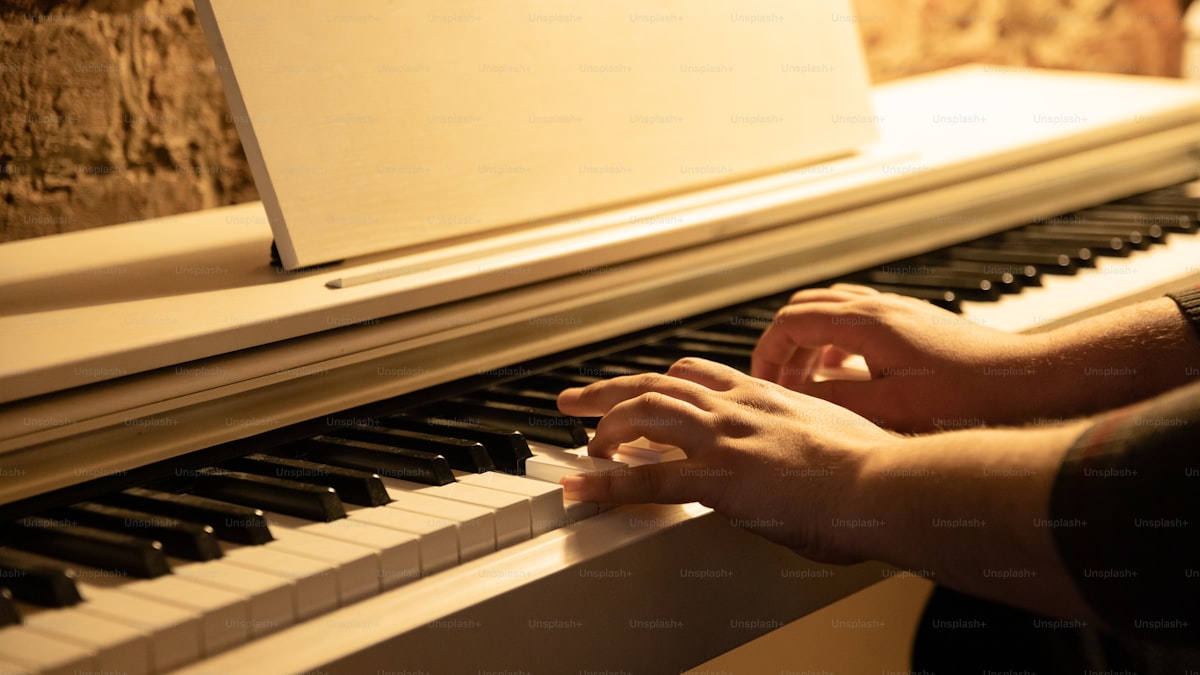
When we say "piano" in a rental context, we're usually talking about digital pianos — electronic instruments with weighted keys that replicate the feel and sound of an acoustic piano. These are practical for homes (they have volume control and headphone outputs), affordable compared to acoustic pianos, and don't need tuning. Full-size digital pianos have 88 weighted keys, while smaller keyboards may have 61 or 76 keys.
What Age Can My Child Start?
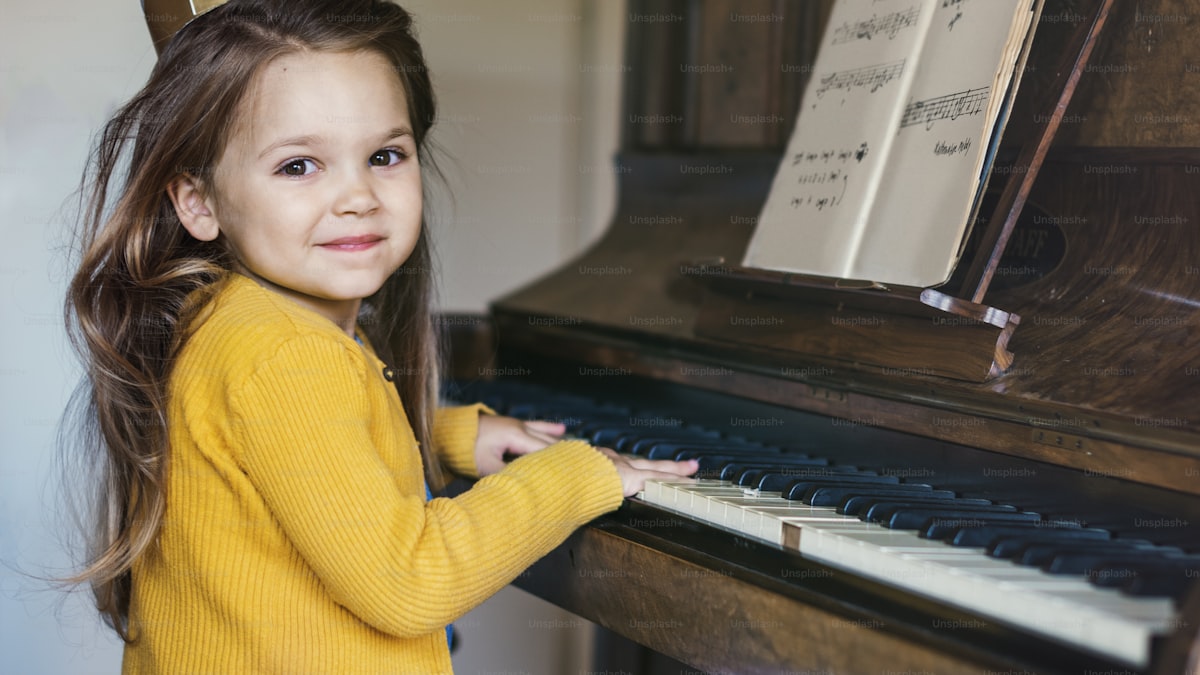
Piano is one of the earliest instruments a child can begin. Children as young as four or five can start with simple piano lessons, making it a popular first instrument. There are no physical barriers like hand span (young children simply play in a smaller range of the keyboard) and no sizing issues — the same instrument works for a five-year-old and an adult.
That said, very young children benefit from a playful, exploratory approach rather than formal technical training. Group classes like "music for littles" programmes often introduce keyboard skills alongside singing and rhythm. Private lessons typically work well from around age six, when children can focus for 20-30 minutes and begin reading notation.
Older beginners progress quickly. A ten-year-old starting piano will cover ground much faster than a five-year-old because they can read, process instructions more efficiently, and practise more independently.
What Does My Child Need to Get Started?
- A digital piano with weighted or semi-weighted keys — This is non-negotiable for serious learning. Unweighted (synth-action) keyboards don't develop proper finger strength or technique. Your child's teacher will insist on weighted keys, and they're right to.
- A sustain pedal — Used from early on to connect notes smoothly. Most digital pianos include one or have a socket for one.
- A stand — If the piano isn't a console/furniture style, a sturdy stand at the correct height is essential.
- An adjustable bench or stool — Correct seating height matters for posture and technique. A dining chair is a temporary compromise, but a proper piano bench is worth having.
- Headphones — One of the great advantages of digital piano. Your child can practise at any hour without disturbing the household.
Prelude digital piano rentals include the instrument with a sustain pedal. A stand may be included depending on the model — check the specific listing for details.
The First Few Months
Piano beginners see results fast. In the very first lesson, your child will play actual notes — possibly even a simple tune with one hand. By the end of the first month, most children can play short pieces with both hands, read basic notation on the treble clef, and may be starting to add the left hand in simple patterns.
By three months, they'll typically be playing easy pieces with both hands together, reading notes on both treble and bass clef, and may be working on their first simple scales. Progress on the piano feels tangible and visible, which is hugely motivating.
The piano's biggest advantage for beginners is that every note is laid out visually in a logical left-to-right pattern. Low notes are on the left, high notes on the right, and the pattern repeats. There's no intonation to worry about — every note is perfectly in tune. This lets your child focus entirely on rhythm, reading, and coordination.
The Two-Hands Challenge
The main hurdle in early piano learning is coordinating both hands independently. Each hand plays different notes with different rhythms, and the brain needs to manage both simultaneously. This feels impossible at first and then gradually becomes natural. It's one of the most valuable cognitive skills music offers — genuine independence of the two hands.
Practice
Young beginners should aim for 15-20 minutes of daily practice. Because the piano lets children hear their progress immediately, practice often feels more rewarding than with other instruments. The headphone option also means practice can happen without timing constraints around family life.
Common Concerns
"Do we need a proper piano or will a keyboard do?"
For learning, you need weighted keys. This is the key distinction. A full 88-key digital piano with weighted hammer action is ideal. A 61-key keyboard with semi-weighted keys can work for the first year or so, but most teachers will recommend upgrading to 88 weighted keys before long. Avoid unweighted keyboards entirely for serious study — they don't build the right technique.
"Digital pianos are big — do we have room?"
A digital piano takes up roughly the space of a desk. Portable models with a stand can be placed against a wall and take up minimal floor area. Console models are more furniture-like but also more stable. The space requirement is modest compared to, say, a drum kit.
"Is piano good for NCEA and school music?"
Excellent. Piano is one of the most commonly offered instruments for NCEA Music performance. It's also invaluable for music theory and composition — understanding harmony is much easier when you can see and play it on a keyboard. Many schools have pianos available for practice and performance.
"Can they switch to acoustic piano later?"
Absolutely. A quality digital piano with weighted keys develops the same technique as an acoustic. When your child is ready (and if you have the space and budget for an acoustic), the transition is straightforward.
How Much Does It Cost?
Digital piano rentals tend to be at the higher end of the rental range due to the size and value of the instrument. However, there are zero ongoing consumable costs — no strings, no reeds, no tuning. The instrument your child starts with can serve them for years without any additional expenses. Check our instrument hire cost guide for current pricing.
Getting Started
Piano is arguably the best foundation instrument in music. It teaches reading, harmony, rhythm, and coordination all at once, and the skills transfer to every other musical pursuit. Whether your child wants to play classical, pop, jazz, or just accompany their own singing, the piano is an outstanding starting point.
Browse our piano and keyboard catalogue, read our guide to choosing the right instrument, or find a piano teacher through our teacher directory.