Beginner's Guide to the Clarinet for NZ Kids
Your guide to starting the clarinet in New Zealand — from ideal starting age and what gear is needed, to realistic expectations for the first few months and practical cost guidance.
What Is the Clarinet?
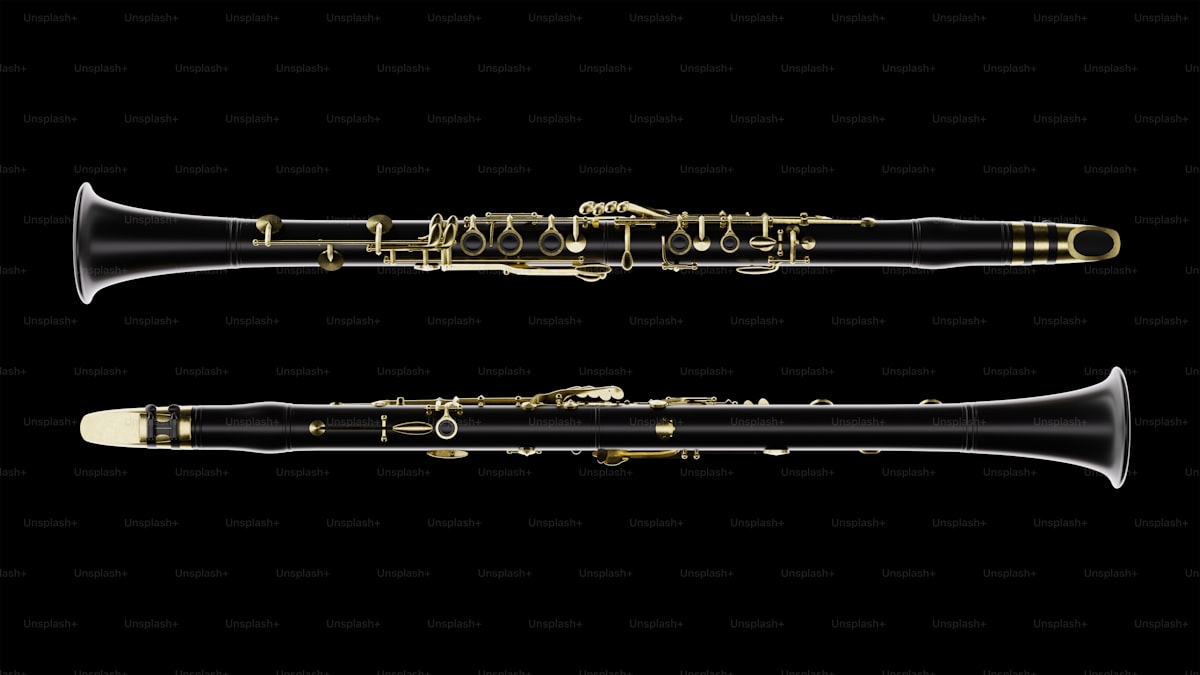
The clarinet is a woodwind instrument with a single reed — a thin piece of cane that vibrates when the player blows air between it and the mouthpiece. It has an enormous range (over three octaves), a warm and rich tone, and one of the most expressive sound palettes of any instrument. It can whisper at the bottom of its range and soar at the top.
In New Zealand schools, the Bb clarinet is the standard instrument. It's a staple of concert bands, and clarinettists are always needed. Beyond school, the clarinet has a strong tradition in classical music, jazz, klezmer, and folk — so your child is picking up an instrument with real versatility.
What Age Can My Child Start?
Most children begin the clarinet between ages nine and eleven. The instrument requires the player to cover tone holes and reach keys that are spaced for adult-sized hands, so smaller children may find it physically awkward. Your child also needs their adult front teeth — the top teeth rest directly on the mouthpiece, and wobbly baby teeth make this uncomfortable and unreliable.
Unlike the violin or cello, the clarinet doesn't come in fractional sizes. There are some junior-friendly models with adjusted key placement, but these are less common. If your child is eager to start woodwind earlier, the recorder is an excellent foundation — its fingering system is similar to the clarinet, and the breath control skills transfer directly.
What Does My Child Need to Get Started?
- A Bb student clarinet — The standard beginner instrument. Student models have a simpler key mechanism and more forgiving intonation than advanced instruments.
- A mouthpiece — Student clarinets come with a mouthpiece suited to beginners (typically a Yamaha 4C or equivalent).
- Reeds — The part that vibrates to produce the sound. Beginners typically start on a strength 1.5 or 2. Reeds are consumable — they wear out and need regular replacement.
- A reed guard — A small case that protects reeds from damage when not in use.
- A cleaning swab — Pulled through the instrument after each session to remove moisture.
- Cork grease — Applied to the cork joints so the clarinet assembles and disassembles smoothly.
- A case — Clarinets are compact and the case is easy to carry.
Prelude clarinet rentals include the mouthpiece, case, and essential accessories. You'll need to buy reeds separately as they're a consumable item — a box of ten student reeds costs around $25 to $35 and will last several months.
The First Few Months
The clarinet is more beginner-friendly than many parents expect. Because the mouthpiece and reed do much of the sound-production work, most children can get a clear tone in their first lesson. It won't be beautiful yet, but it's recognisably a clarinet — a huge psychological boost compared to instruments where getting any sound at all takes days.
The first few weeks focus on producing a steady tone, learning to assemble and care for the instrument, and playing a handful of notes. By the end of month one, most beginners can play simple scales and short melodies. By three months, they'll be reading music and playing basic pieces with some confidence.
One early challenge is the "register break" — the point where the clarinet's fingering system shifts to access higher notes. This usually comes up a few months in, and it takes practice to cross smoothly. Every clarinettist goes through this, and a good teacher will introduce it gradually.
Practice
Around 15 to 20 minutes a day is ideal for beginners. The embouchure (mouth position) needs time to strengthen, and the reed responds best when it's not overplayed. Consistent daily practice beats occasional long sessions every time.
Common Concerns
"How loud is it?"
The clarinet is moderate in volume — louder than a flute in its lower register, but softer than a trumpet or saxophone. It's rarely a noise complaint issue, though if your child is practising in a small flat, closing a door between rooms is sensible during the early stages.
"Reeds seem complicated — are they hard to deal with?"
Reeds are simpler than they seem. Your child's teacher will show them how to wet, attach, and care for reeds in the first lesson. The main thing to know is that reeds are disposable — they chip, crack, and wear out. Having two or three working reeds on rotation is standard practice. It becomes routine quickly.
"What if they've been playing recorder — does that help?"
Hugely. The recorder and clarinet share similar fingering concepts, and the breath control required for recorder translates well. Children who move to clarinet from recorder often progress faster in the early months.
"Is the clarinet boring compared to saxophone?"
Different, not boring. The clarinet has a subtler, warmer personality compared to the saxophone's bolder sound. In a school band, the clarinet section often carries the melody and the most complex parts. Many children who start on clarinet later add saxophone as a second instrument — the reed technique is almost identical, making the transition straightforward.
How Much Does It Cost?
Clarinet rentals are in the mid-range for woodwind instruments. The only notable ongoing cost is reeds, which run to roughly $50-80 per year depending on how often your child plays and how quickly they go through them. For full pricing details, visit our instrument hire cost guide.
Getting Started
The clarinet is a smart choice — it's portable, versatile, in constant demand for school bands, and more approachable for beginners than its reputation suggests. If your child is interested, they're picking a great instrument.
Browse our clarinet catalogue, read our guide to choosing the right instrument, or find a teacher through our teacher directory.