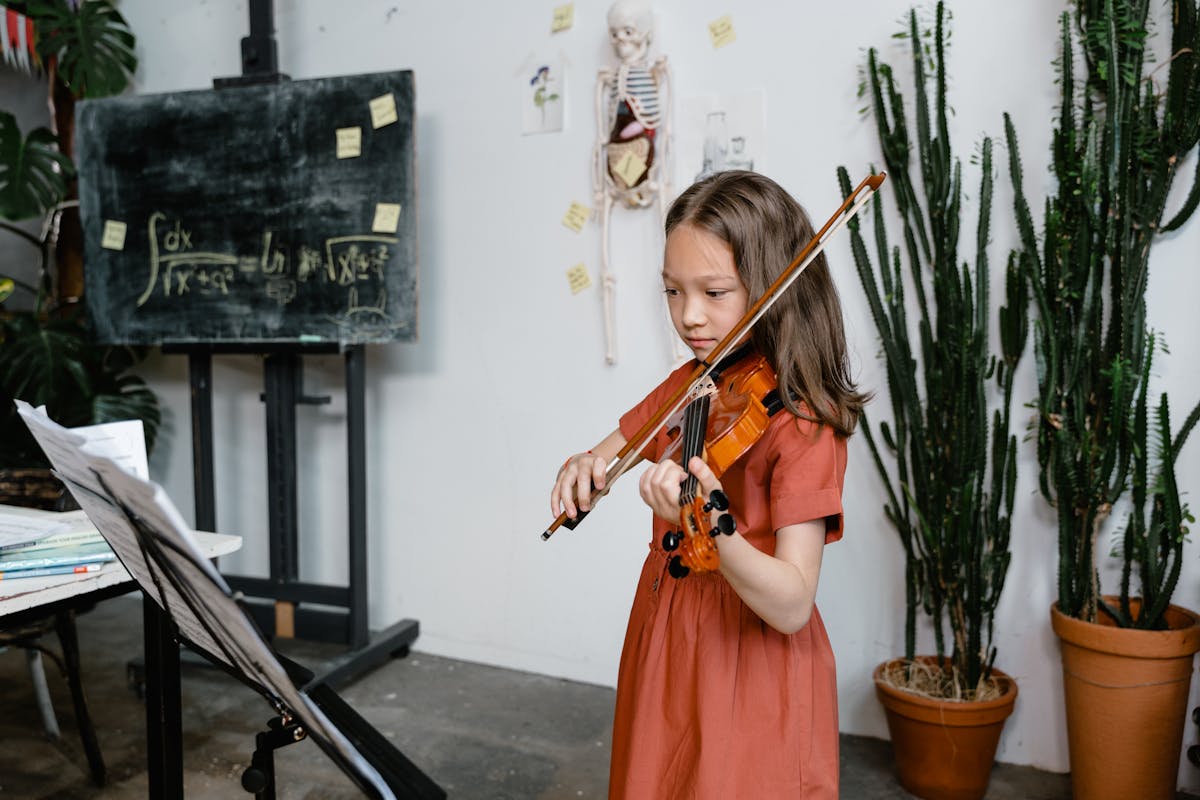
Back-to-School Music Checklist: Getting Your Child Ready for Term 1
A practical checklist for New Zealand parents to make sure your child's instrument, accessories, and music setup are ready to go when the school year starts in February.

Term 1 Is Coming — Is the Instrument Ready?
The New Zealand school year kicks off in late January or early February, and if your child plays a musical instrument, there's a bit of preparation involved beyond new stationery and school shoes. After six weeks of summer holidays, instruments may need attention, accessories might need replacing, and plans for the year need sorting out.
This checklist covers everything you need to think about so your child walks into their first music lesson of the year ready to play — not scrambling to catch up.
Instrument Condition Check
Before the school year starts, give the instrument a thorough once-over. You don't need to be a musician to spot most problems — you're looking for anything that seems off.
- Visual inspection: Look for any visible damage — dents, cracks, scratches, loose parts, or anything that wasn't there before the holidays. Check the case too: are the latches, zips, and handles all working?
- Play test: If your child can play the instrument, ask them to run through a few notes or a simple piece. Listen for buzzing, rattling, air leaks (woodwind), sticky keys, or notes that won't sound properly.
- Tuning: String instruments in particular can go out of tune over the holidays, and pegs may have slipped. If you're not confident tuning it yourself, your child's teacher can do this at the first lesson.
- Moving parts: Check that all keys, valves, slides, and tuning pegs move freely. Brass valves should go up and down smoothly. Woodwind keys should spring back when pressed. Violin pegs should hold their position.
- Bow condition (strings): Check the bow hair. If it's fraying badly, looks dirty or discoloured, or doesn't grip the strings properly even with fresh rosin, it may need a rehair.
If anything seems wrong, don't wait until the first week of school to deal with it. Get in touch early — it's much easier to sort out instrument issues before the term-time rush begins.
Accessories and Supplies
Check that your child has everything they need for their instrument, and replace anything that's worn out or used up over the year:
All Instruments
- Cleaning cloth (soft, lint-free)
- A working music stand (for home practice)
- A pencil — yes, a pencil. Musicians need to mark up their sheet music, and a pencil lives in the instrument case.
String Instruments
- Rosin (check it hasn't cracked or dried out over summer)
- Spare set of strings (strings break at the worst possible moments)
- A soft cloth for wiping rosin dust off the instrument after playing
- Shoulder rest (violin/viola) — check it still fits if your child has grown
Woodwind Instruments
- Reeds — if your child plays clarinet, saxophone, oboe, or bassoon, check the reed supply. Reeds wear out and should be replaced regularly. Start the year with at least three working reeds.
- Swab or pull-through for cleaning the inside of the instrument after playing
- Cork grease for the tenon joints
Brass Instruments
- Valve oil (trumpet, cornet, French horn) or slide cream (trombone)
- Mouthpiece brush
- Cleaning cloth for the exterior
Has Your Child Outgrown the Instrument?
Children grow over summer. If your child plays a fractional-size instrument — particularly violin, viola, or cello — check whether they've outgrown it. For violins, you can follow the arm-length measurement method in our violin sizing guide.
Signs that it's time to size up:
- Their arm is fully extended when reaching the scroll (strings), with no bend in the elbow
- They seem physically cramped while playing
- Their teacher mentioned sizing up before the holidays
If you're renting, sizing up is straightforward — you simply swap to the next size. If you need to arrange this, do it before term starts so your child has the right instrument from day one. Check our range to see what's available.
Teacher and Lesson Arrangements
The start of the school year is the time to confirm lesson arrangements for the year ahead:
- Confirm with the teacher: If your child has a private or itinerant teacher, get in touch before term starts to confirm lesson times, fees, and any changes for the new year.
- School music programme: Check whether your child's school is running a band, orchestra, or ensemble programme this year. Some schools send information out before the year begins; others announce it in the first week. If in doubt, email the school's music coordinator or head of department.
- New students: If your child is starting at a new school (particularly intermediate or secondary), find out what music opportunities are available and when sign-ups happen. Many school bands hold auditions or intake sessions in the first few weeks of term.
- Finding a teacher: If your child is starting a new instrument or doesn't have a teacher yet, February is a good time to look. Ask other parents, check with your child's school, or contact local music schools. Teachers' schedules fill up quickly at the start of the year, so don't leave it too late.
Setting Up for Practice at Home
A good practice setup at home makes a noticeable difference to your child's progress — and their willingness to practise in the first place.
- Dedicated practice space: It doesn't need to be a separate room. A corner of the lounge or their bedroom is fine, as long as it's relatively quiet and has enough space to set up a music stand without bumping into furniture.
- Music stand: A proper music stand at the right height encourages good posture and makes reading music much easier than propping a book on a desk or bed. If your child is practising regularly, a stand is a worthwhile investment.
- Practice schedule: Before the term-time routine kicks in, sit down with your child and work out when practice will happen. Short daily sessions (10–20 minutes for younger children, 20–30 for older students) are far more effective than one long session at the weekend. Build it into the daily routine — before homework, after dinner, whatever works for your family.
- Practice notebook or journal: Some teachers provide these; others expect families to get their own. A simple notebook where your child (or their teacher) writes down what to practise each week helps keep sessions focused and productive.
Planning the Year Ahead
If your child is working through graded exams with ABRSM, Trinity College London, or NZMEB, the start of the year is a good time to plan the exam calendar. Sessions typically happen in specific terms, and your child's teacher will advise on which session to aim for. For more detail on how exams work, see our guide to music exams in New Zealand.
Other things to think about for the year:
- Concerts and performances: School concerts, eisteddfods, and community performances are wonderful motivation. Find out what's coming up and mark the dates.
- Holiday programmes: Some music schools and organisations run holiday music programmes during the school breaks. These can be brilliant for keeping momentum going and meeting other young musicians.
- Rental plan review: If you're renting an instrument month-to-month, consider whether a longer-term plan might make more sense now that you know your child is continuing. Longer plans can save up to 40% compared to monthly rates.
The Quick-Reference Checklist
Here's everything in one place:
- Inspect instrument for damage or issues
- Play-test for buzzing, air leaks, or sticky keys
- Check and replace reeds, strings, rosin, valve oil as needed
- Confirm instrument sizing (has your child grown?)
- Restock cleaning supplies and accessories
- Confirm teacher and lesson schedule for the year
- Check school band/orchestra sign-up dates
- Set up a practice space at home
- Agree a daily practice routine
- Get a practice notebook
- Review rental plan and consider upgrading term length
- Mark exam and performance dates in the family calendar
Getting organised before the year starts means your child can focus on what actually matters: making music. If you need to arrange a new instrument, swap sizes, or stock up on accessories, browse our catalogue or get in touch — we're here to help you start the year right.